Today marks a significant anniversary from the second world war.
It is the 80th Anniversary of the D Day landings and today we remember all those who helped to create peace in Europe all those years ago. The Second World War started in 1939. Britain was at war with Germany. D-Day was Tuesday 6th June 1944. By this time, Britain had been at war with Germany for nearly 5 years and many people had died. By now, most of Europe had been taken over by Hitler’s army, including France. In 1944, the Prime Minister of Britain, Winston Churchill, and the American Commander, General Eisenhower, knew that it was time to try to liberate (free) those countries in Europe that had been invaded by Hitler’s forces. For months, many people worked in secret making plans so huge numbers of troops could land on the beaches in France. Normandy was chosen as the place where the Allied forces would invade France. Before the troops landed on the beaches, paratroopers were dropped from aeroplanes behind enemy lines. They were parachuted in at night. Planes also bombed targets on the ground. Just before the landings started, ships in the English Channel began firing at German army guns and defences. Early in the morning, thousands of ships arrived and soldiers from Britain, Canada, America and France landed on the beaches in a part of France called Normandy. The beaches were given special code names. These were Utah, Omaha, Gold, Juno and Sword. More soldiers arrived later in the day. Some soldiers put up huge barrage balloons above the beaches. These giant balloons were filled with gas and helped to protect the army from being attacked by enemy aircraft. Just after D-Day, nurses also landed on the beaches to help wounded soldiers in the hospitals in France. After fierce fighting, the Allies began to push the German army back and to take more land in France and other countries. After D-Day, the fighting still went on for many months and thousands of people died, but, D-Day played an important part in helping the Allies win the Second World War. On June 6th each year, we remember the efforts and sacrifices made by so many people on D-Day and the days that followed to bring peace to Europe. Find out more using these links. https://www.bbc.co.uk/teach/class-clips-video/articles/zf49rj6 https://kids.britannica.com/kids/article/D-Day/476249
0 Comments
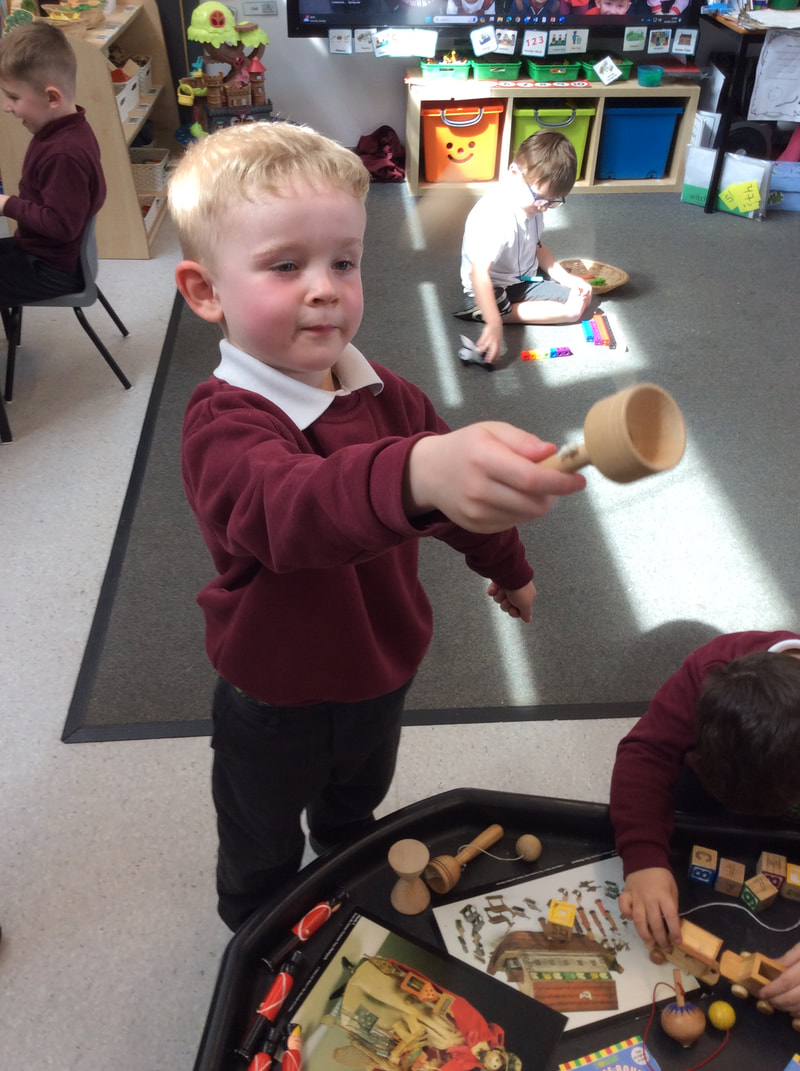
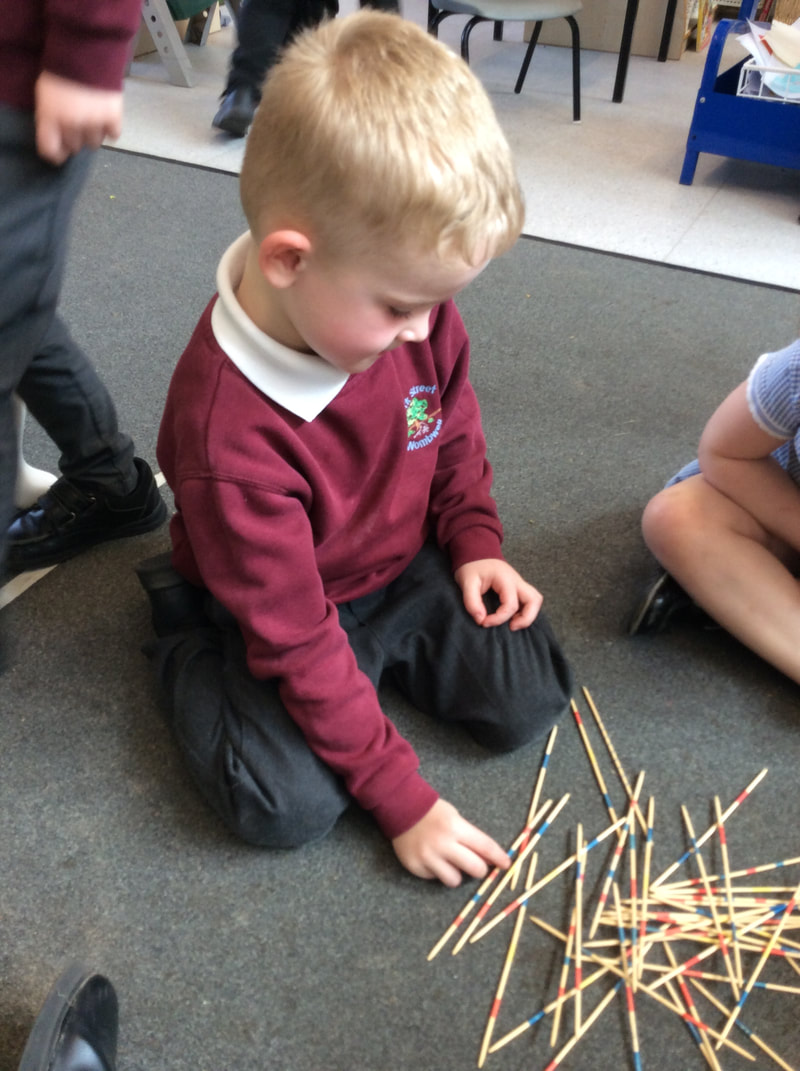
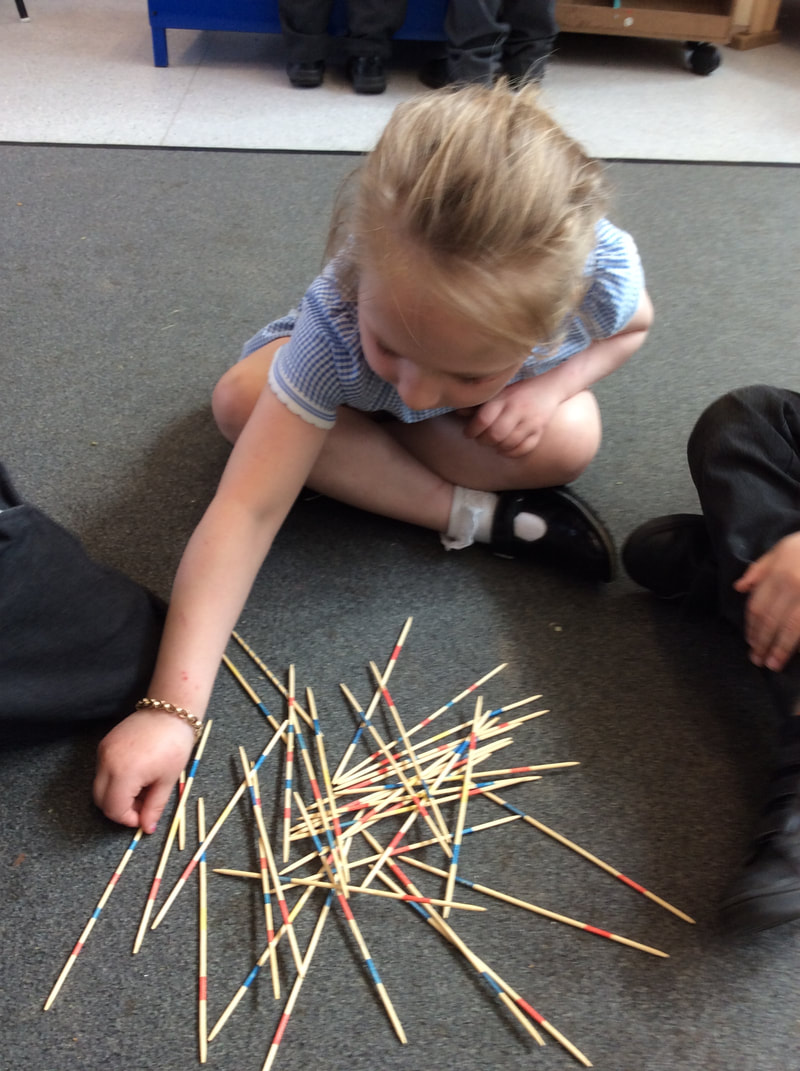
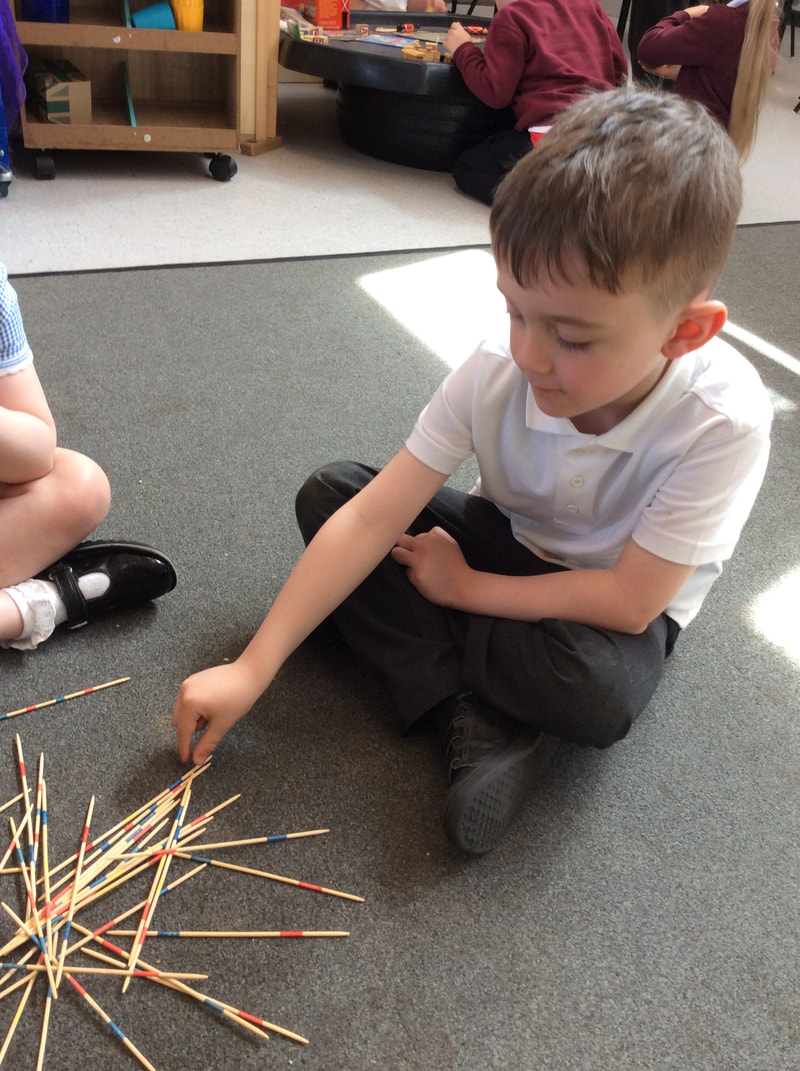
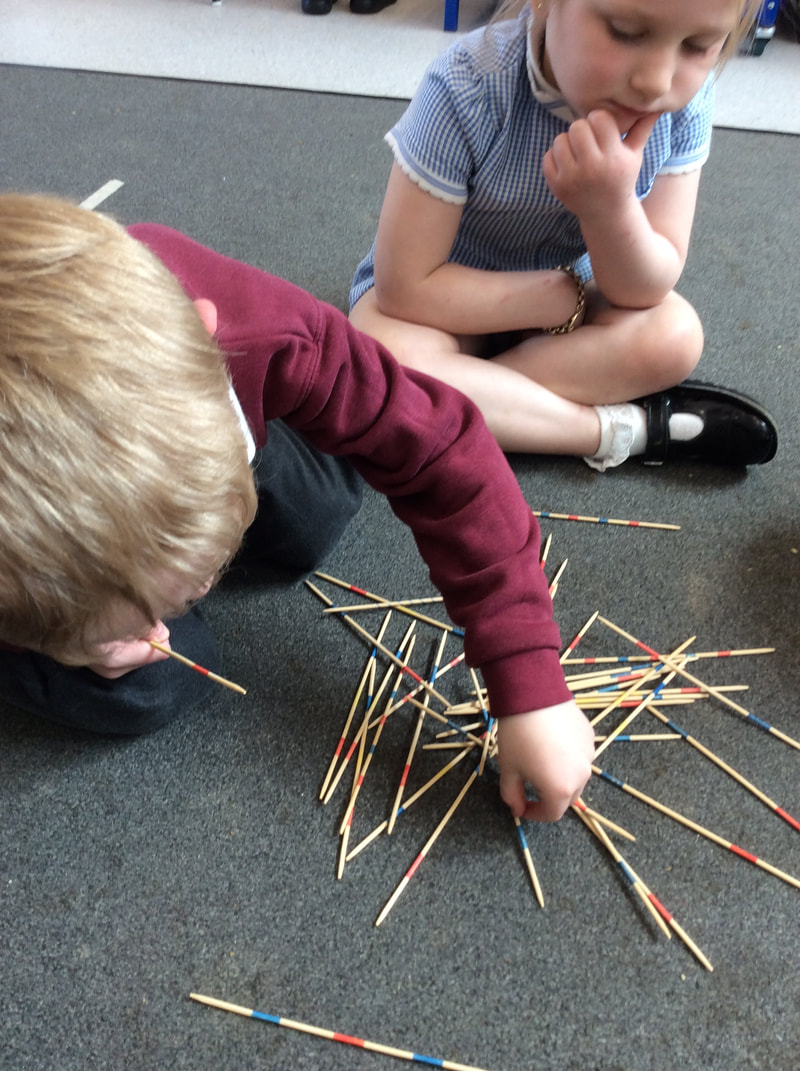
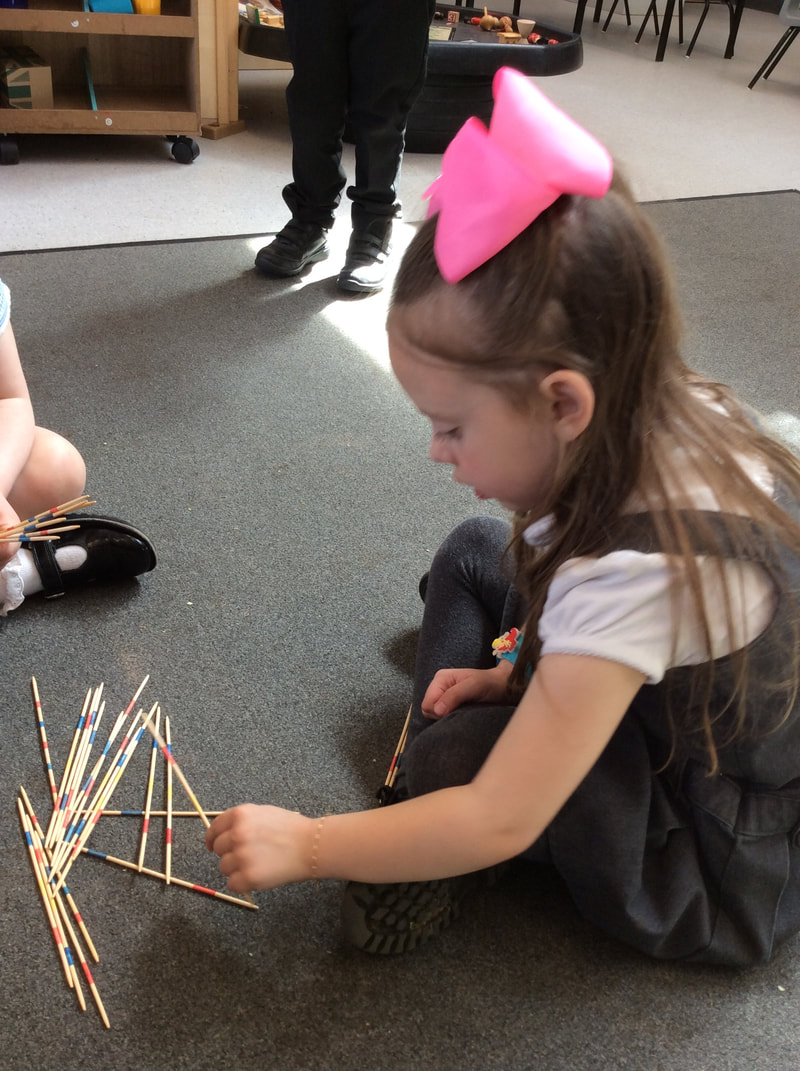
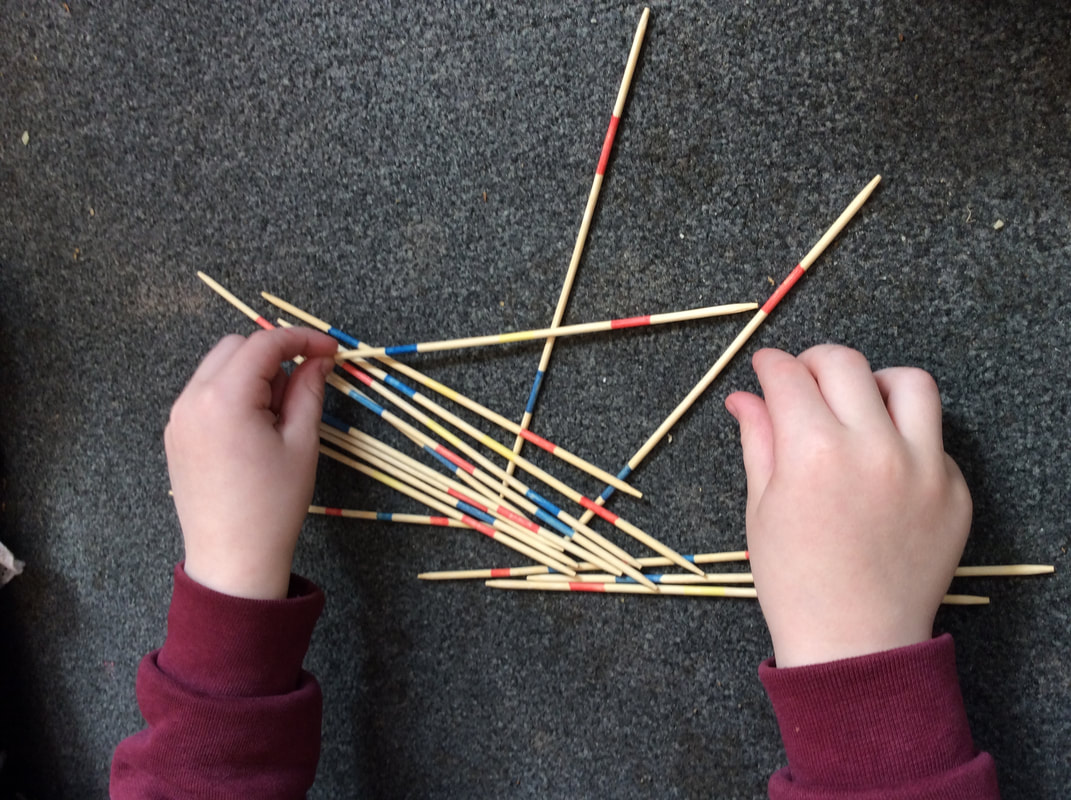
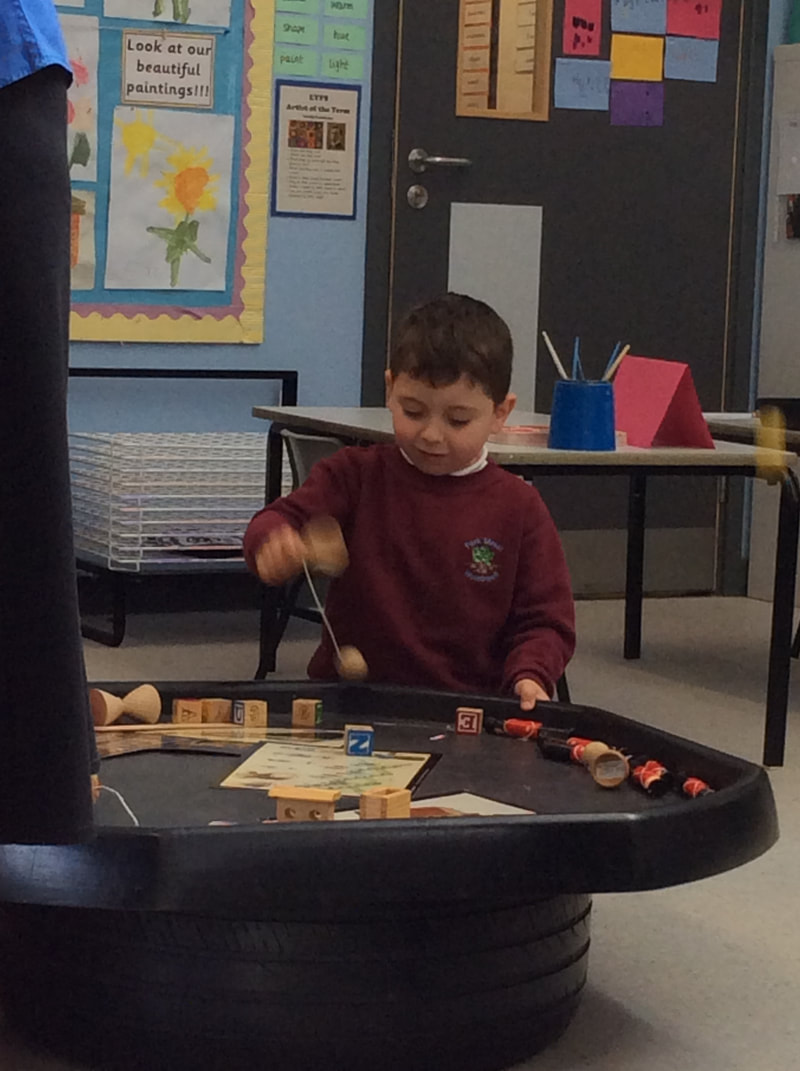
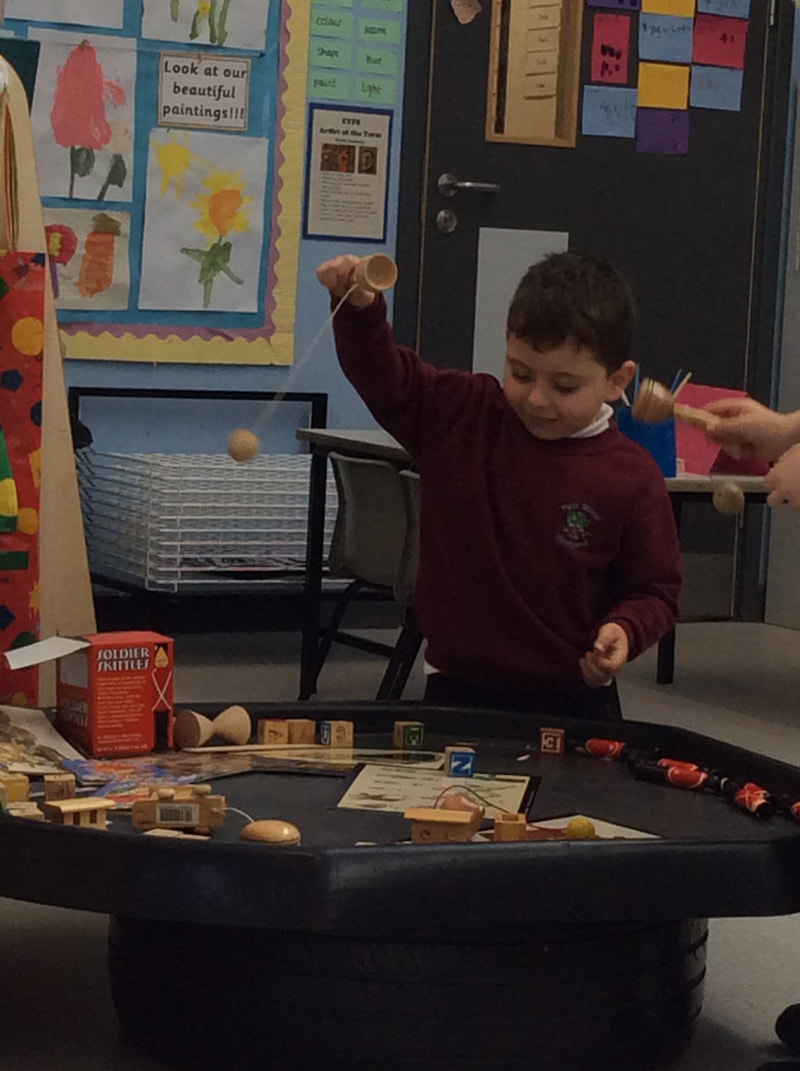
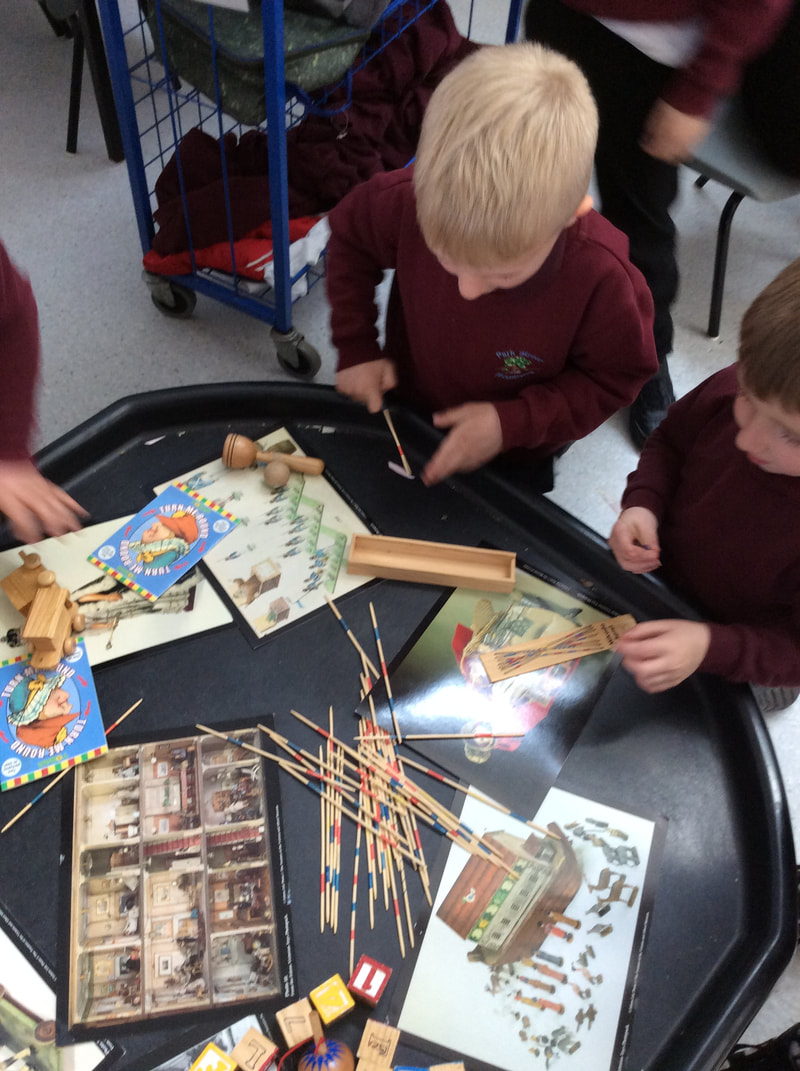
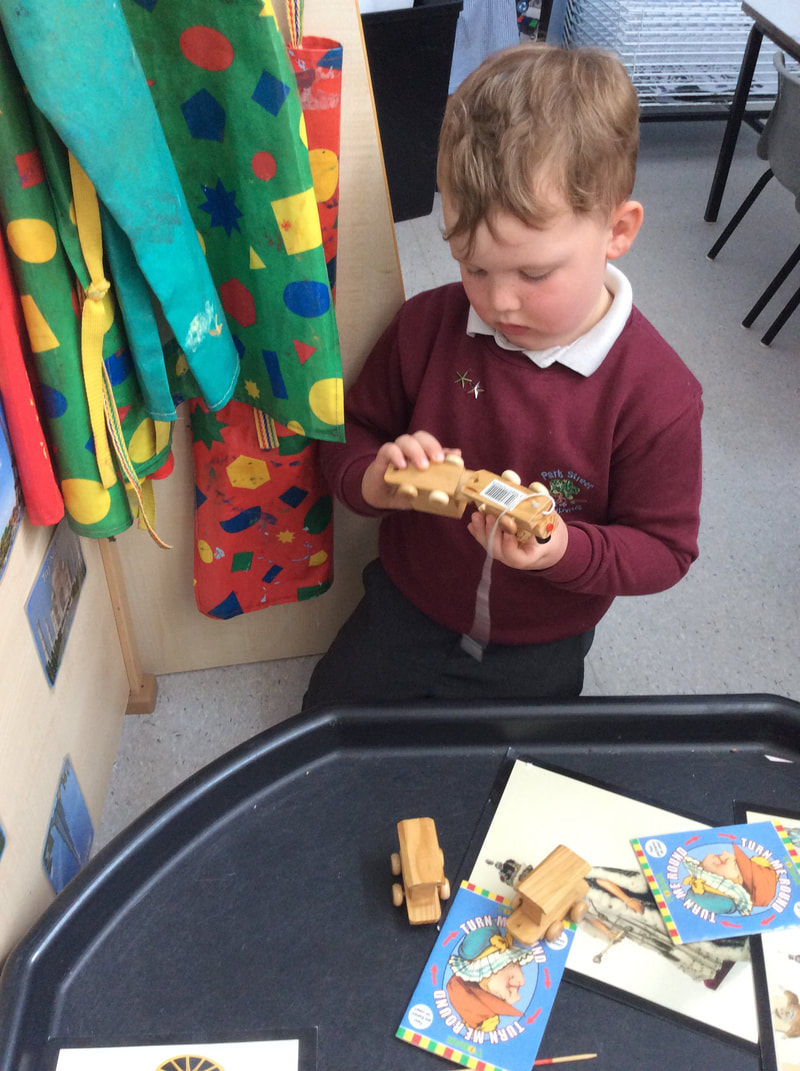
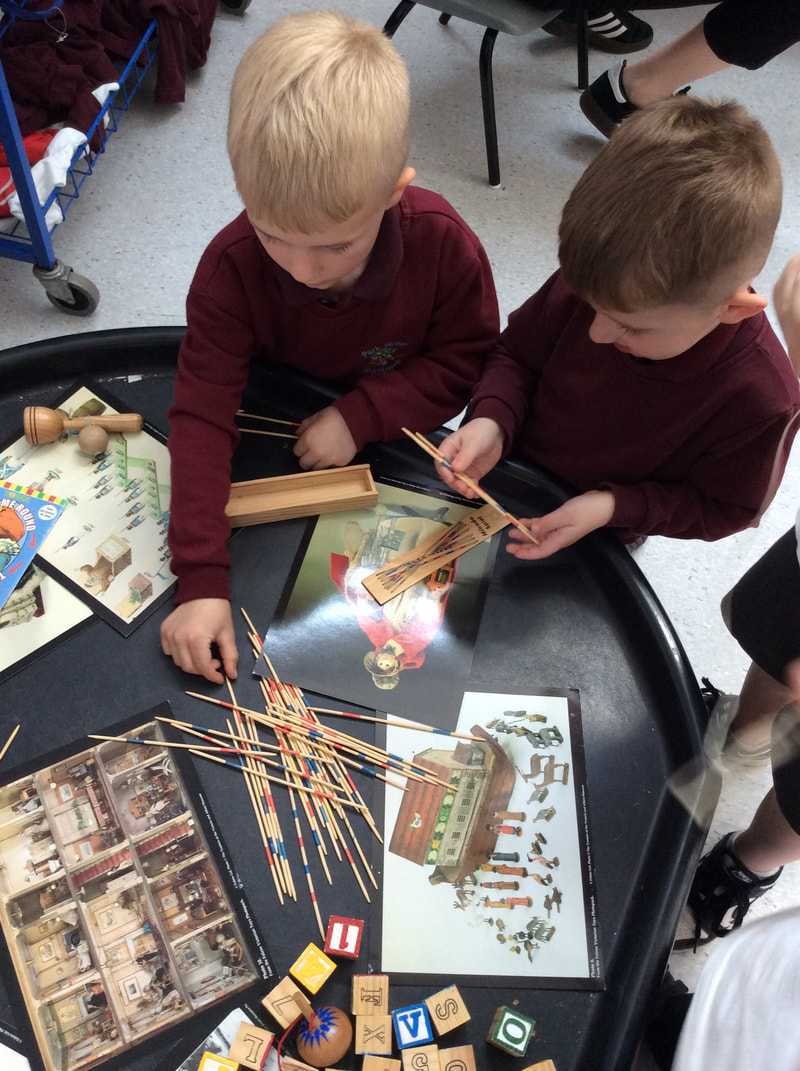
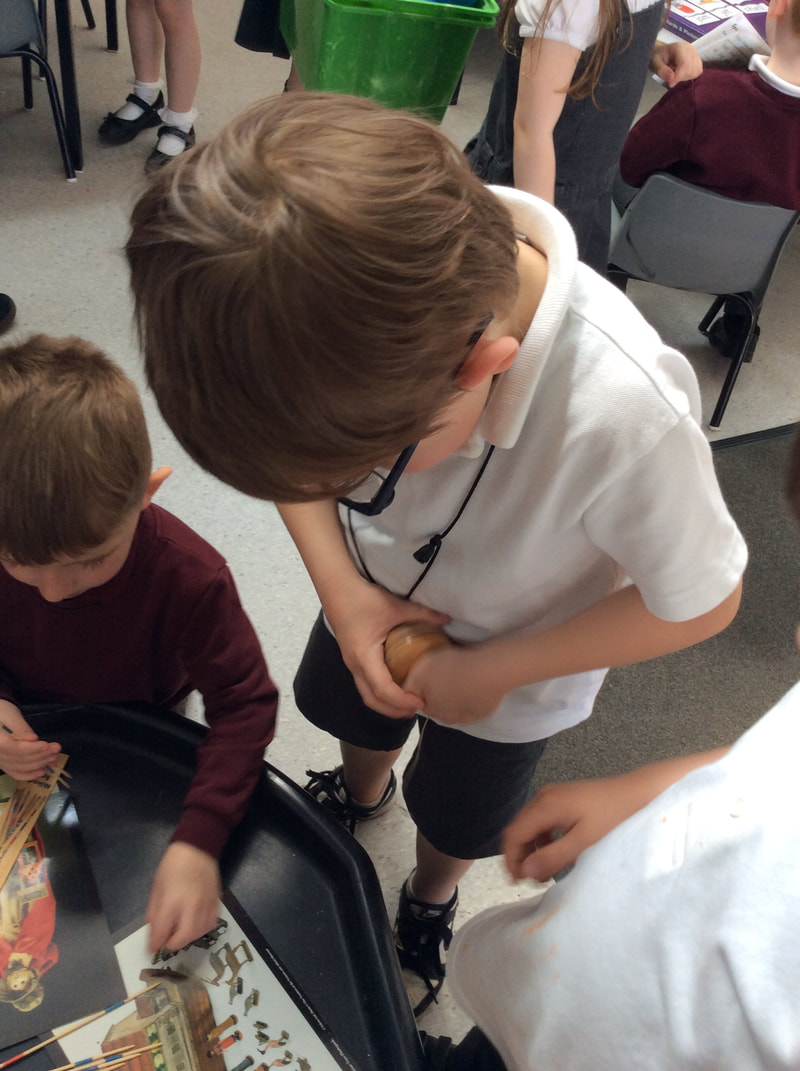
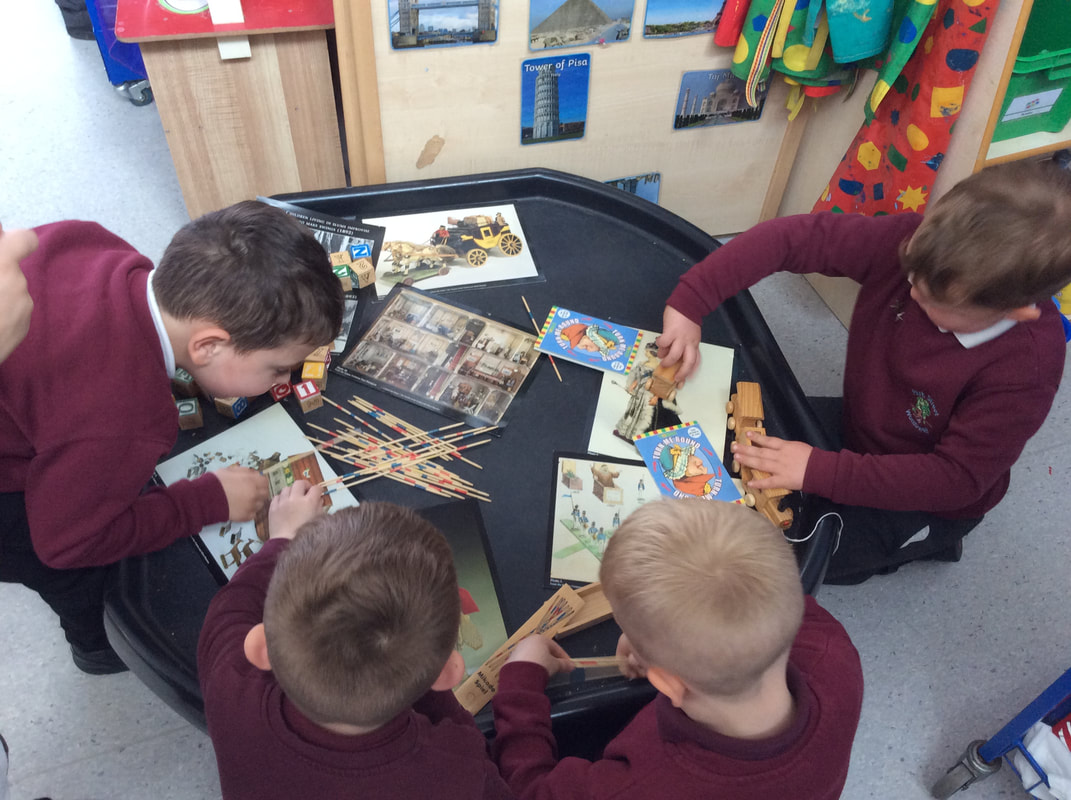
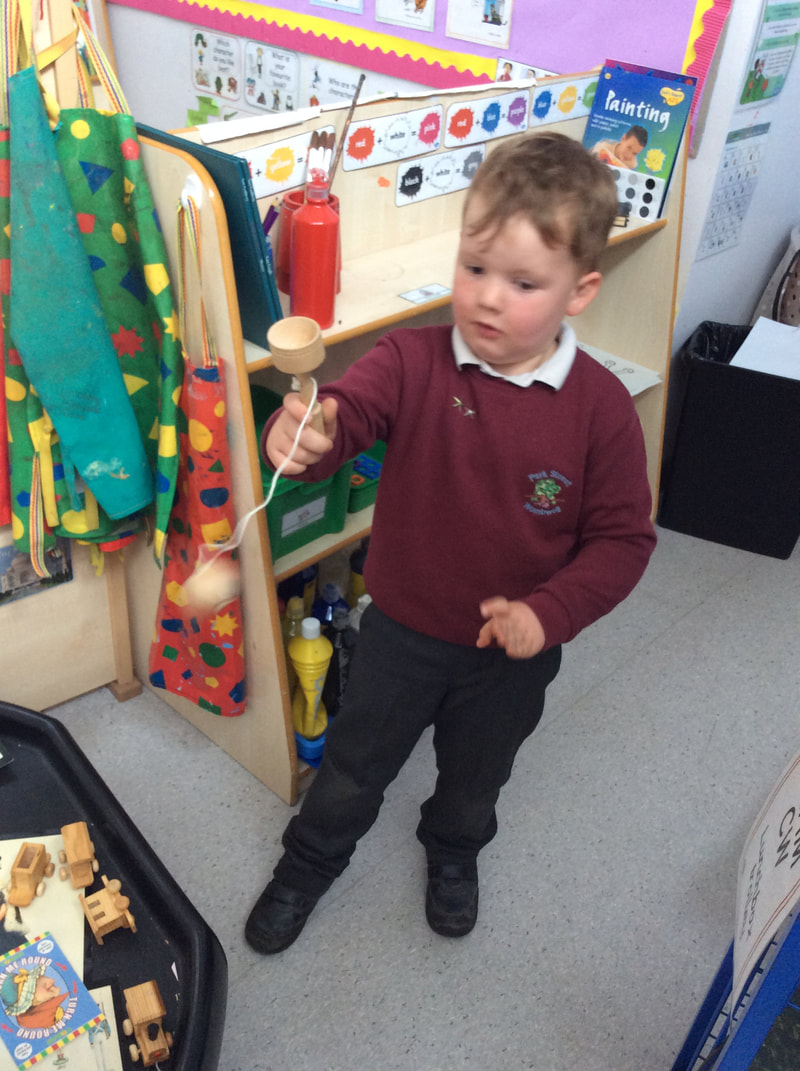
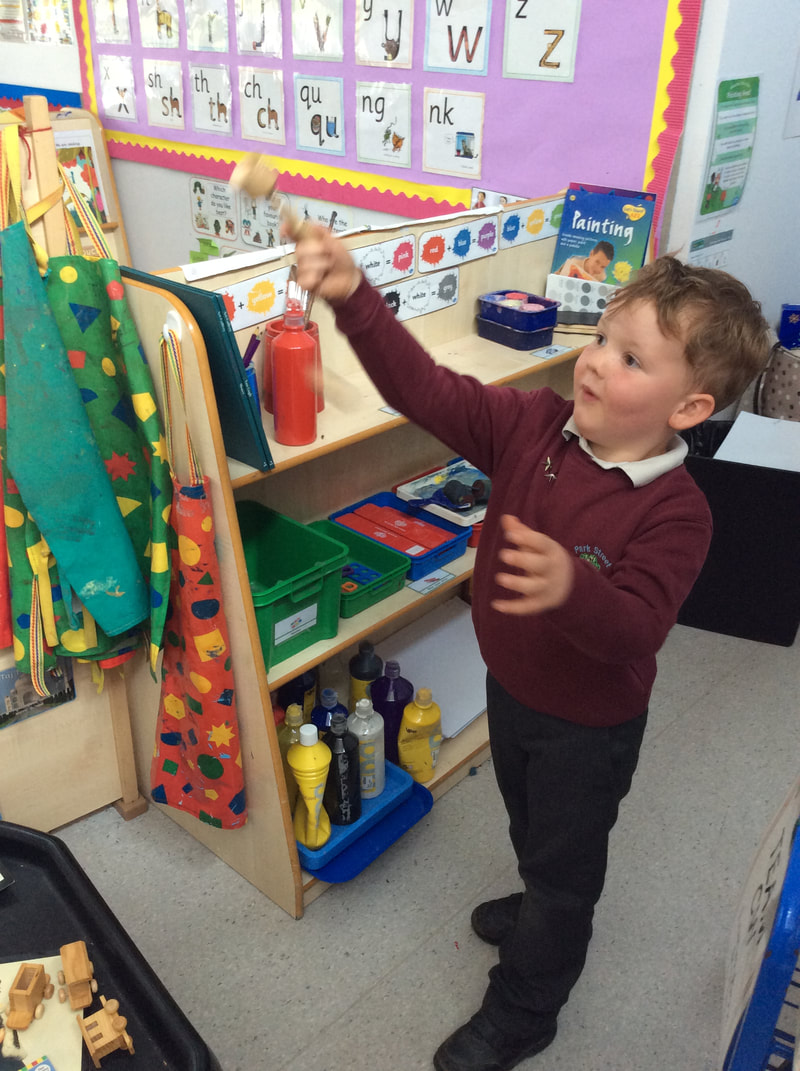
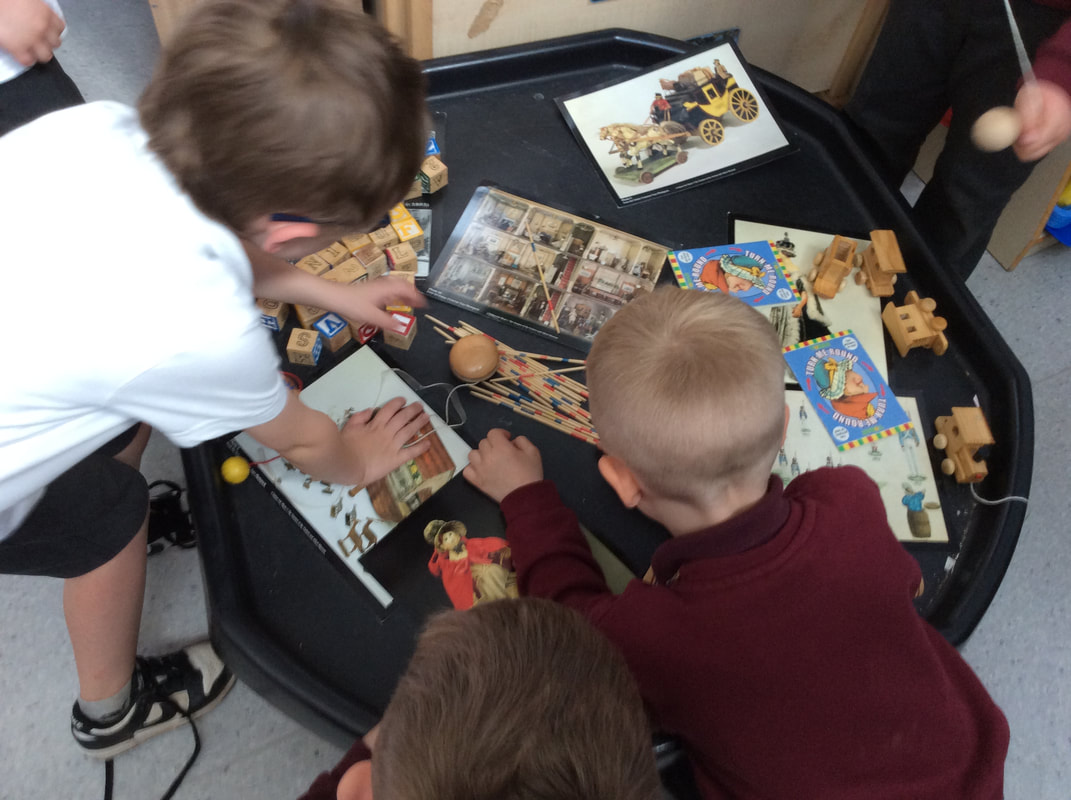
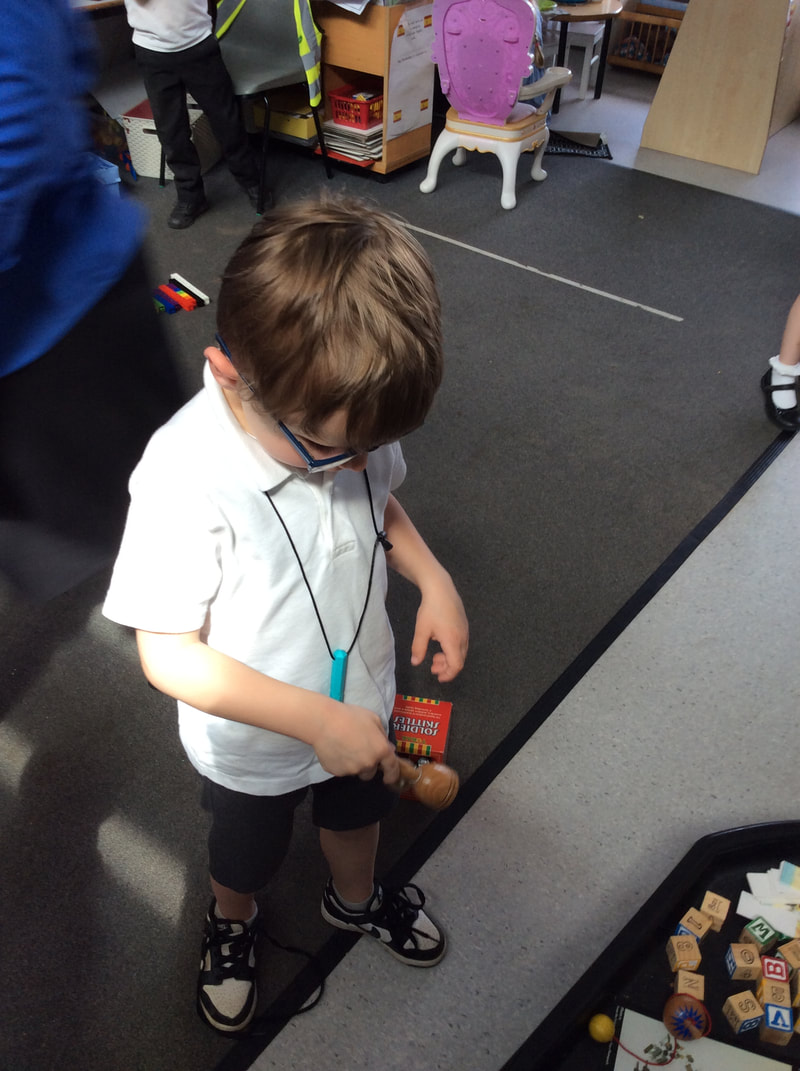
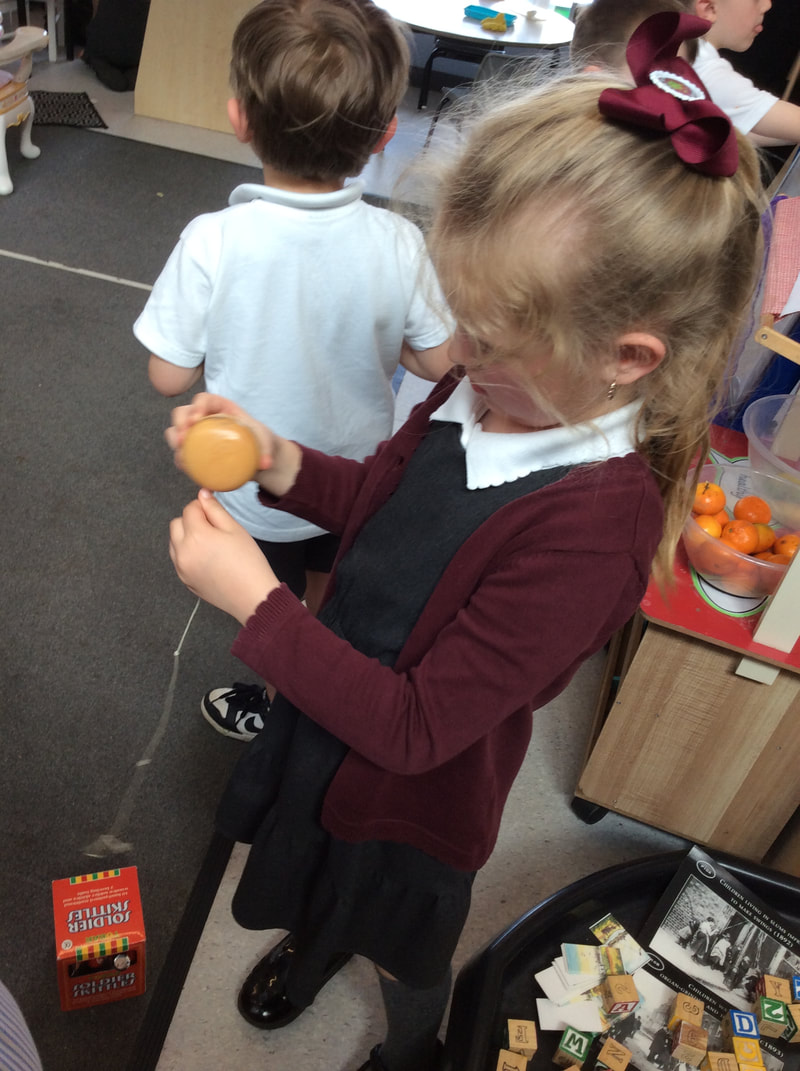
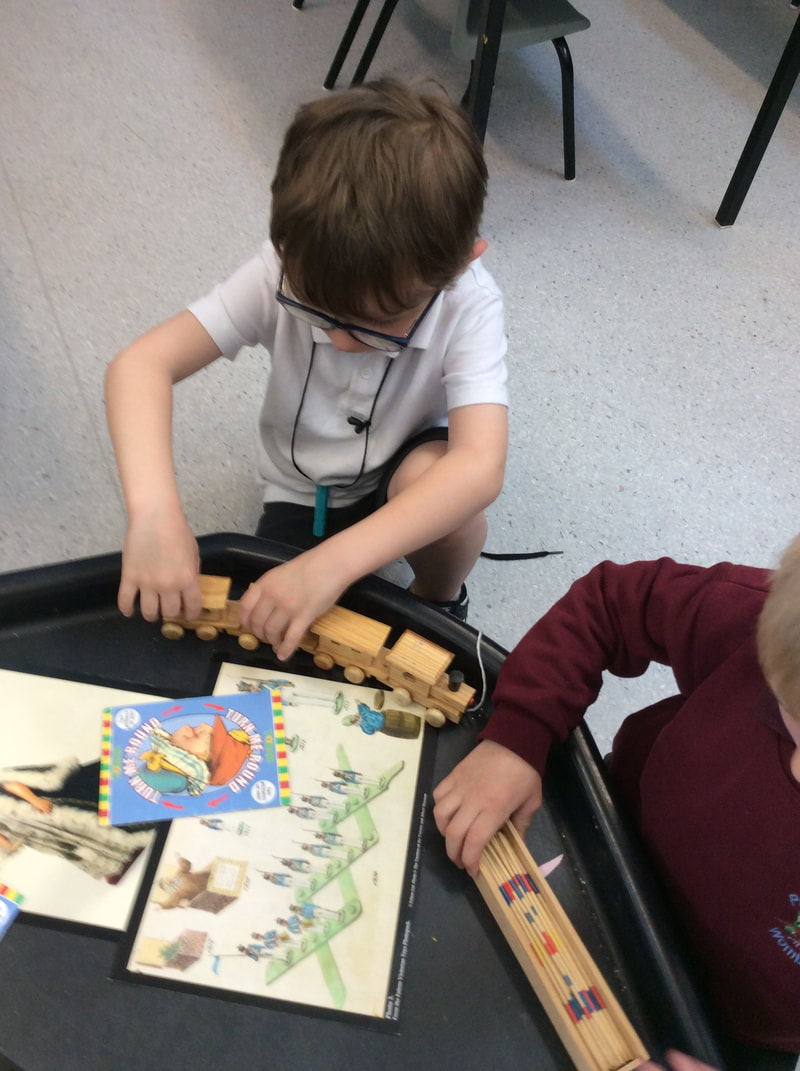
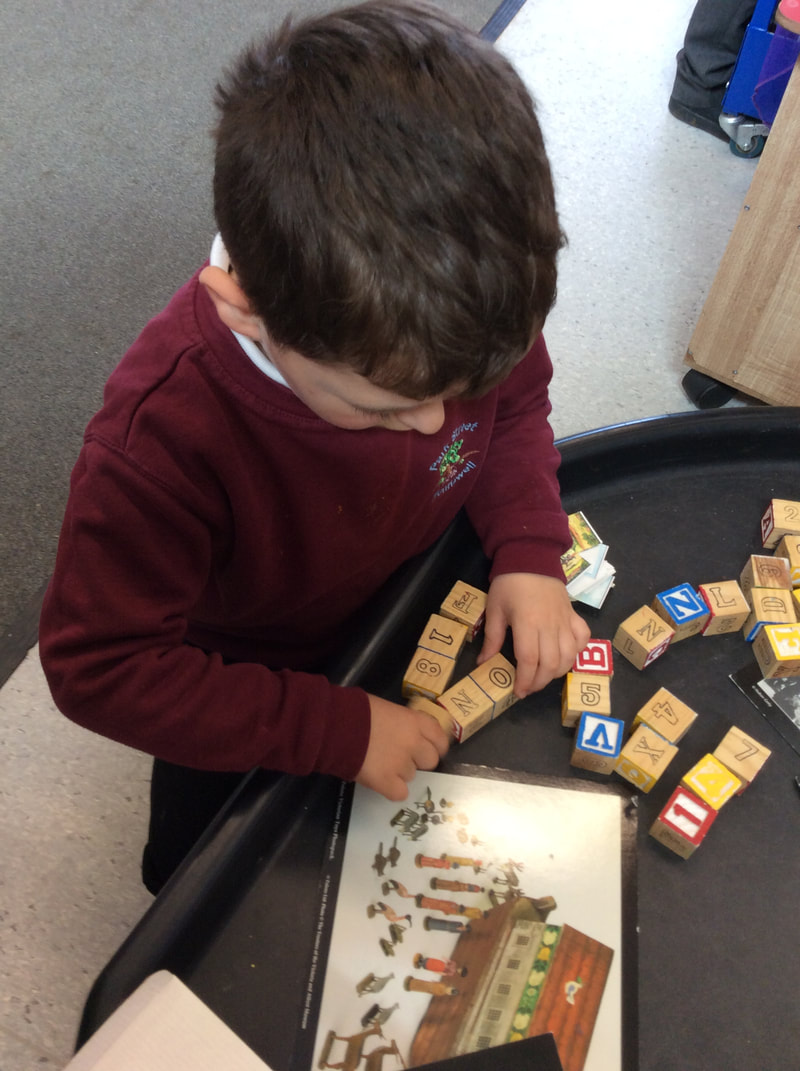
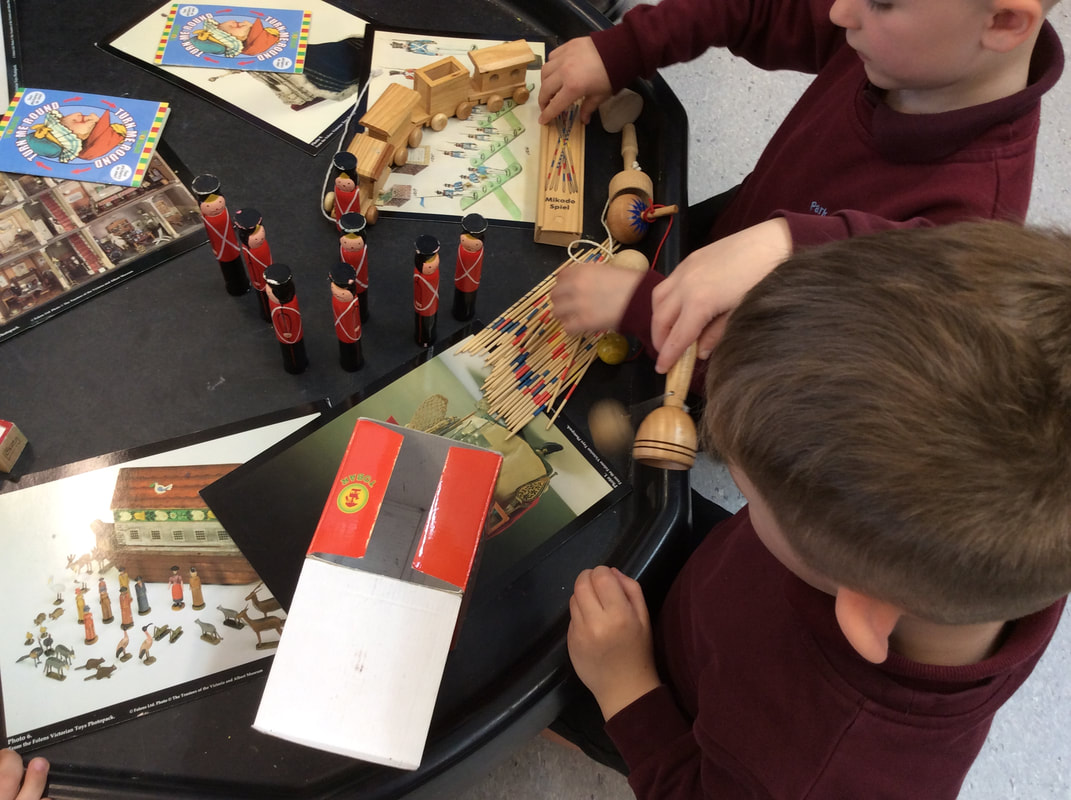
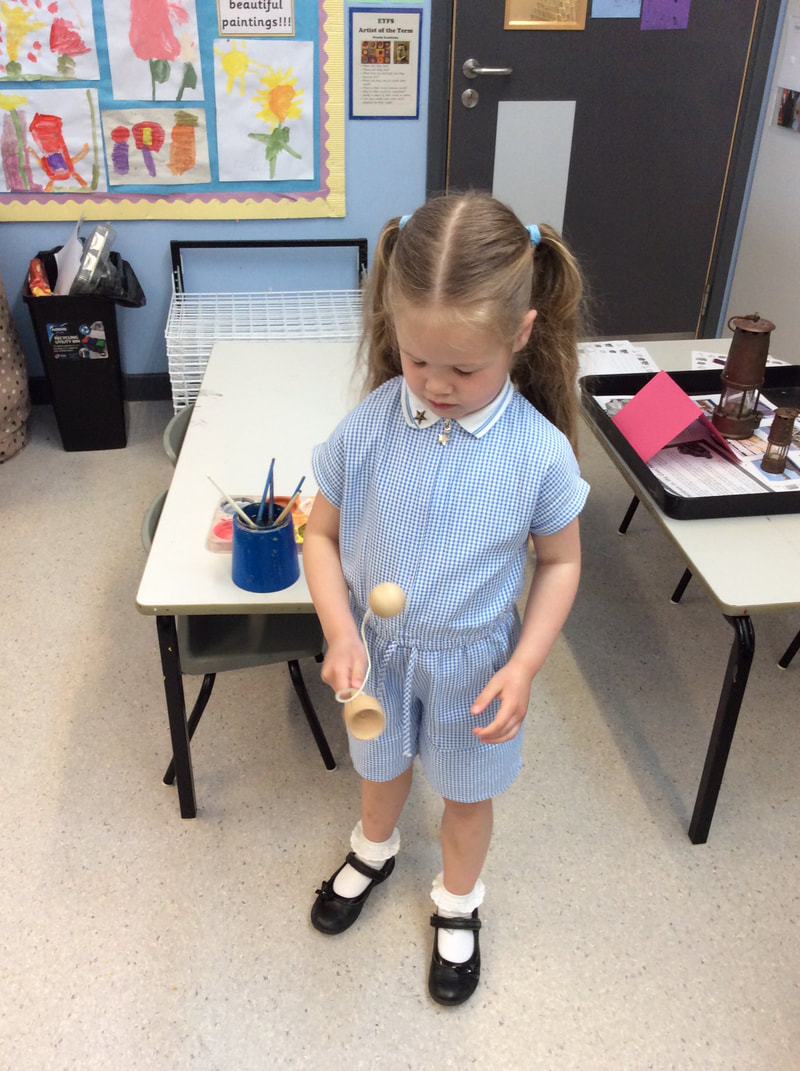
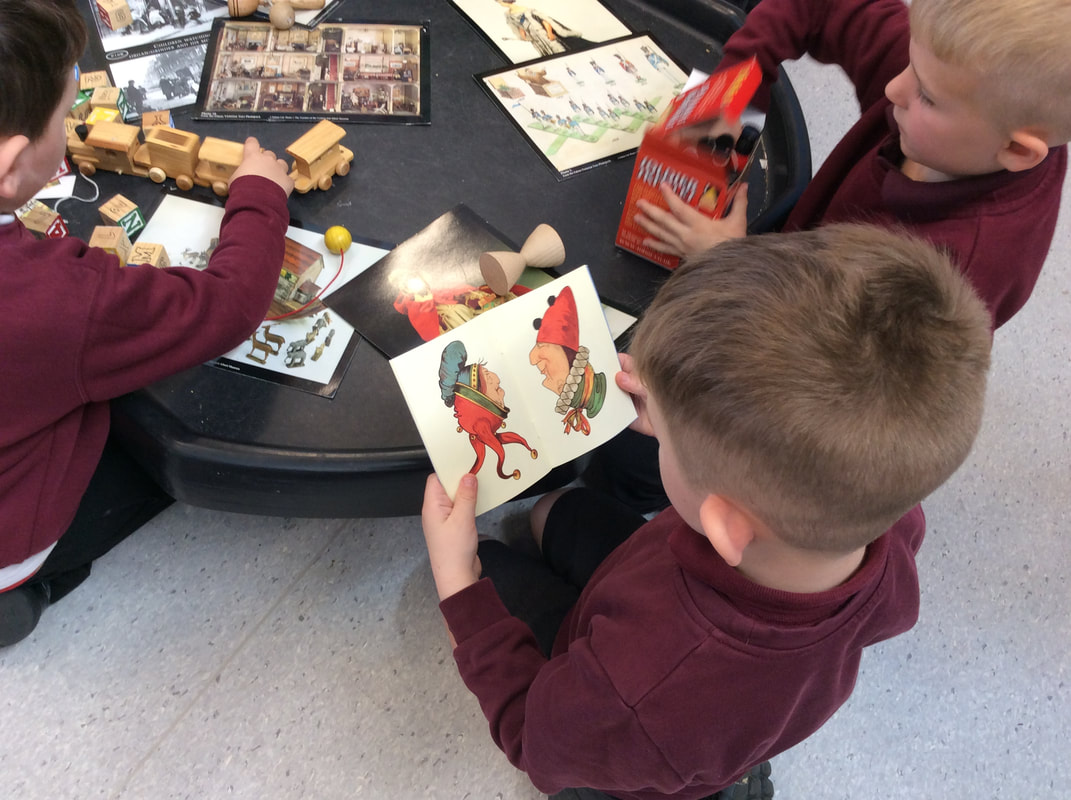
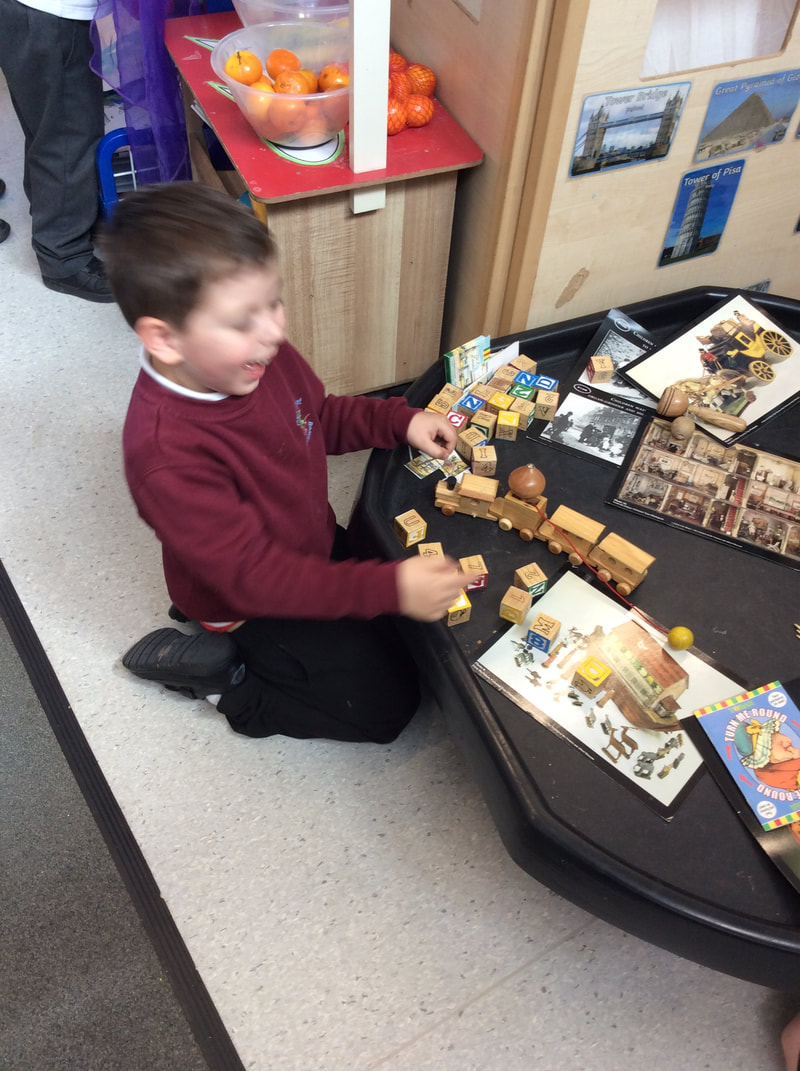
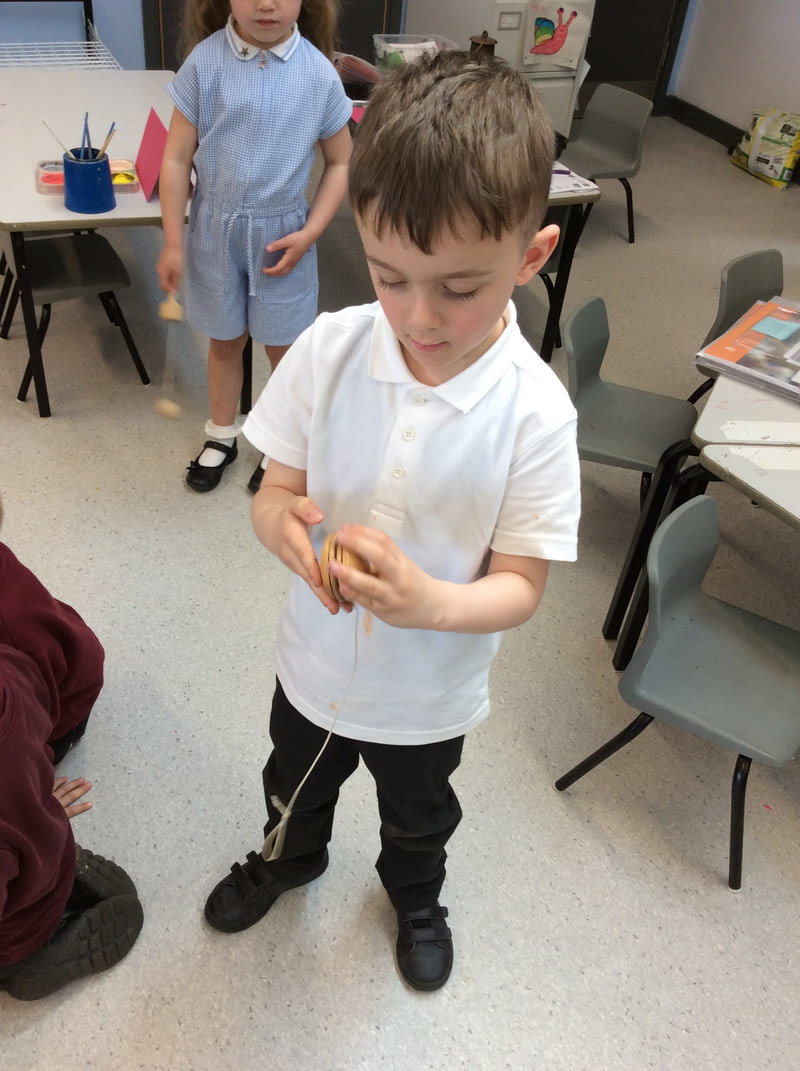
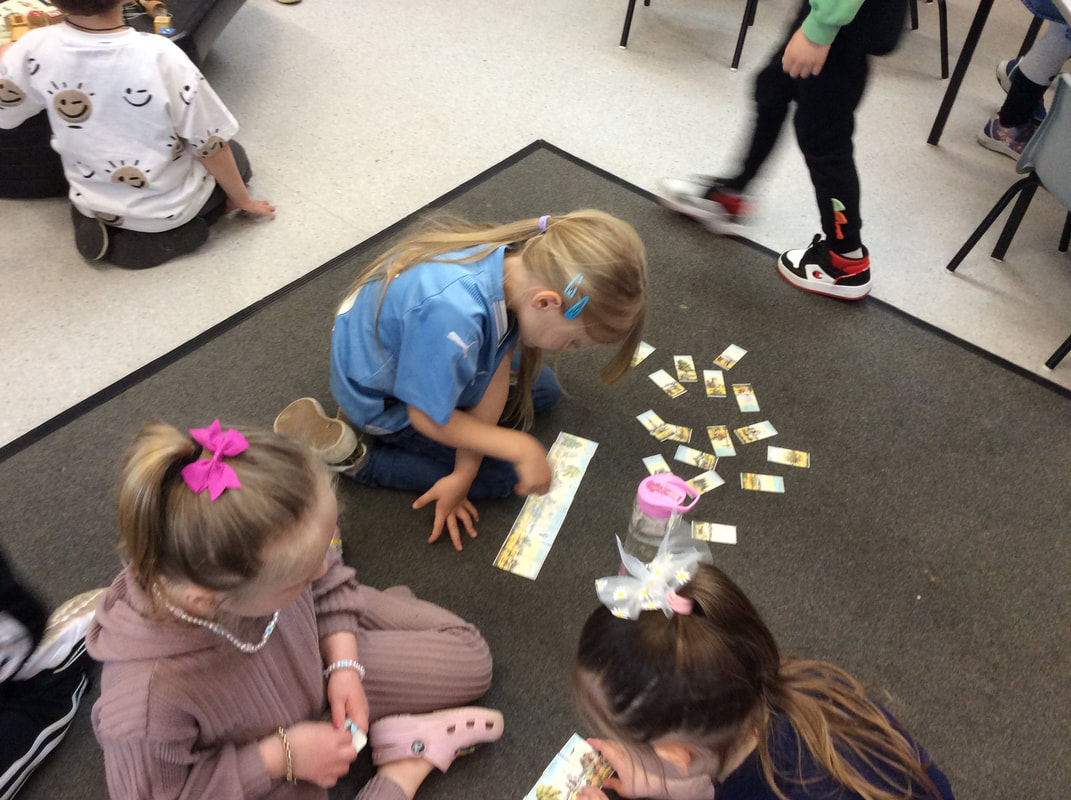
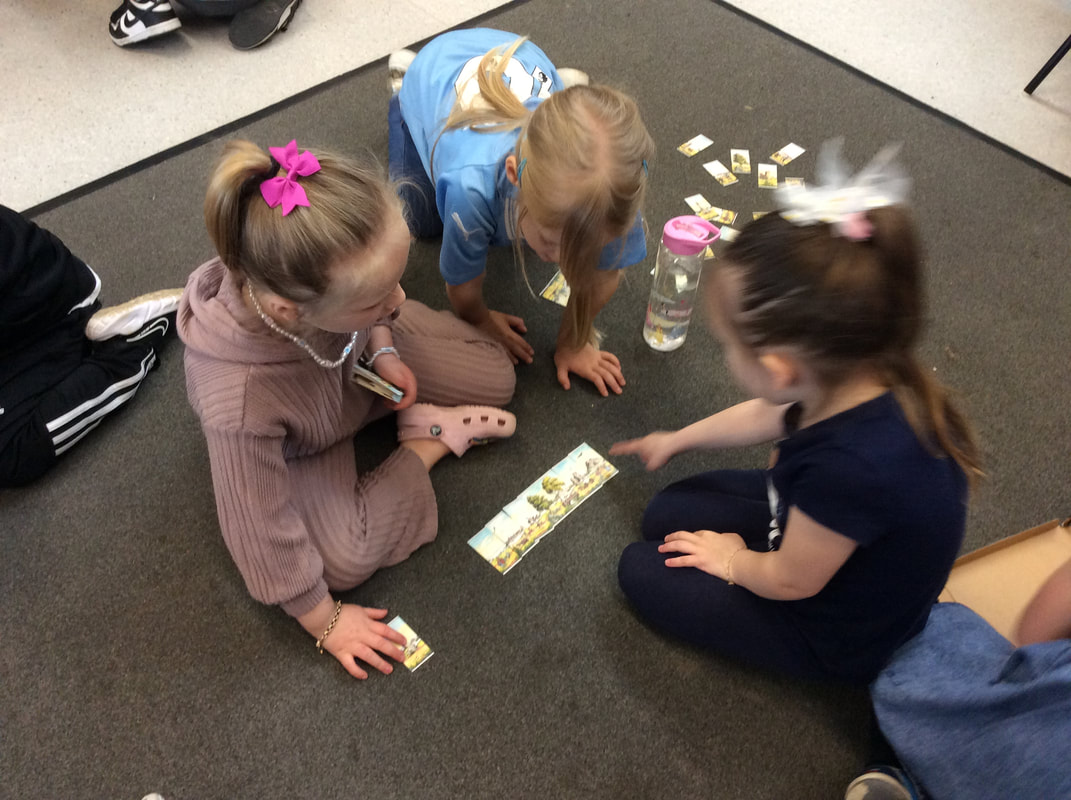
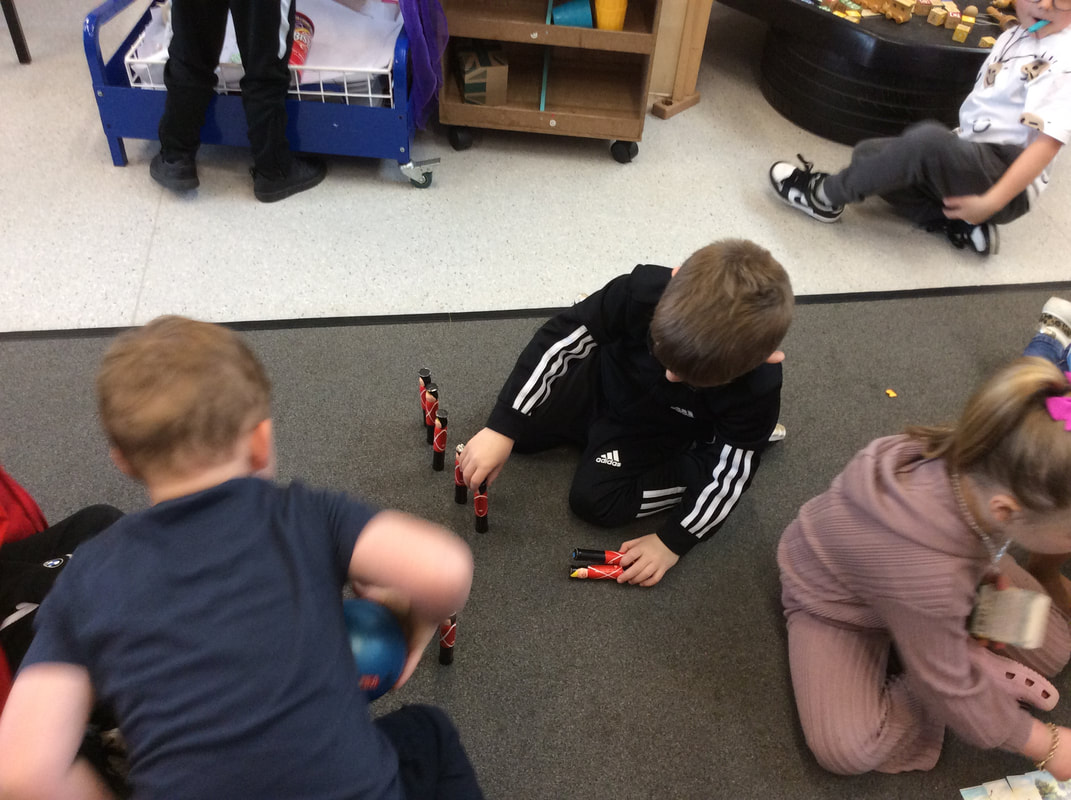
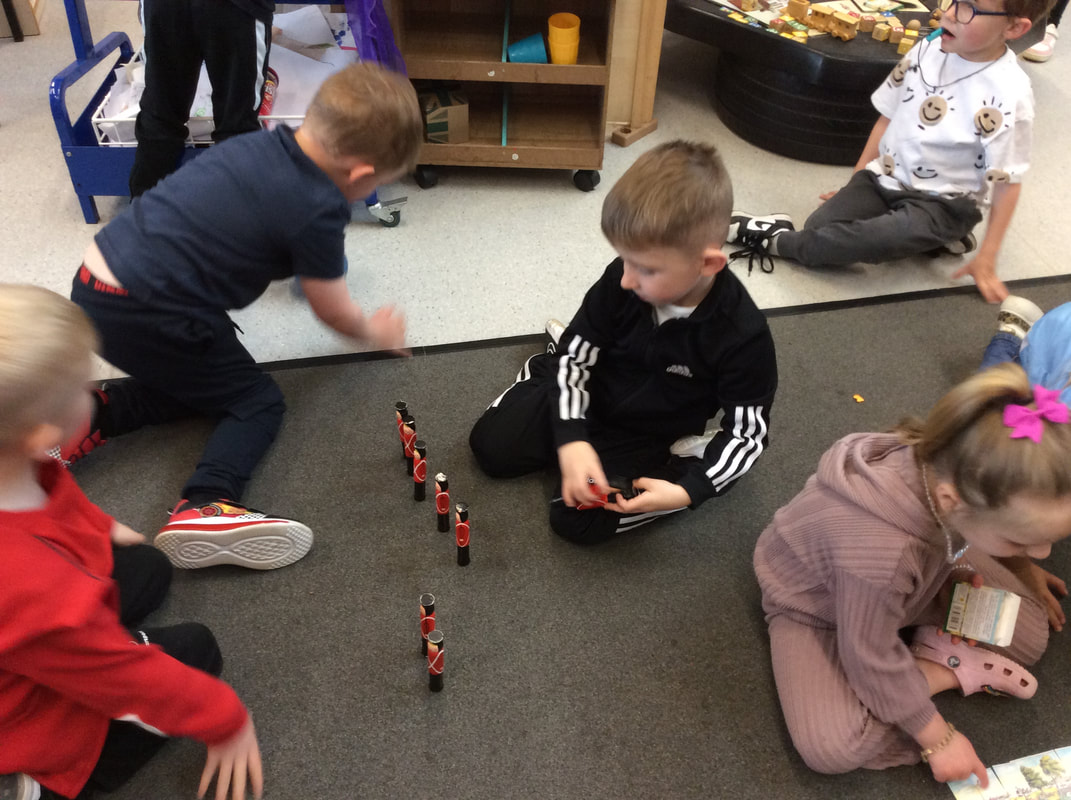
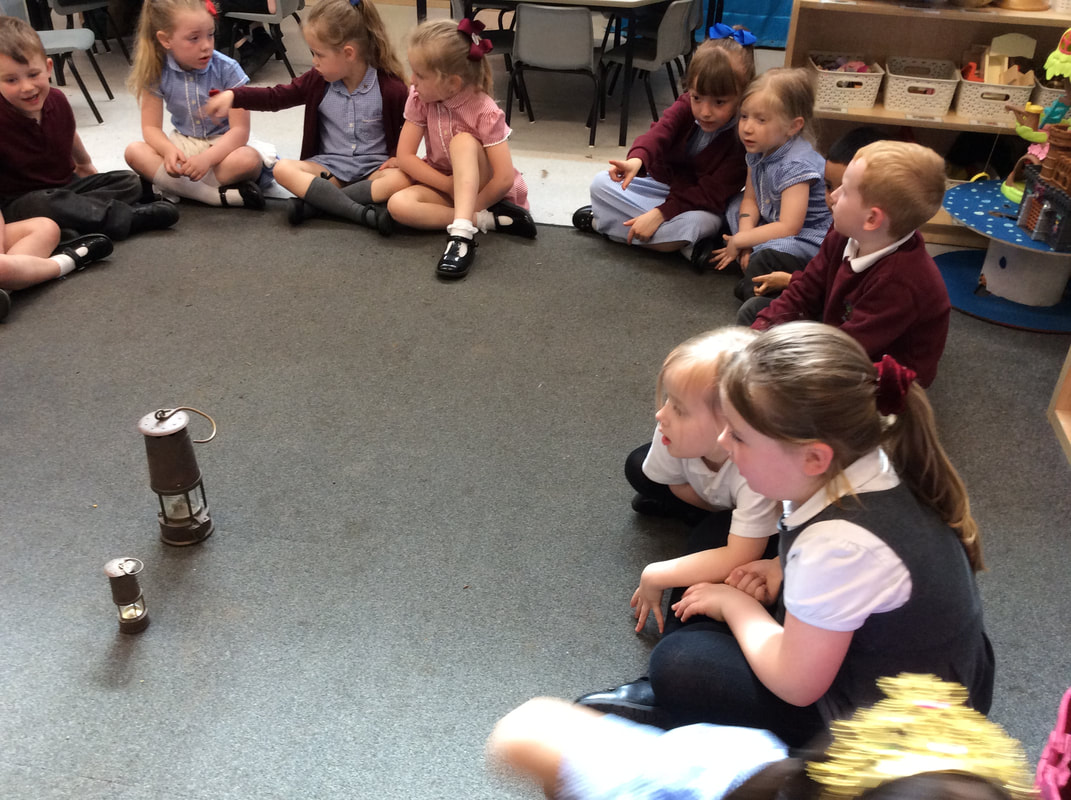
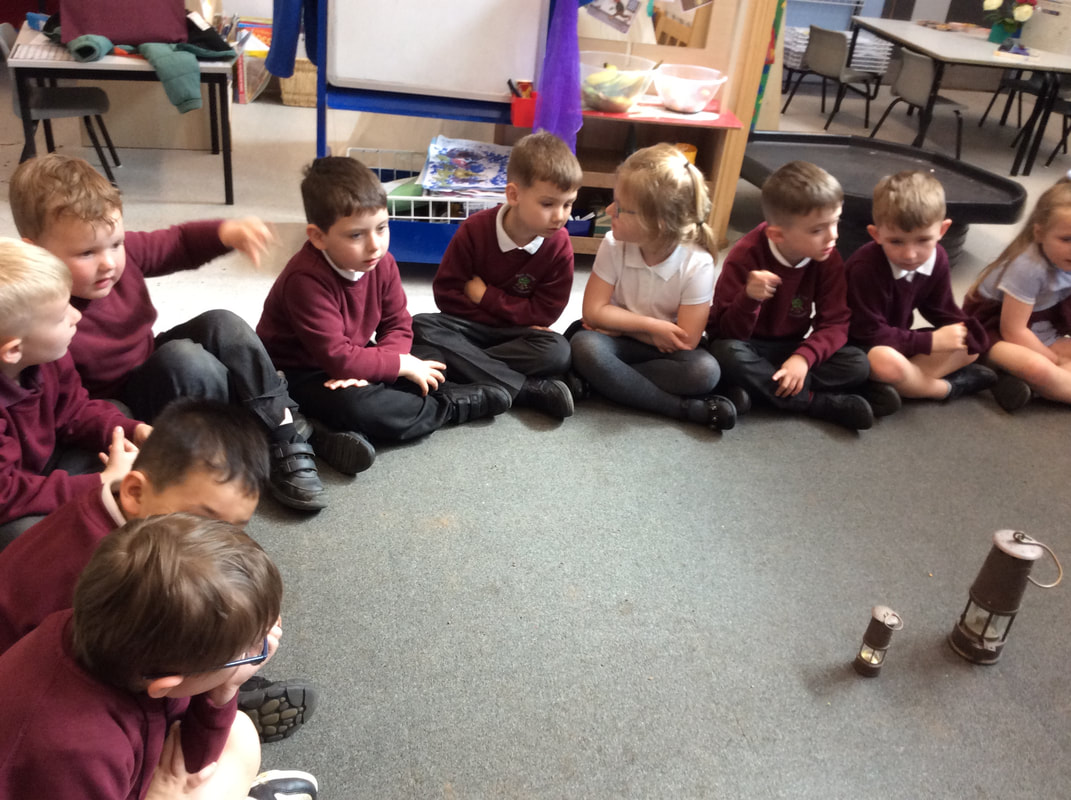
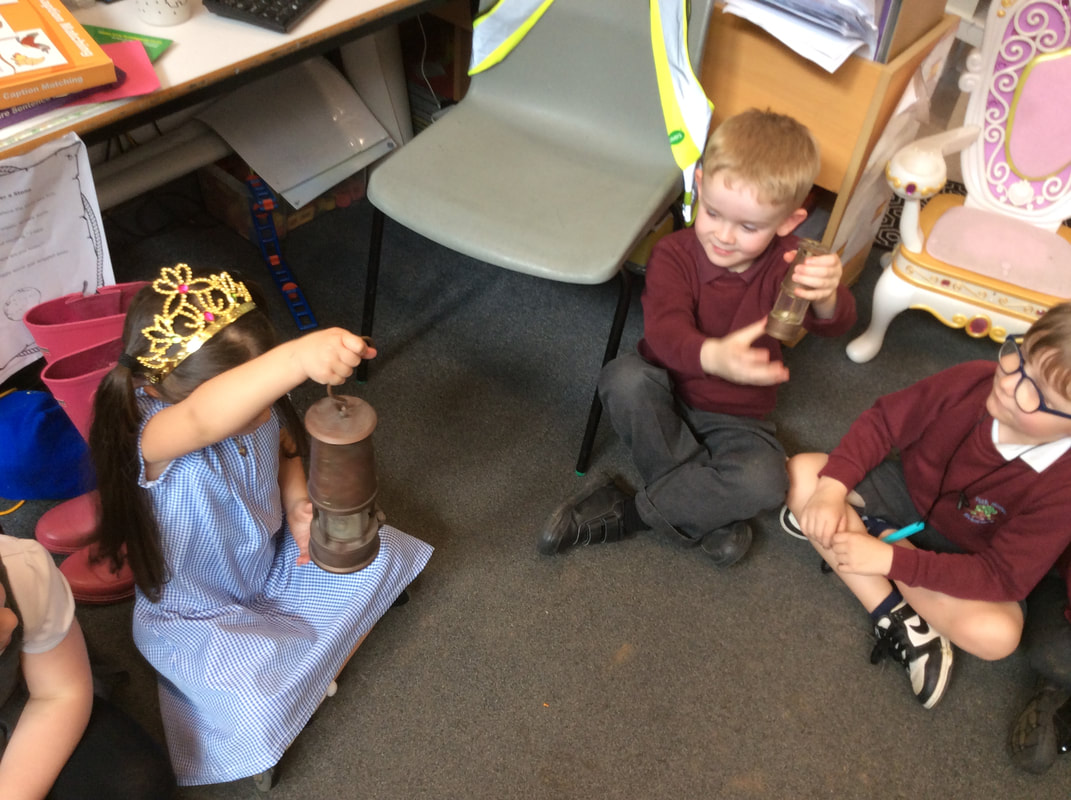
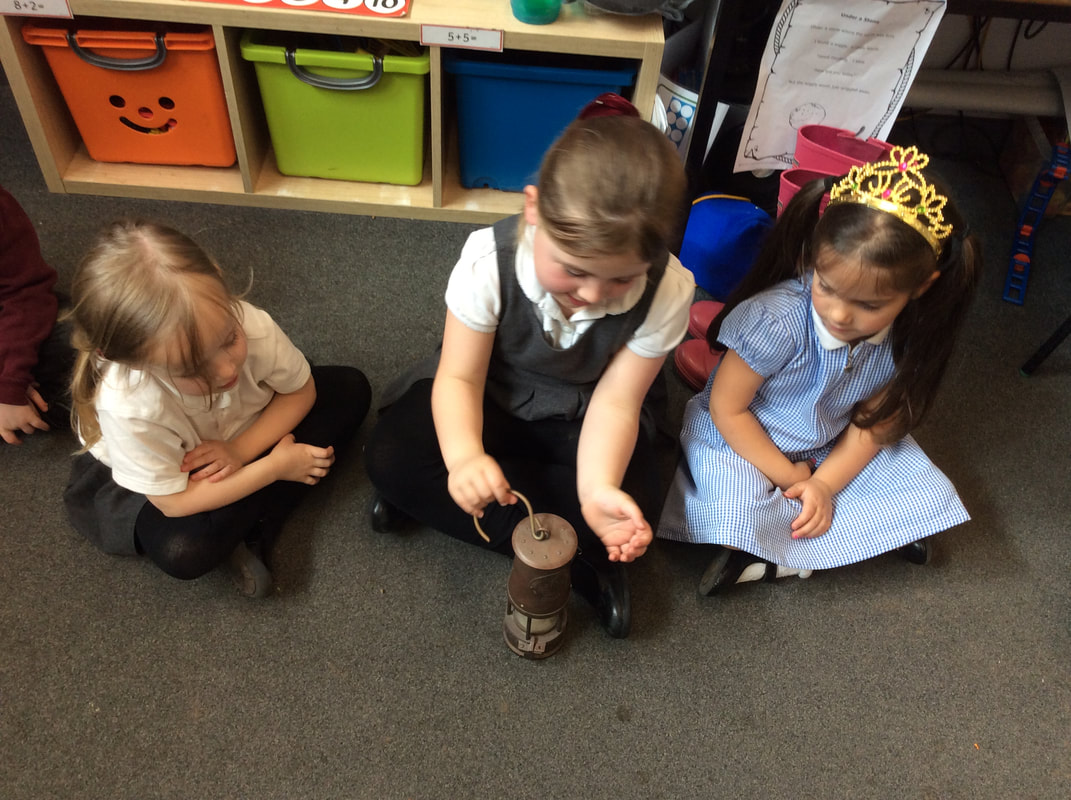
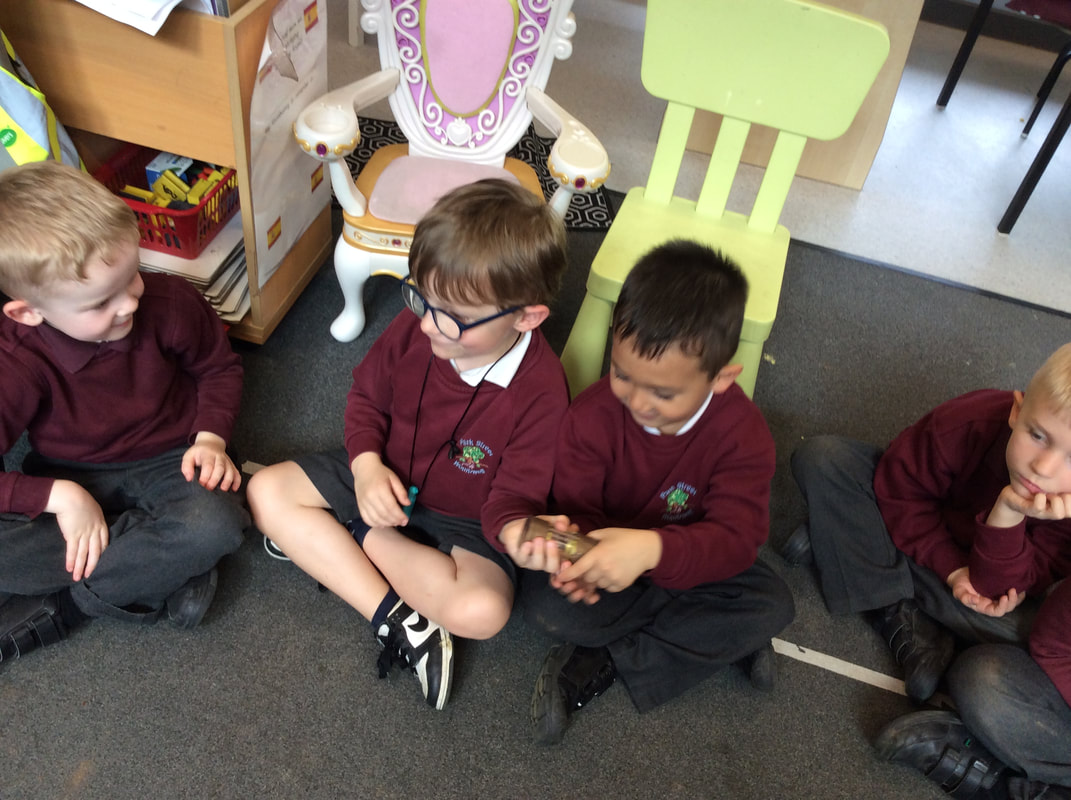
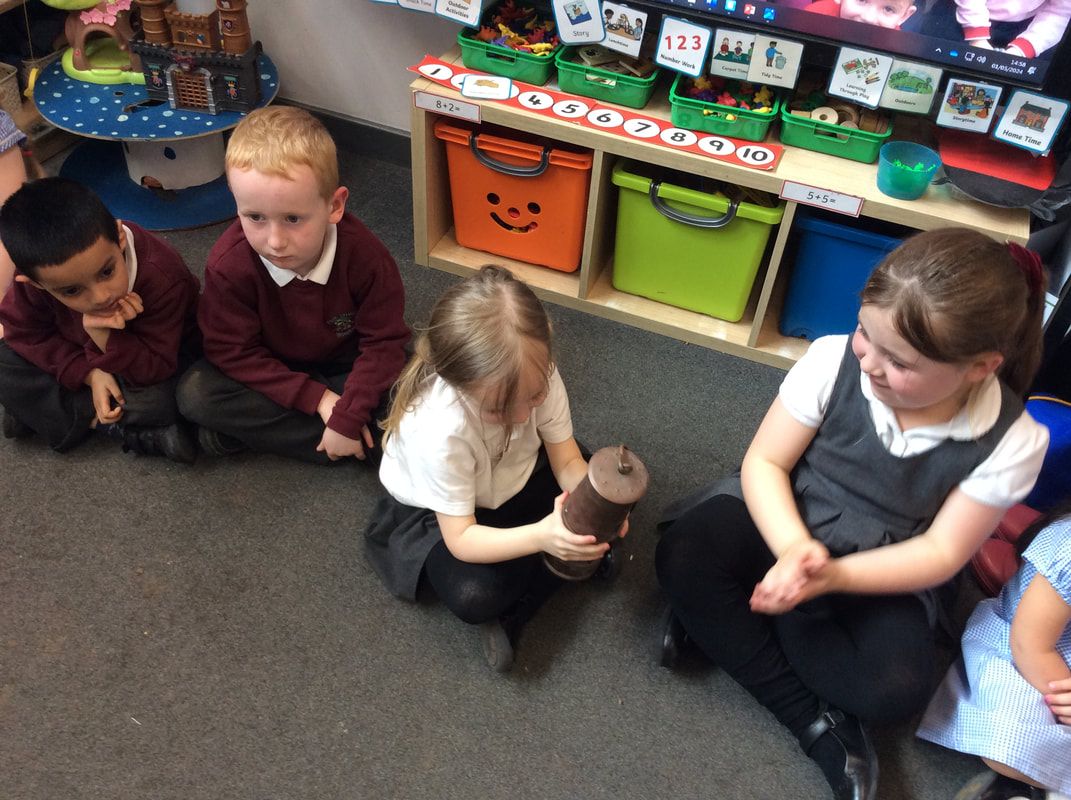
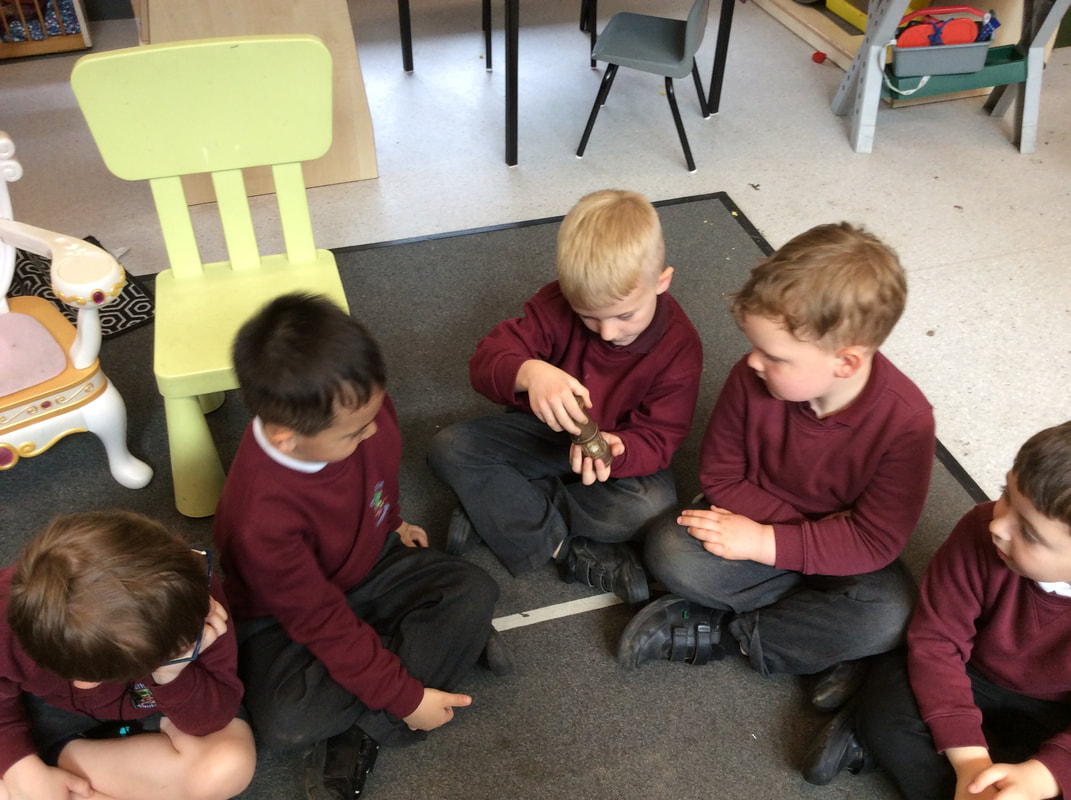
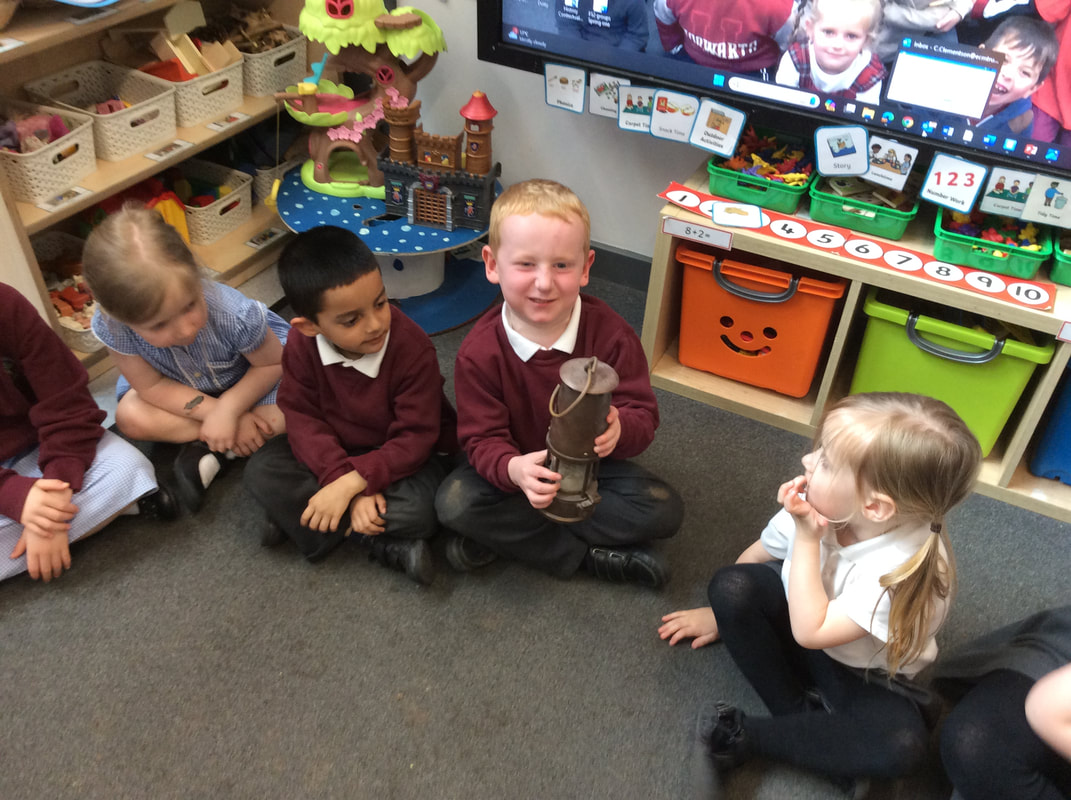
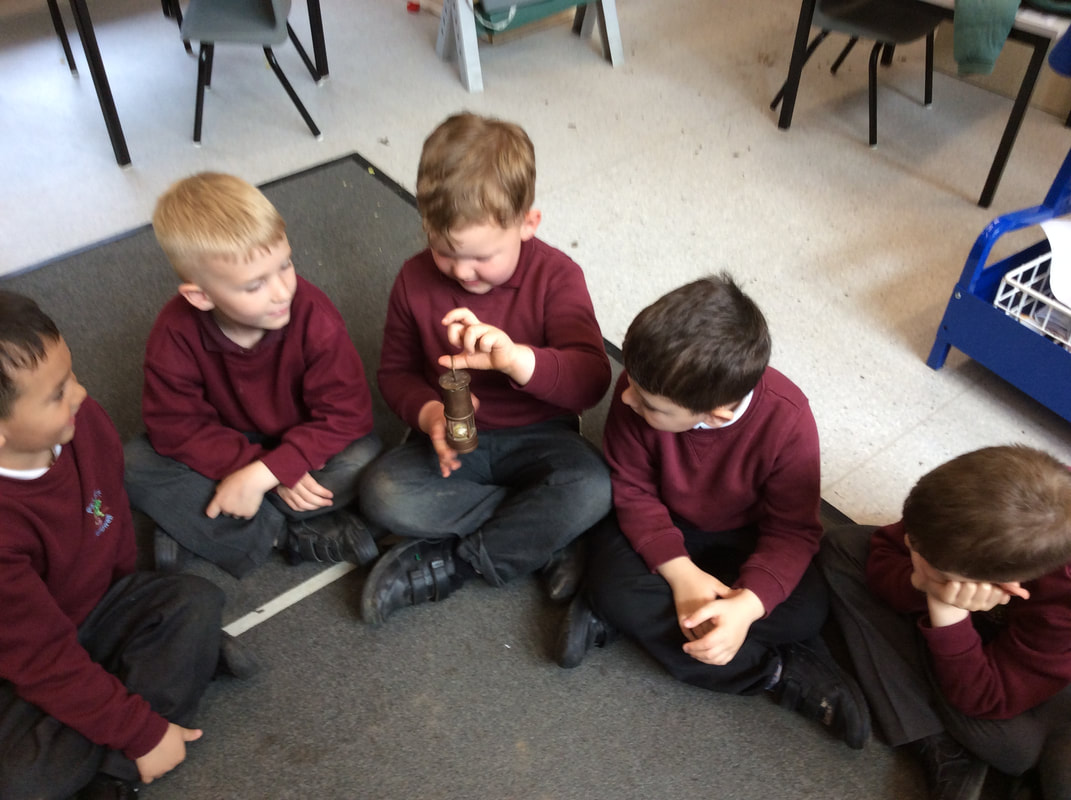
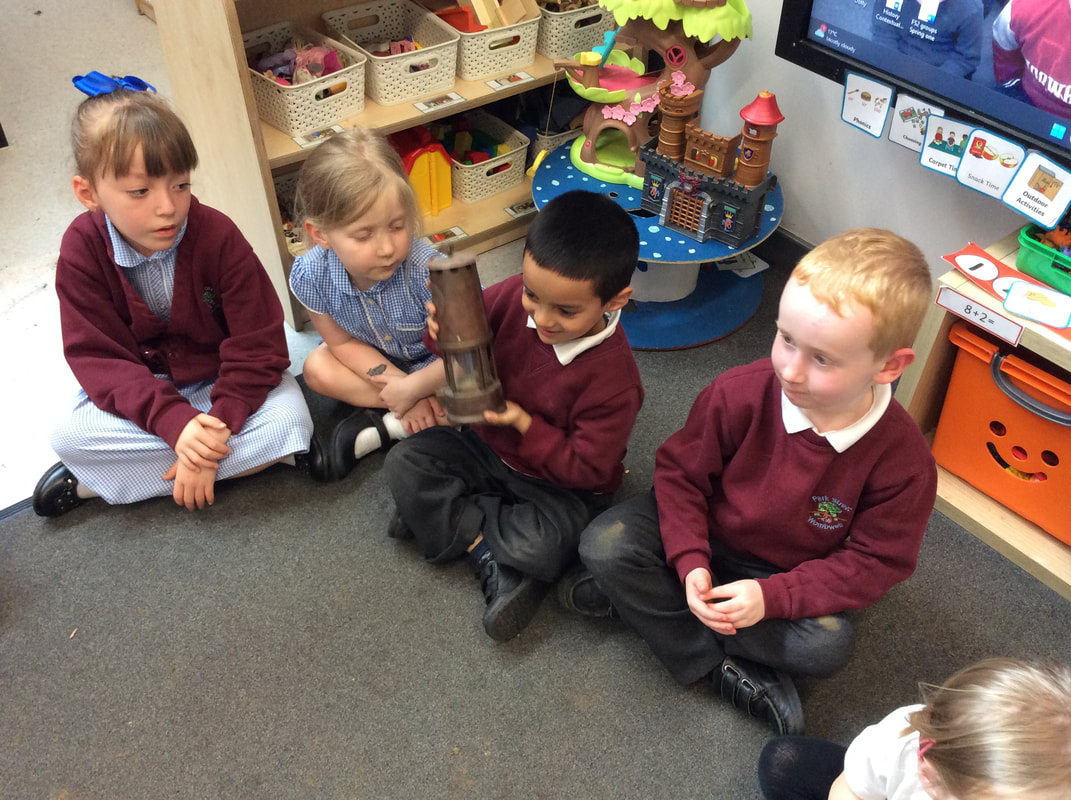
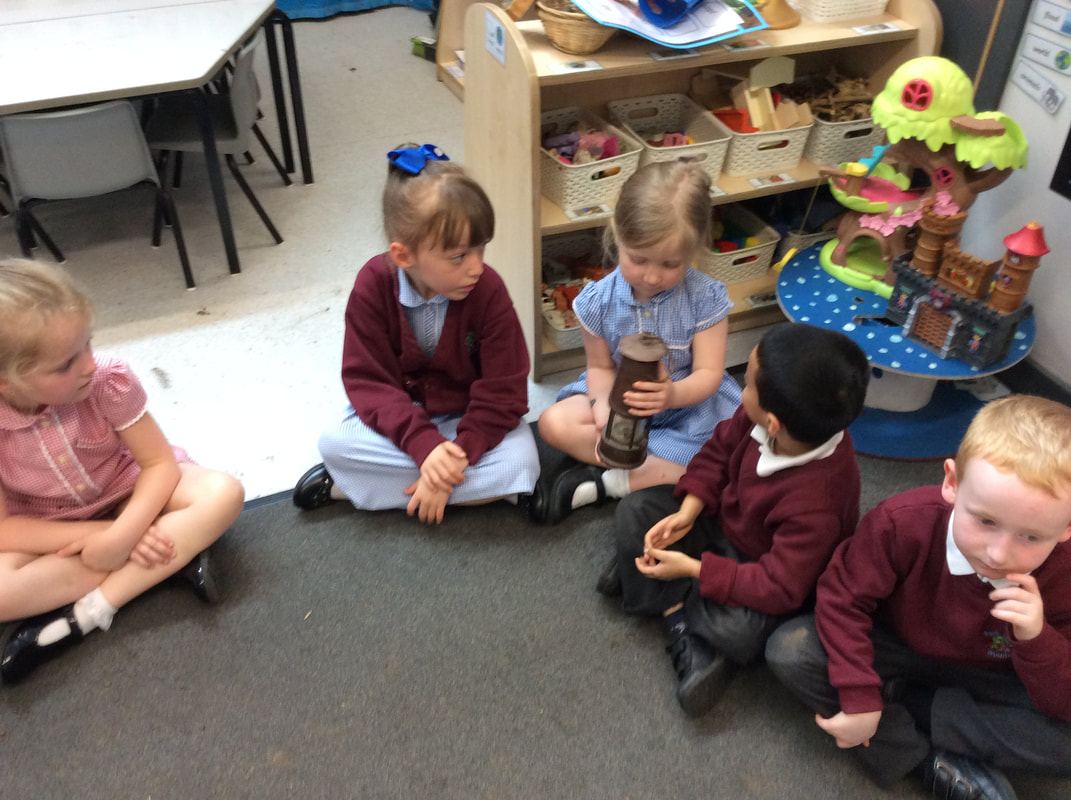
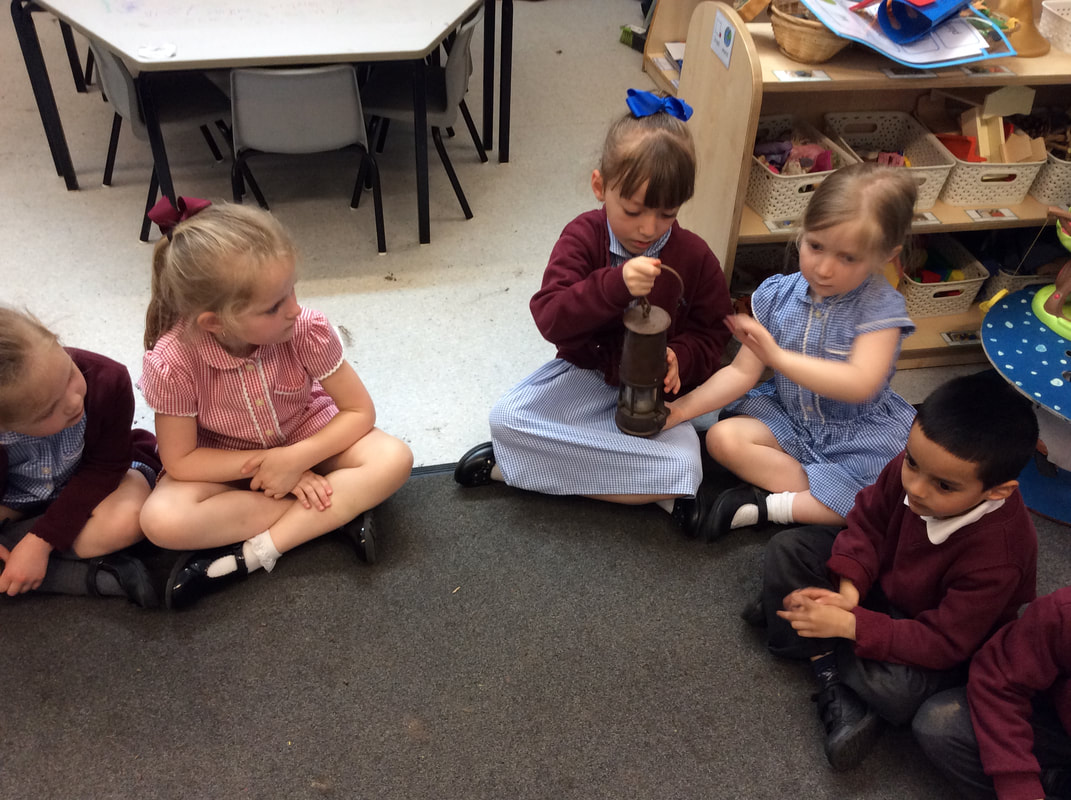
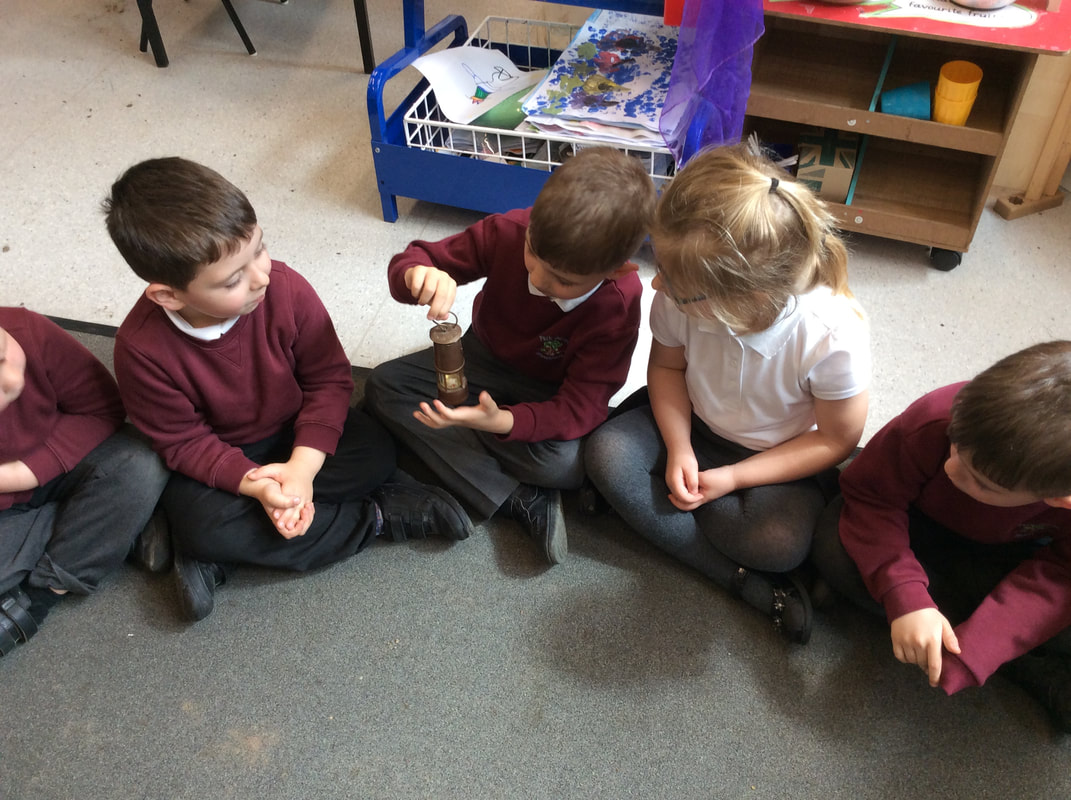
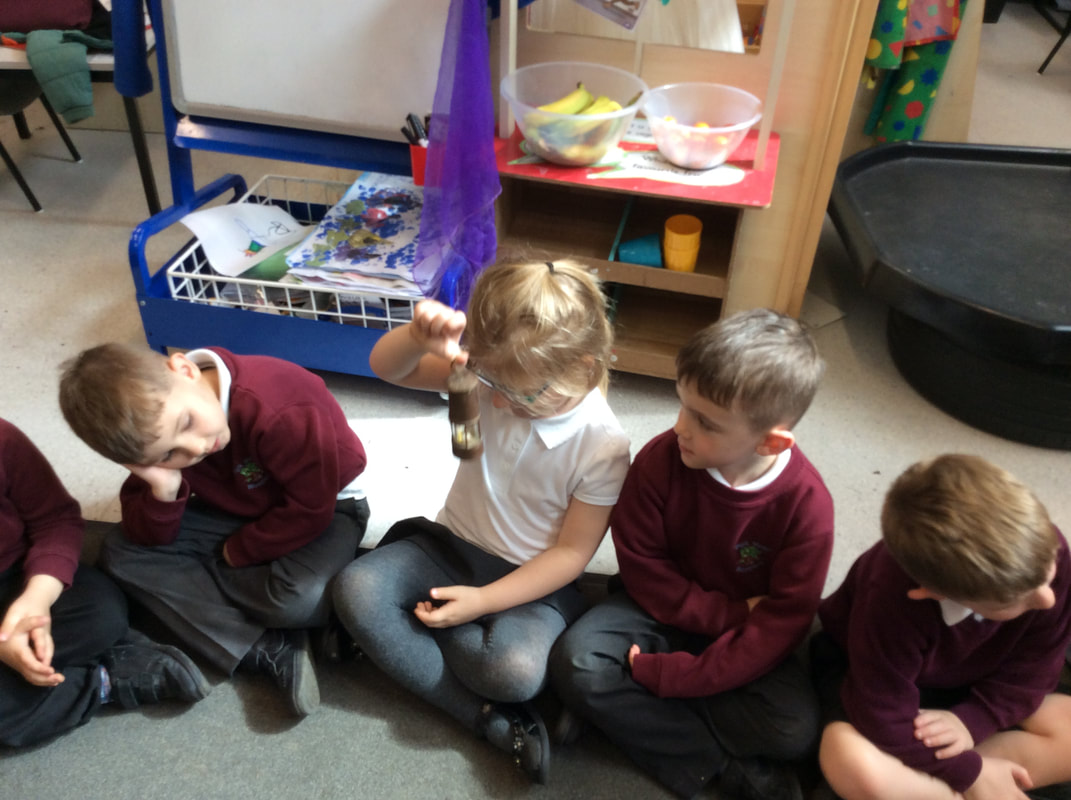
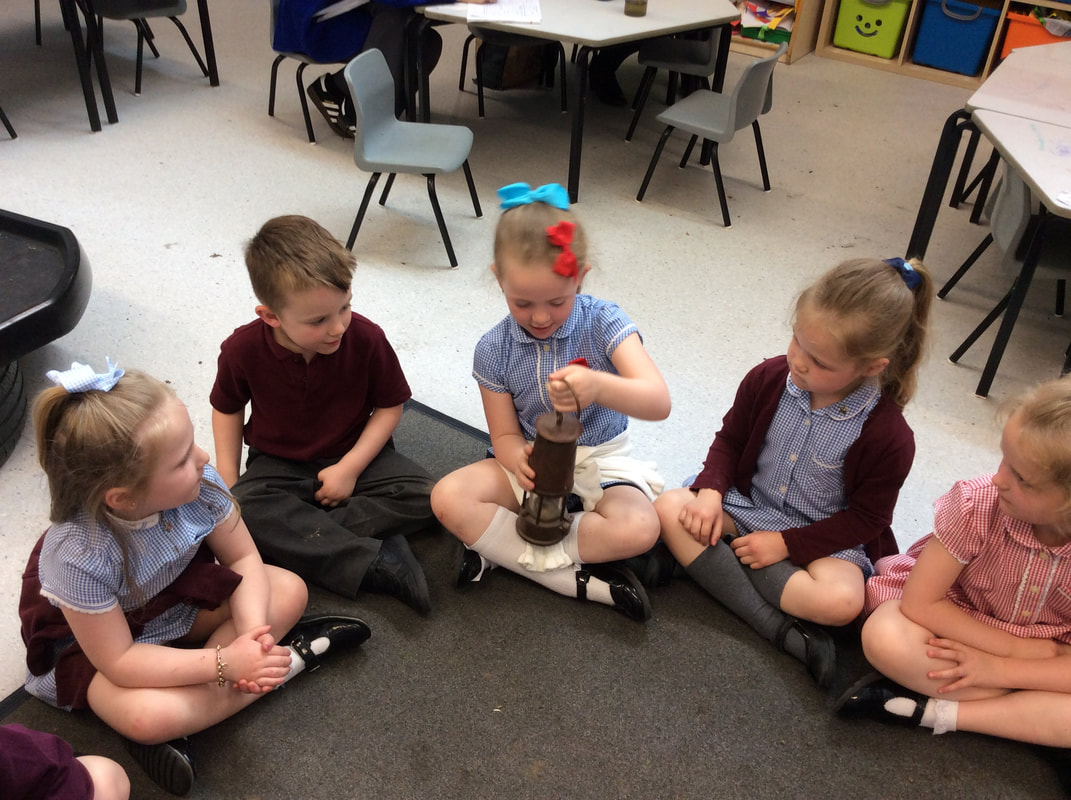
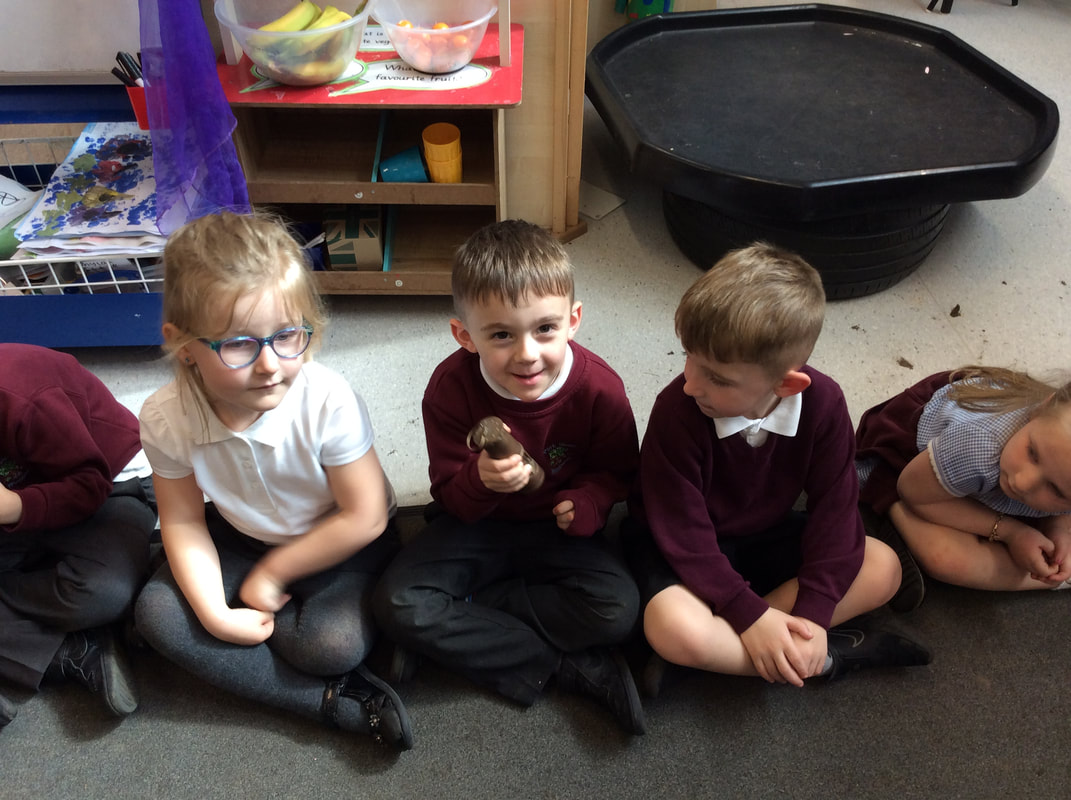
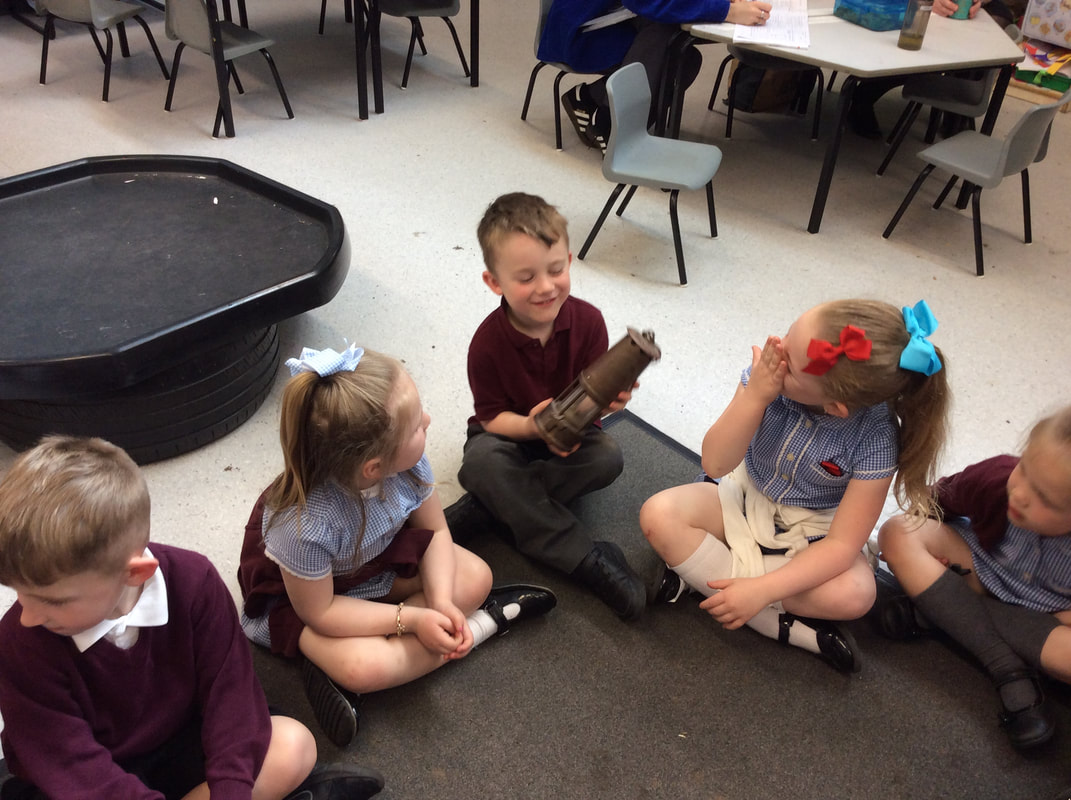
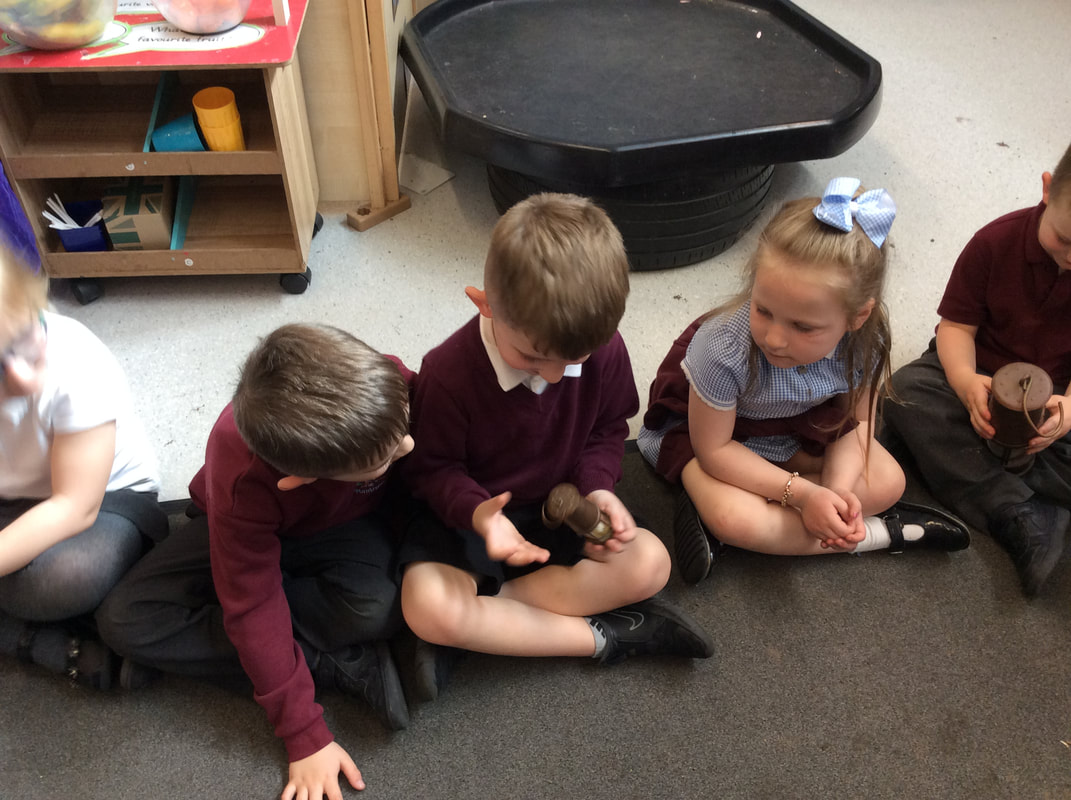
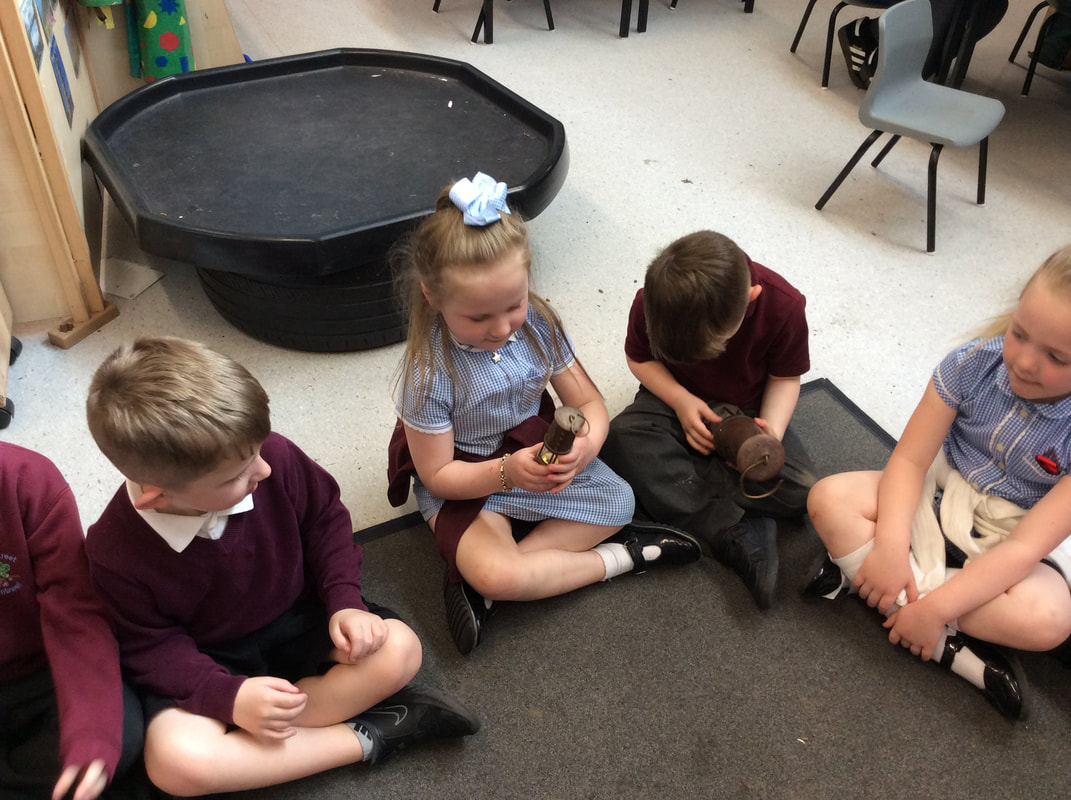
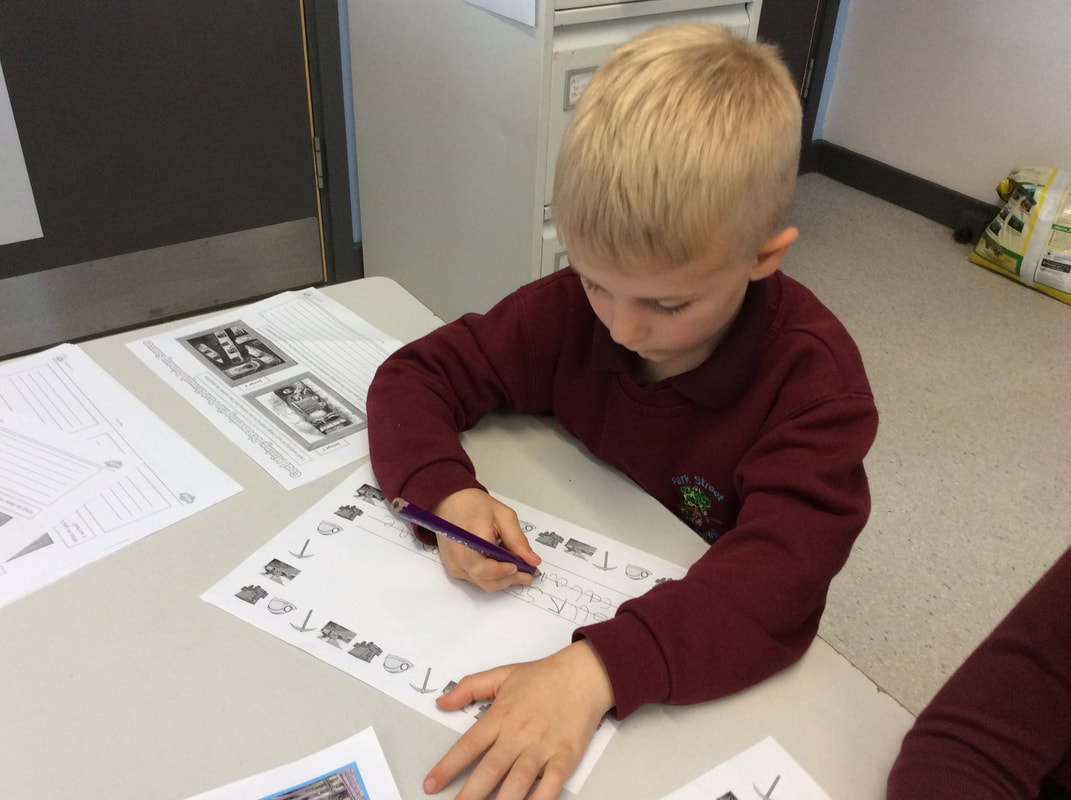
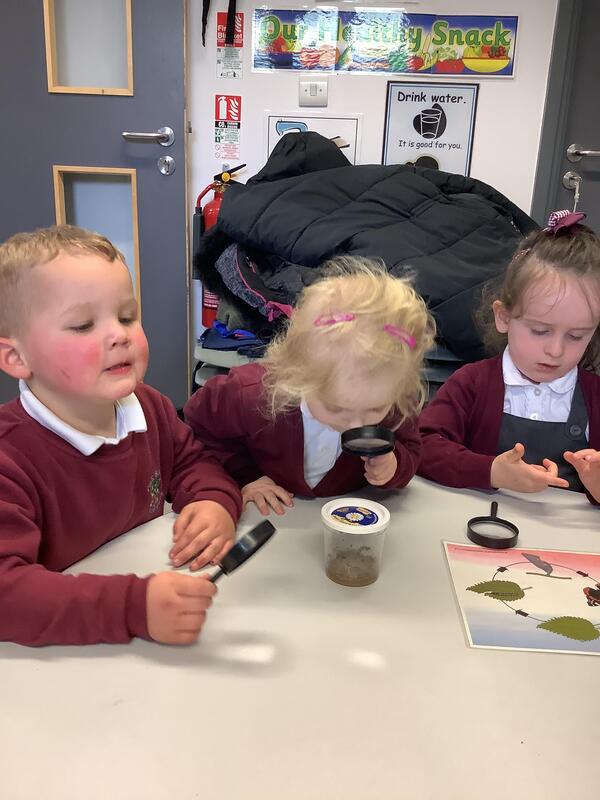
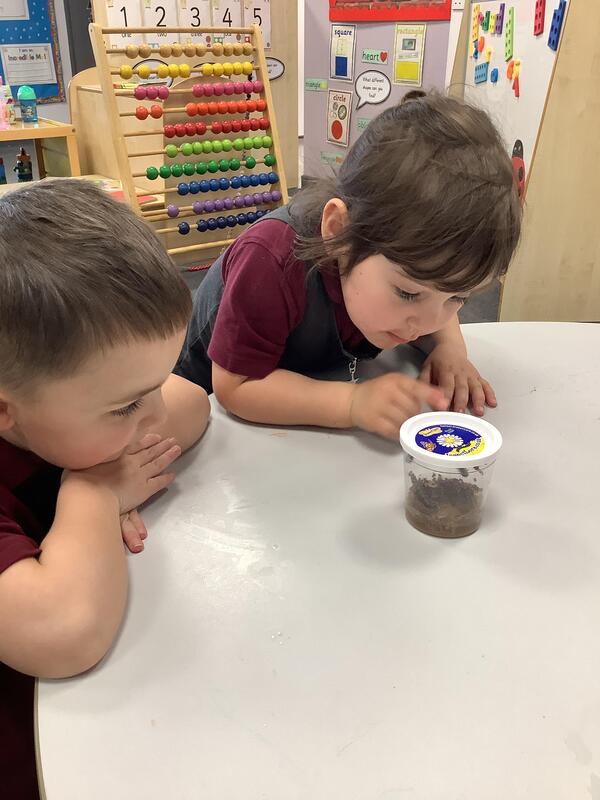
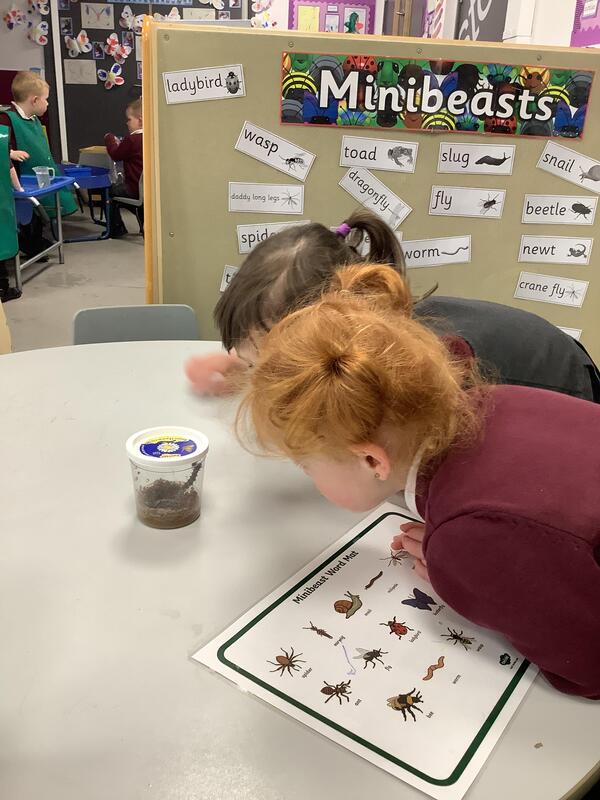
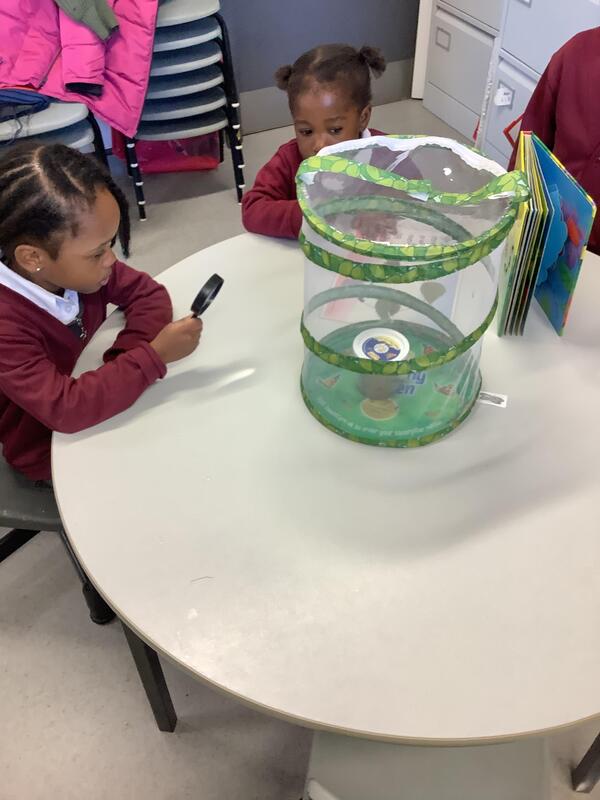
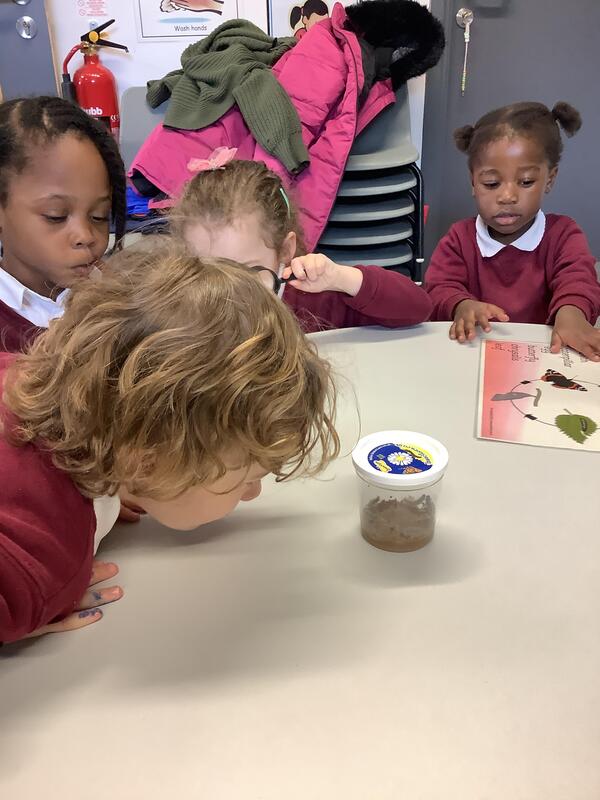
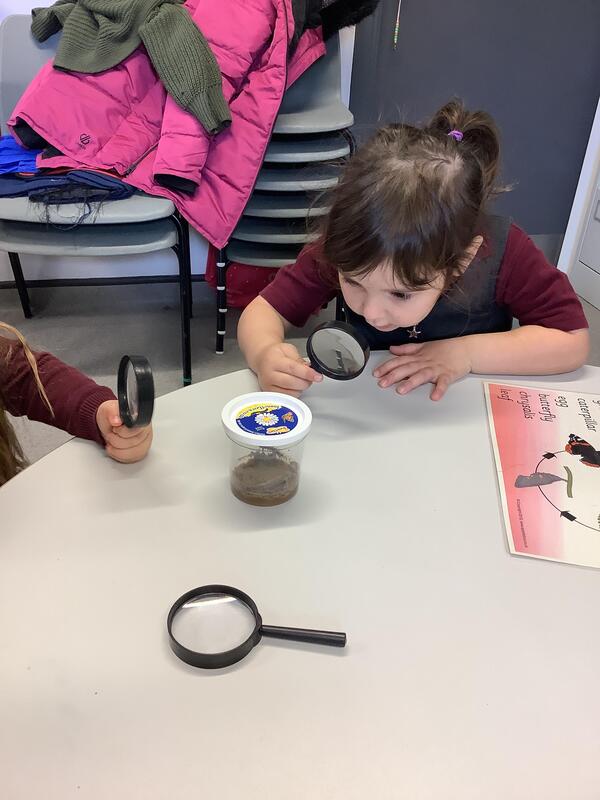
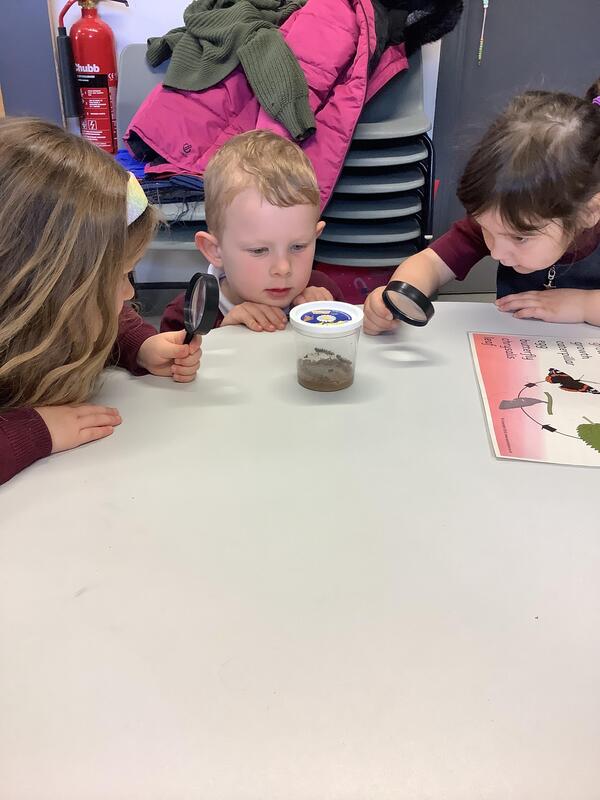
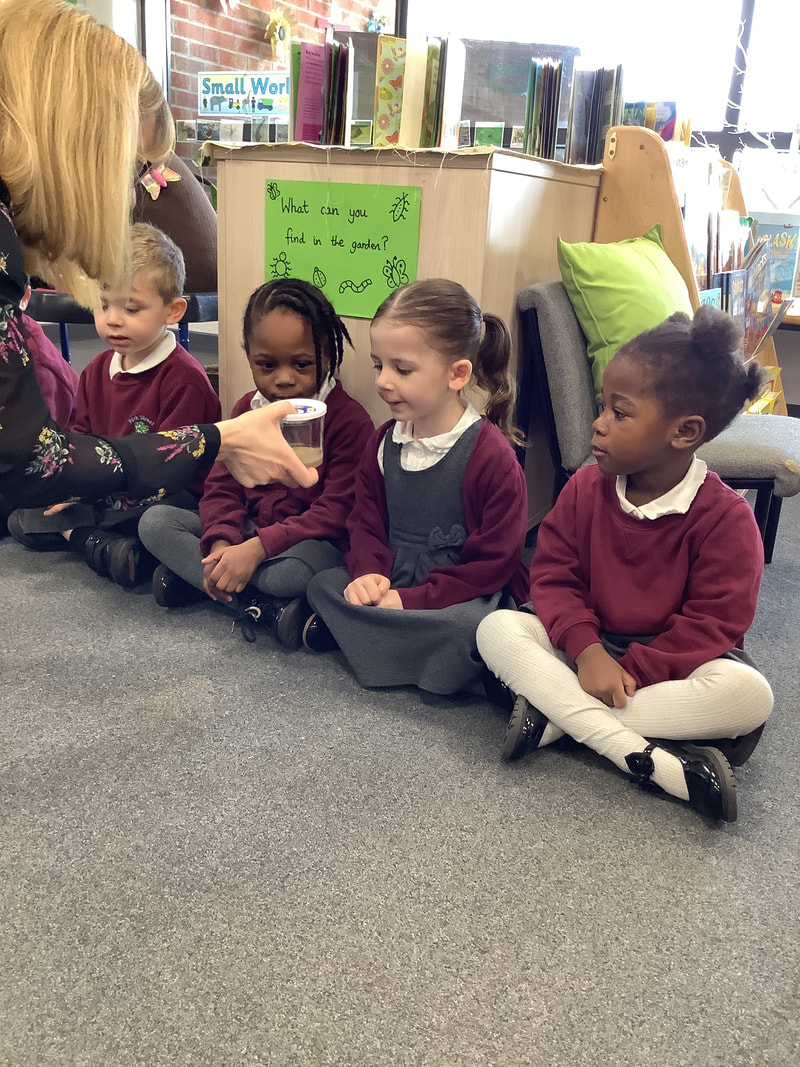
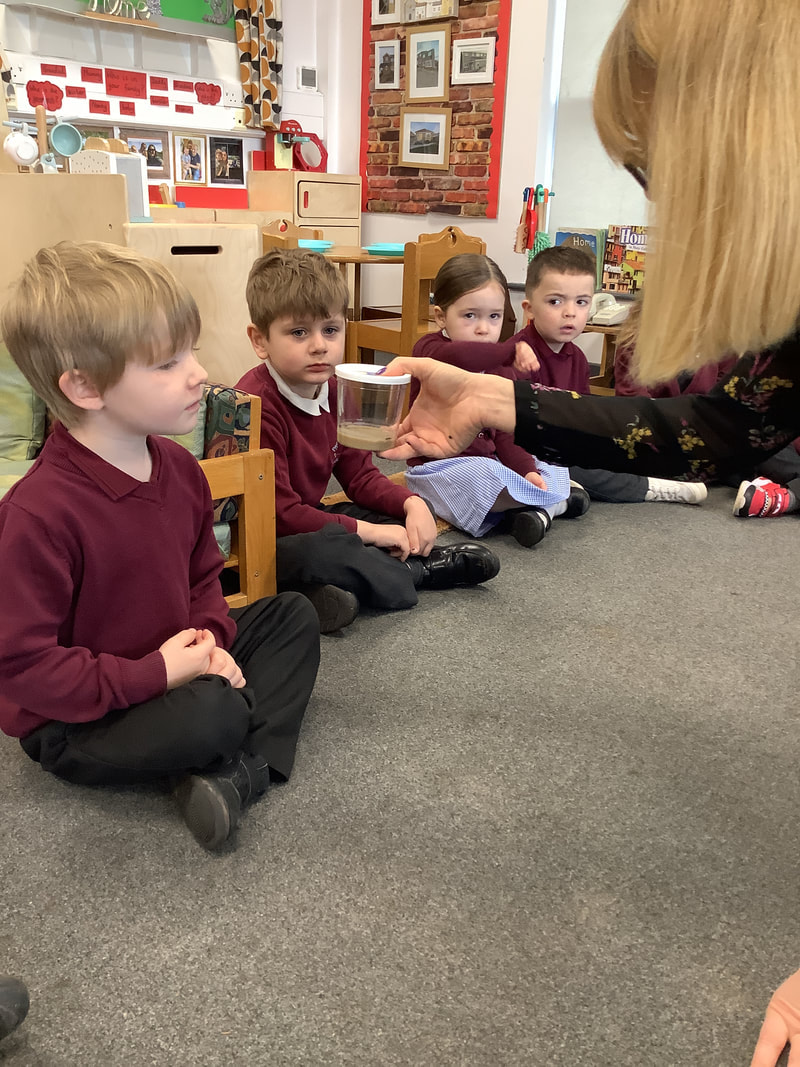
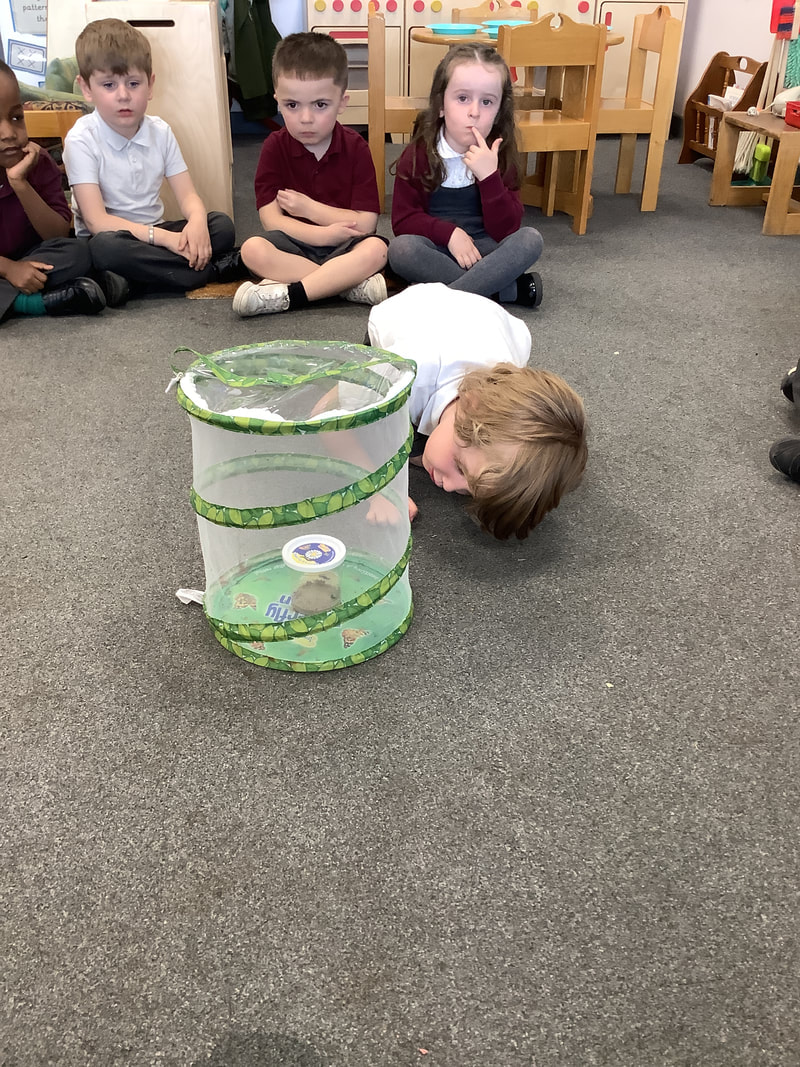
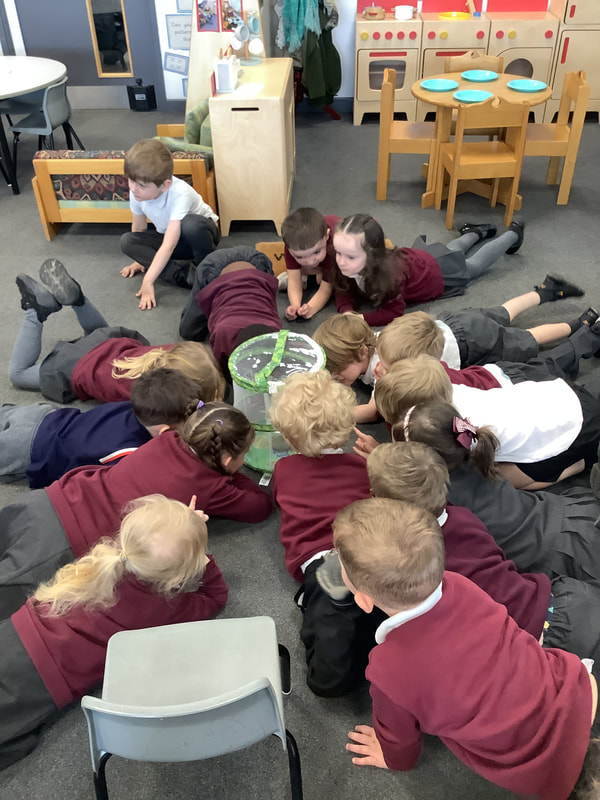
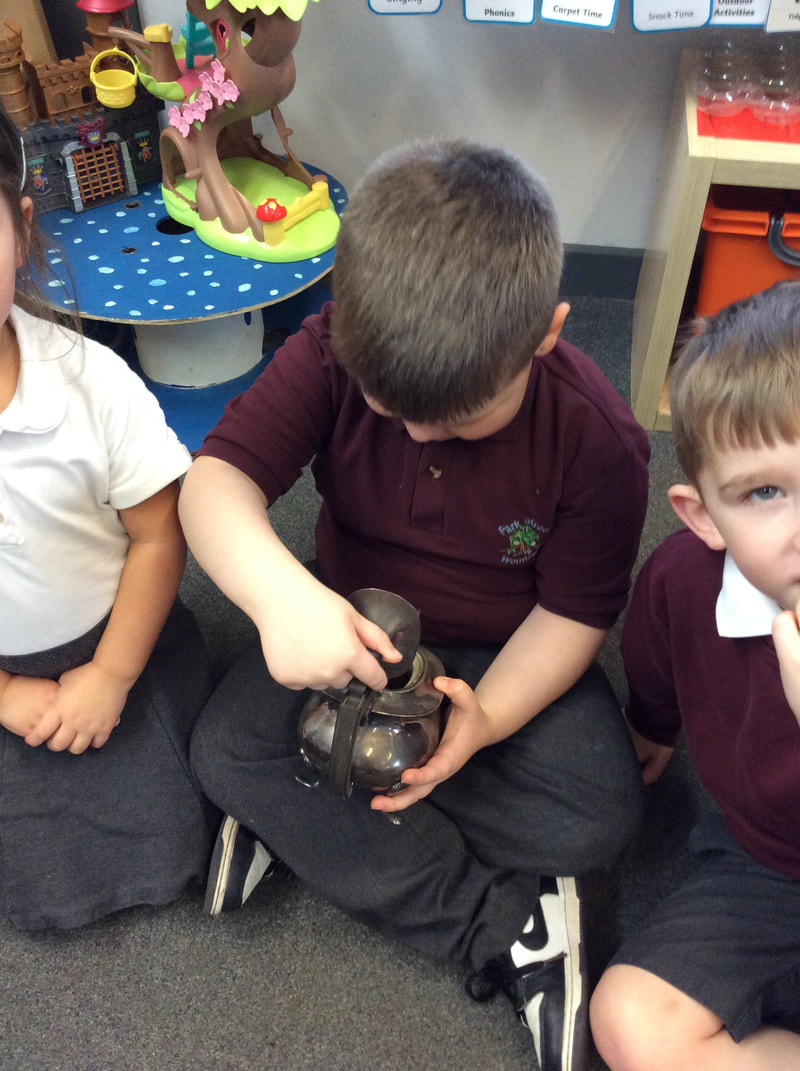
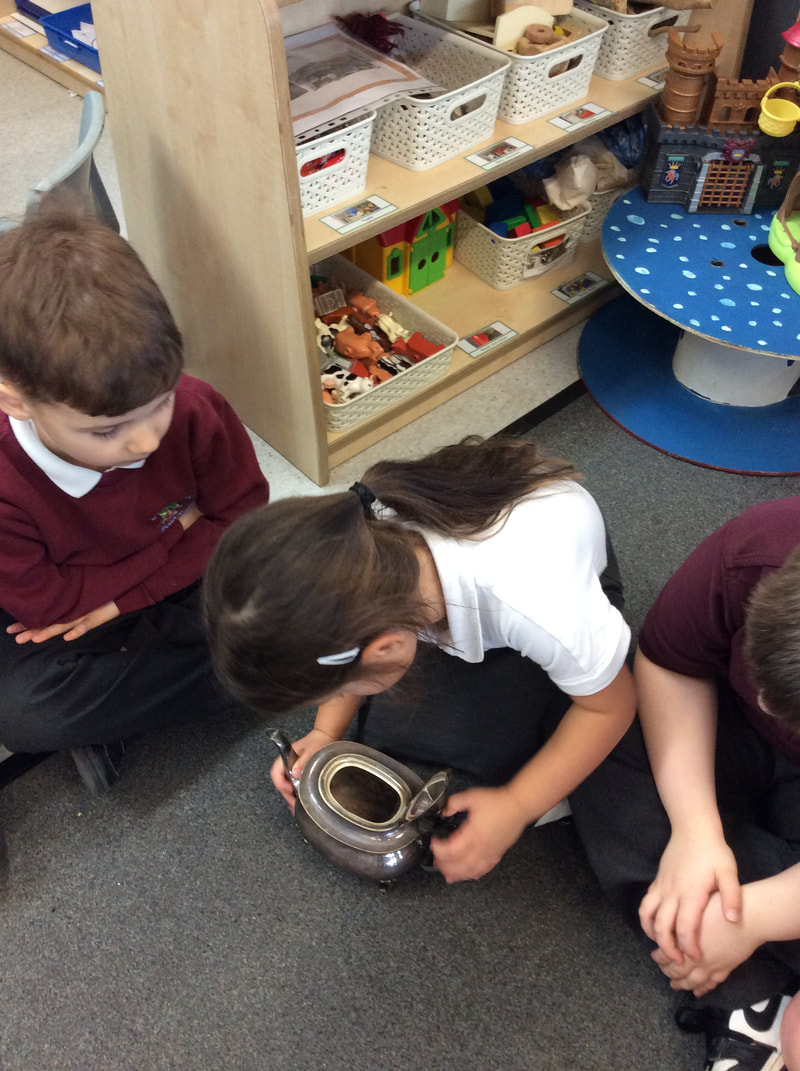
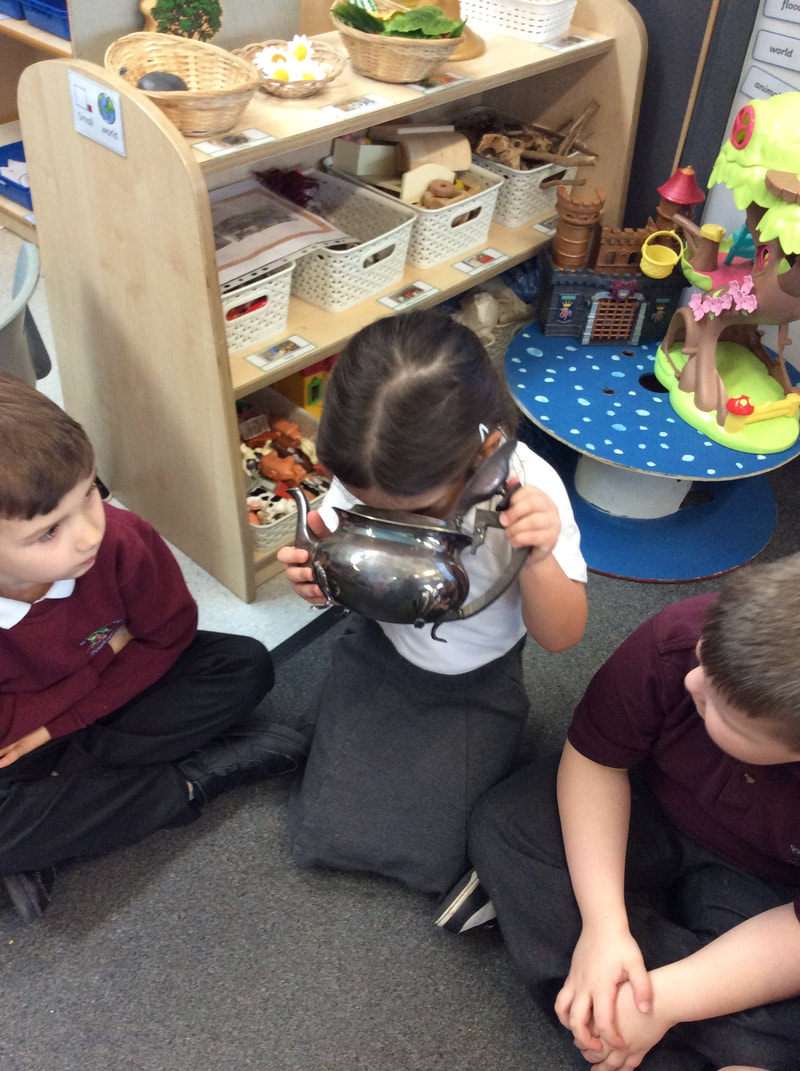
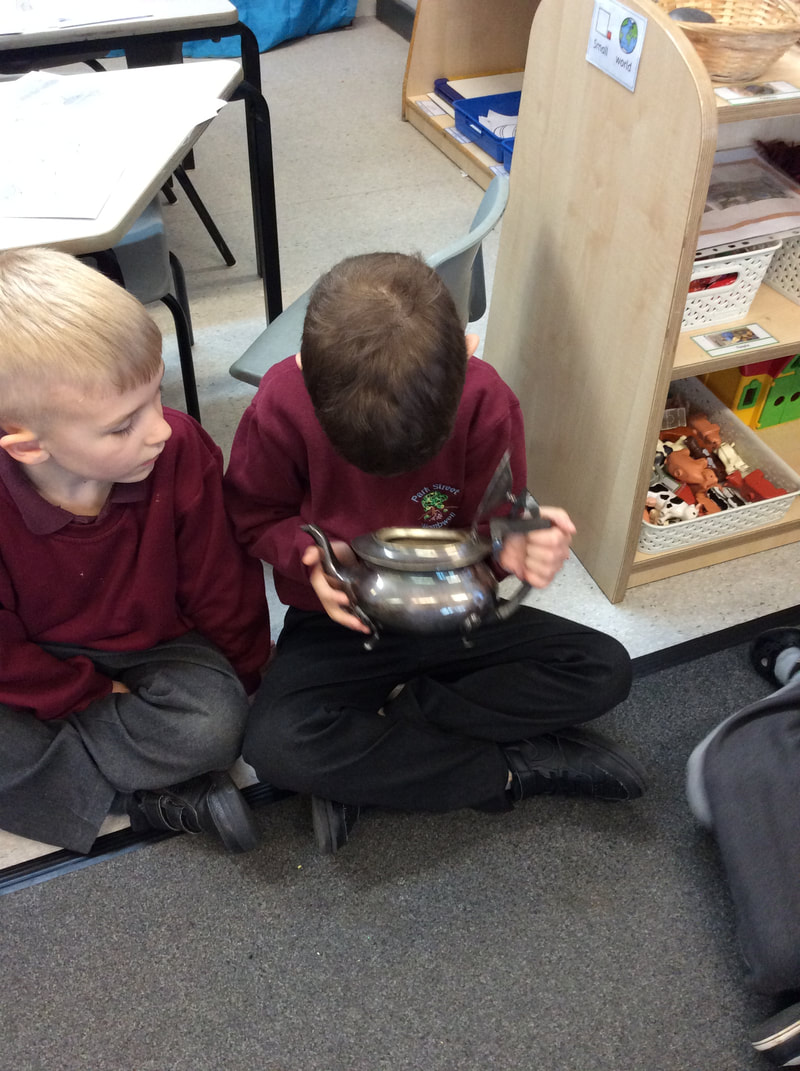
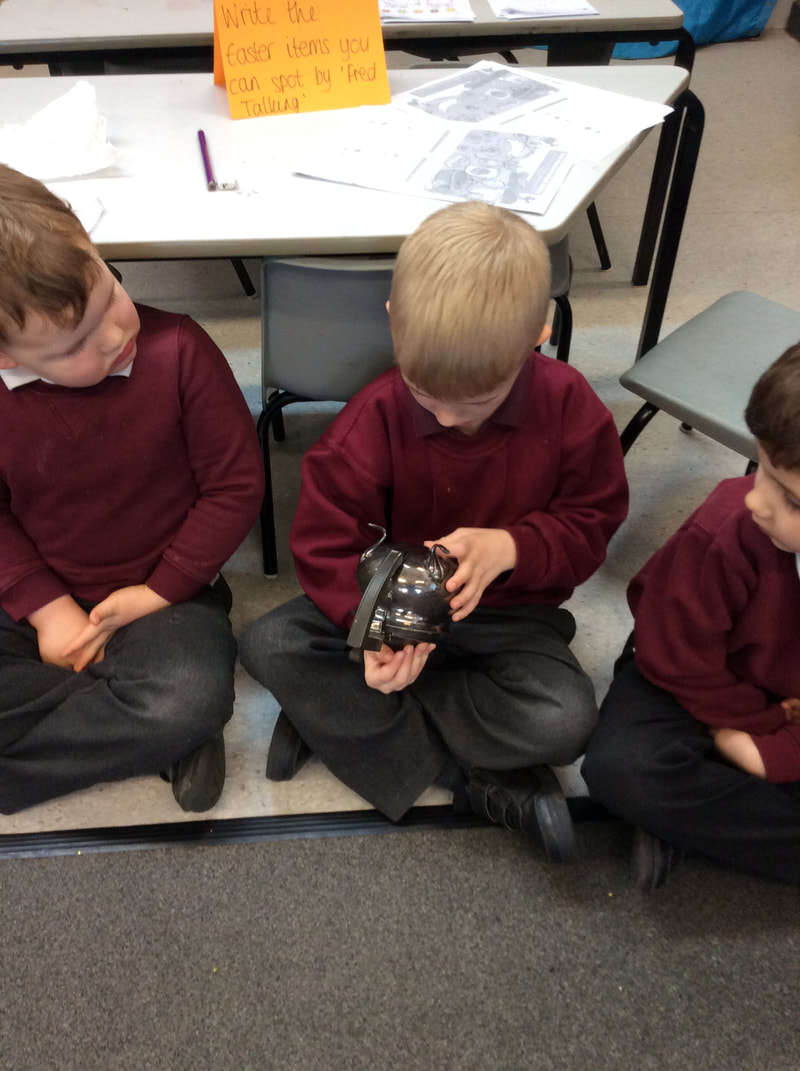
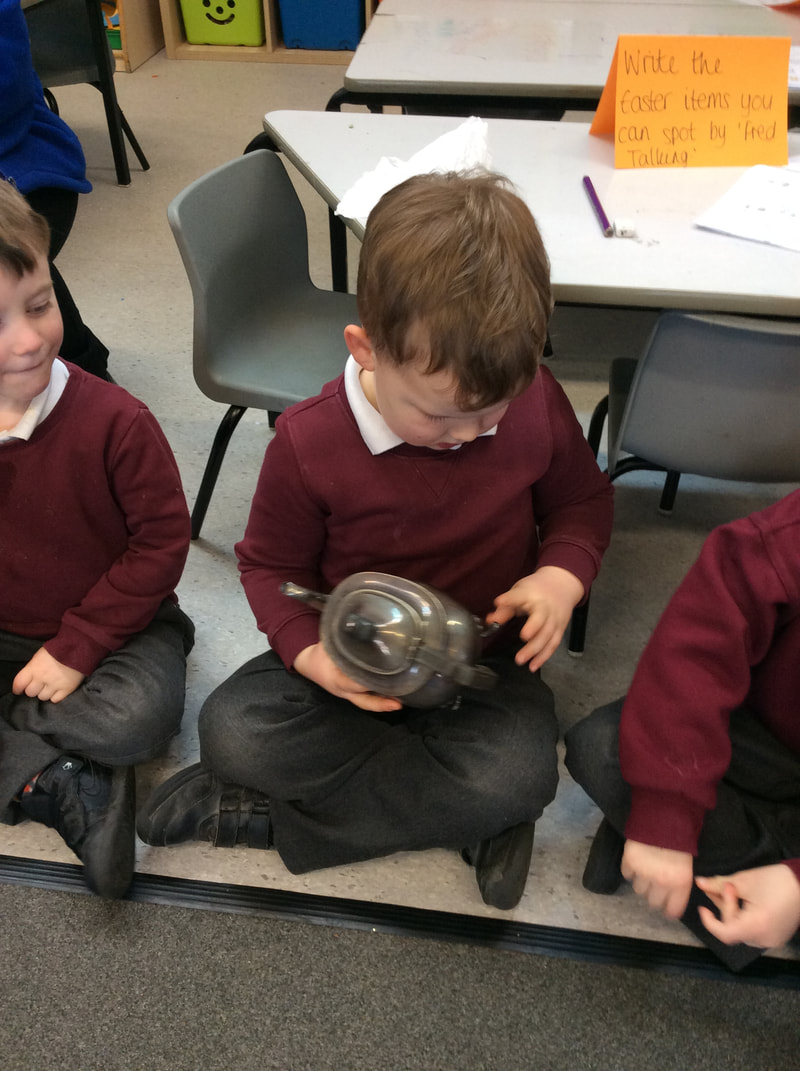
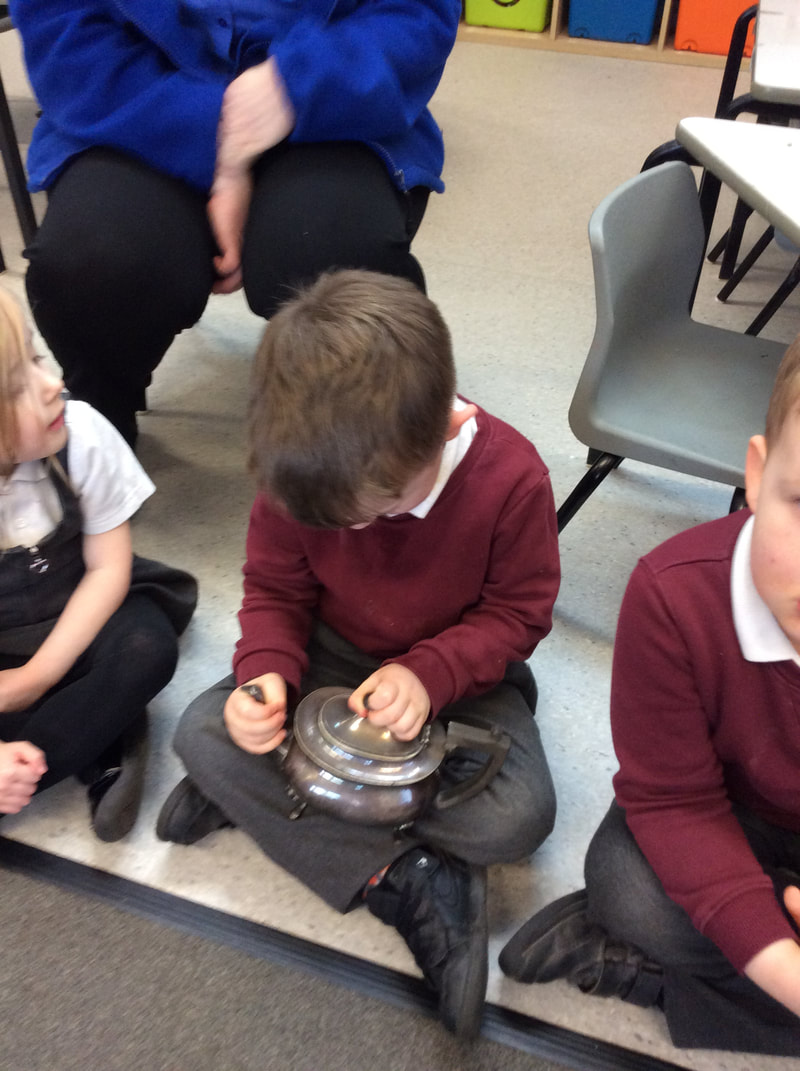
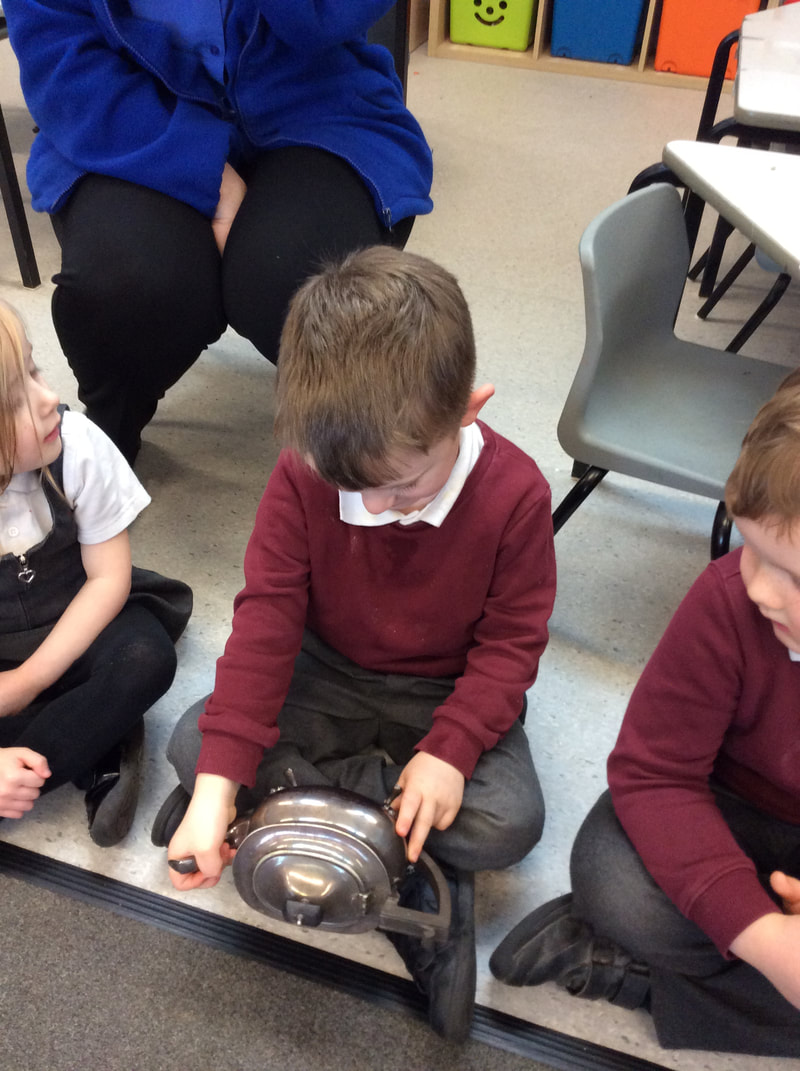
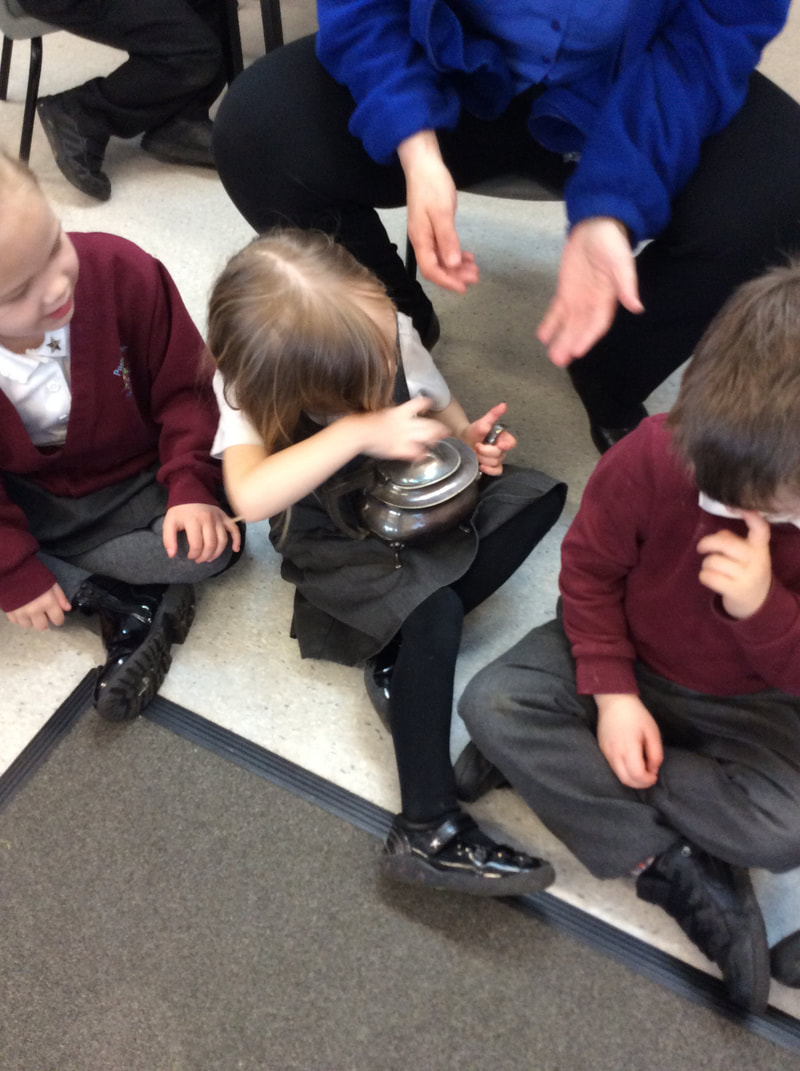
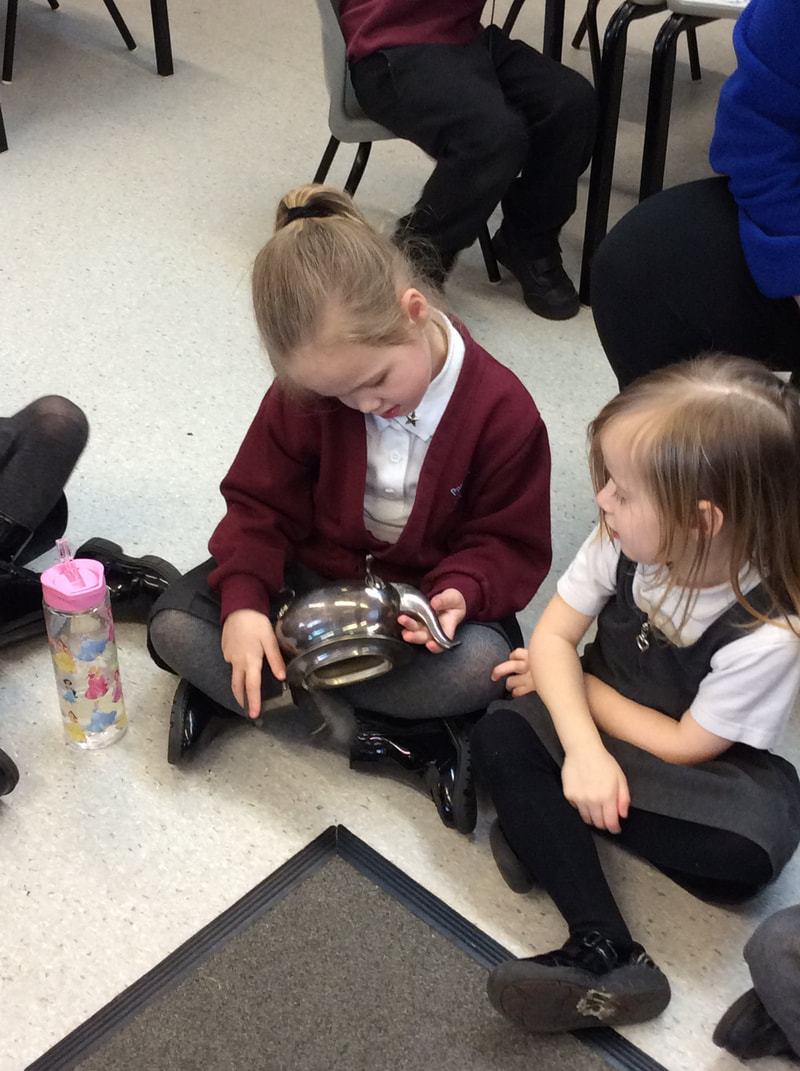
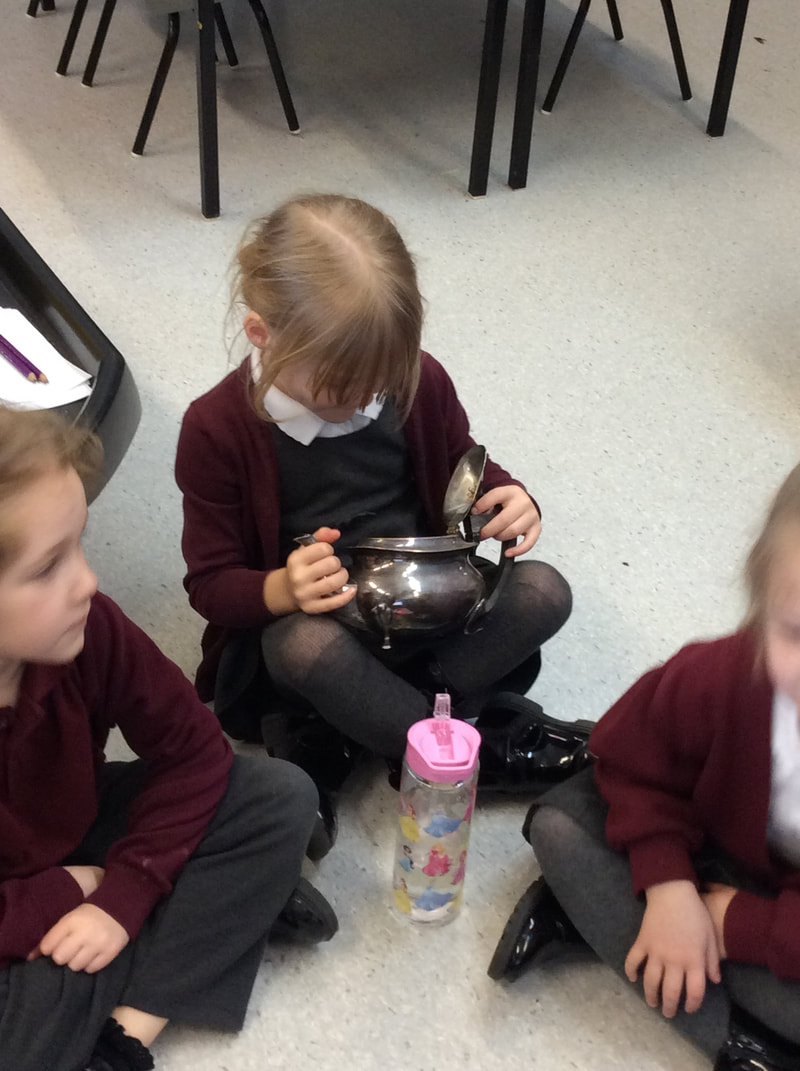
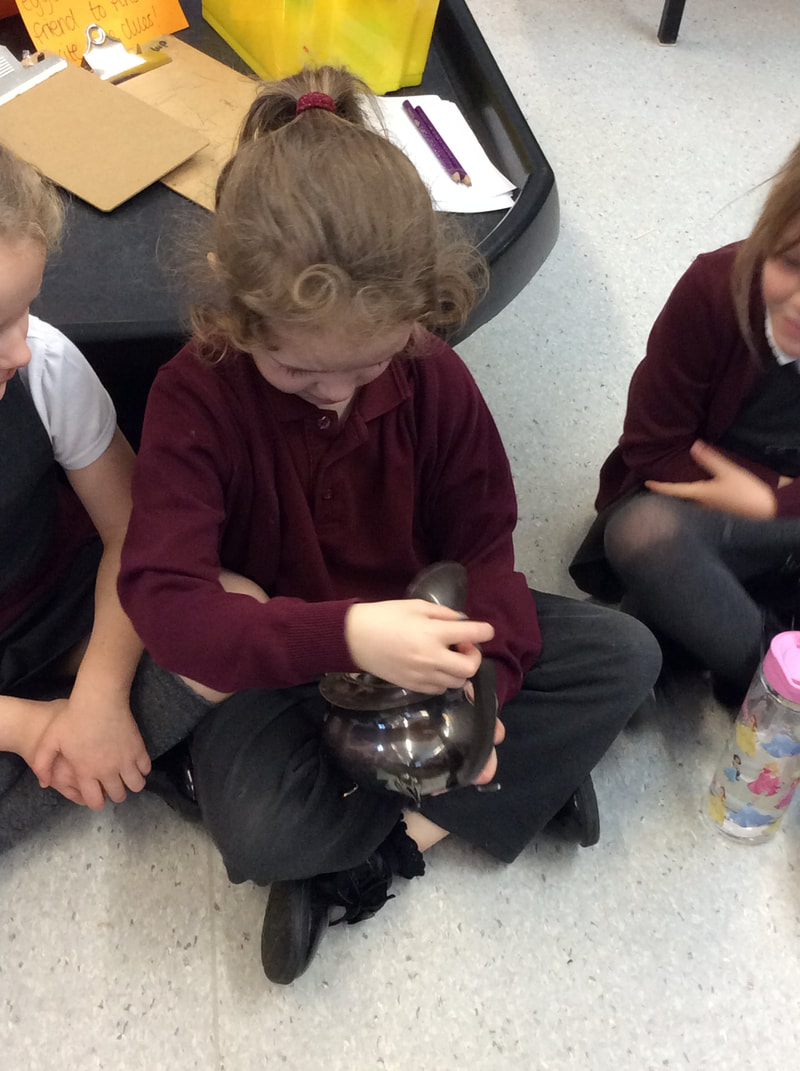
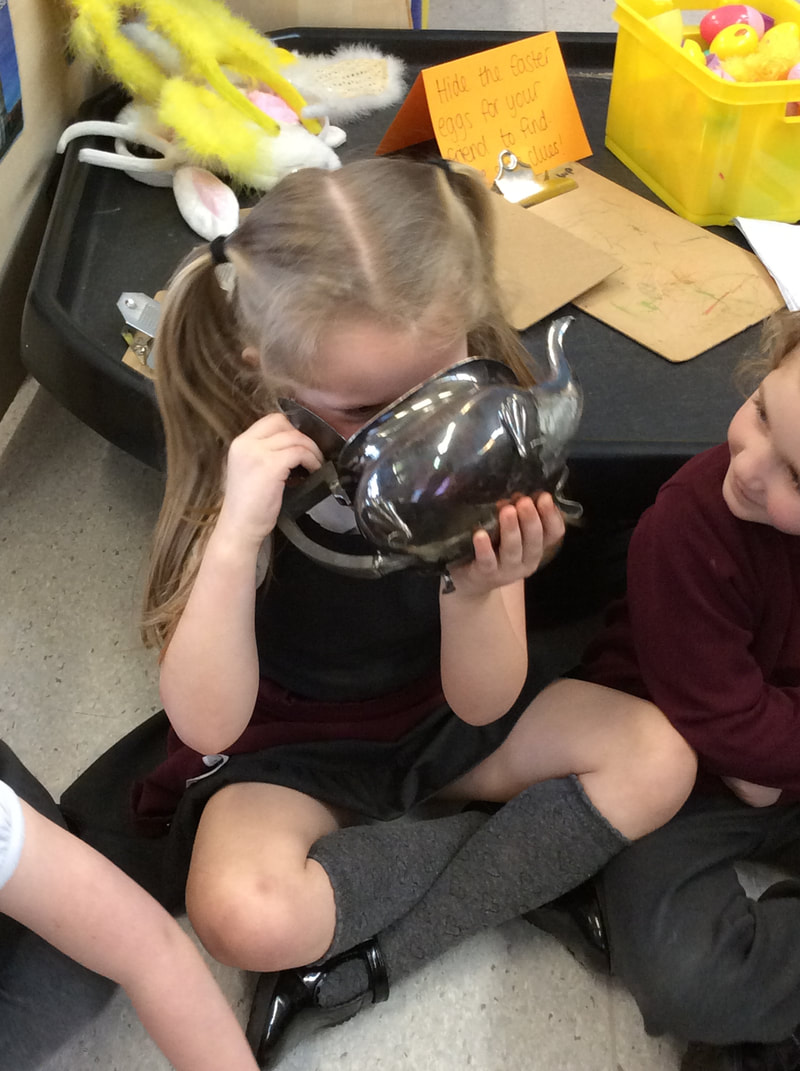
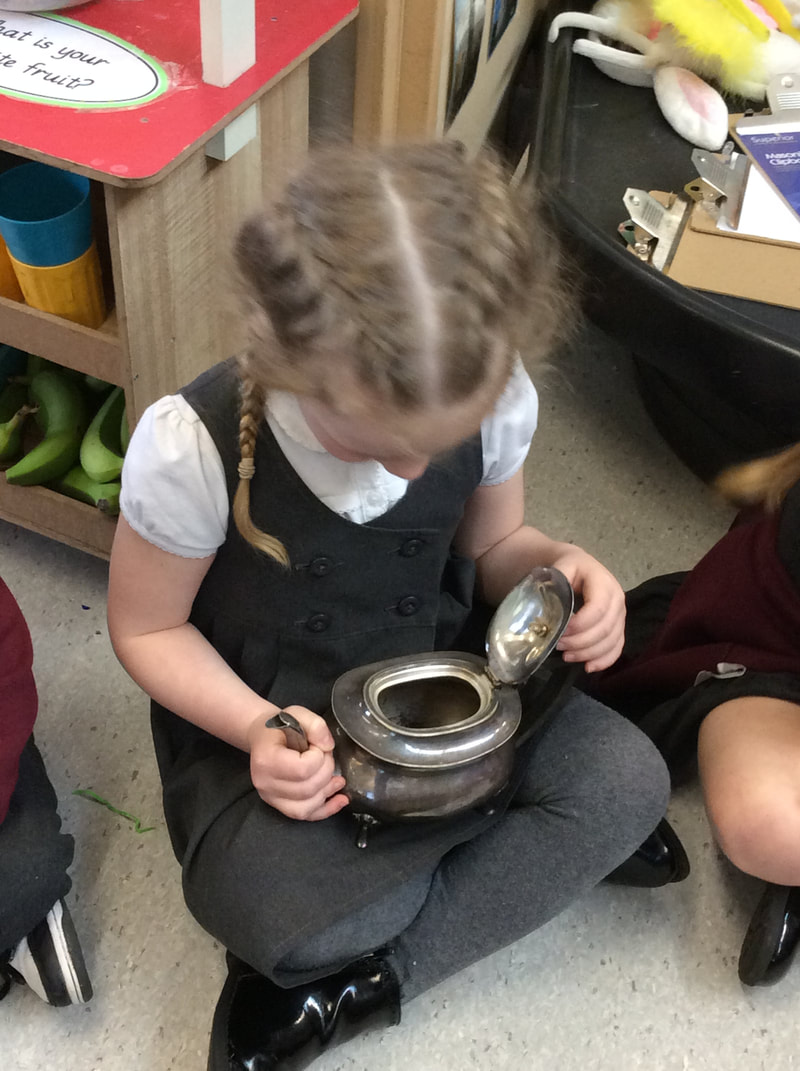
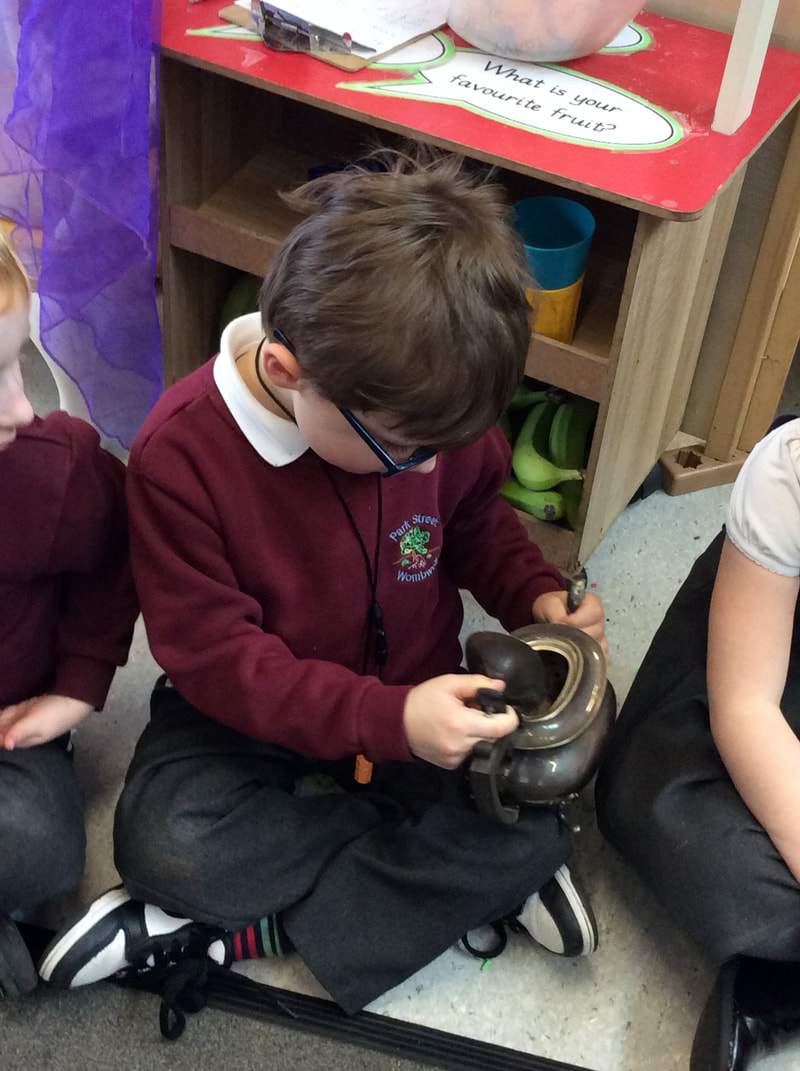
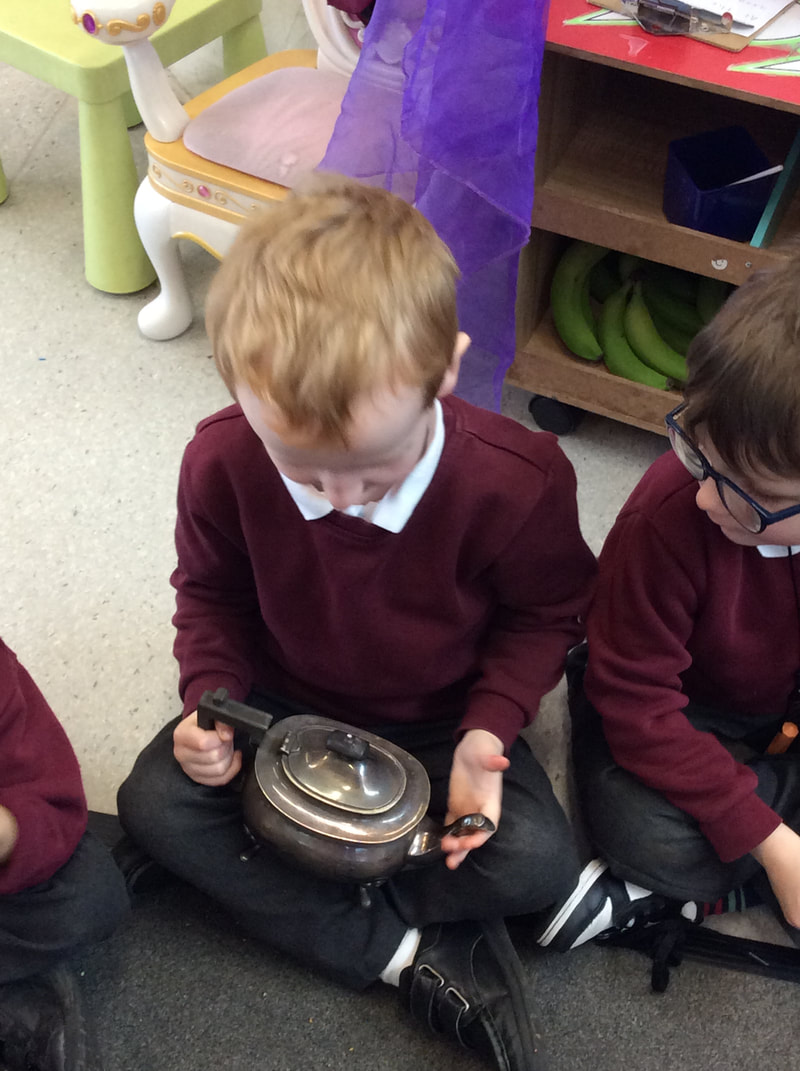
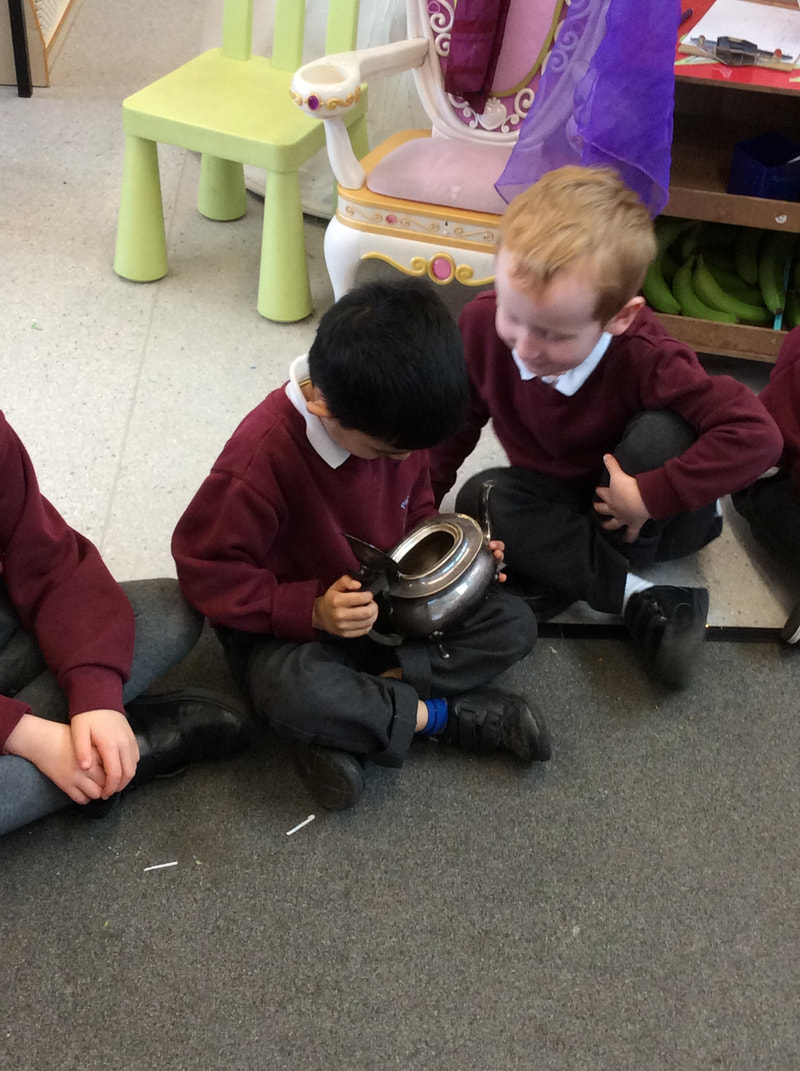
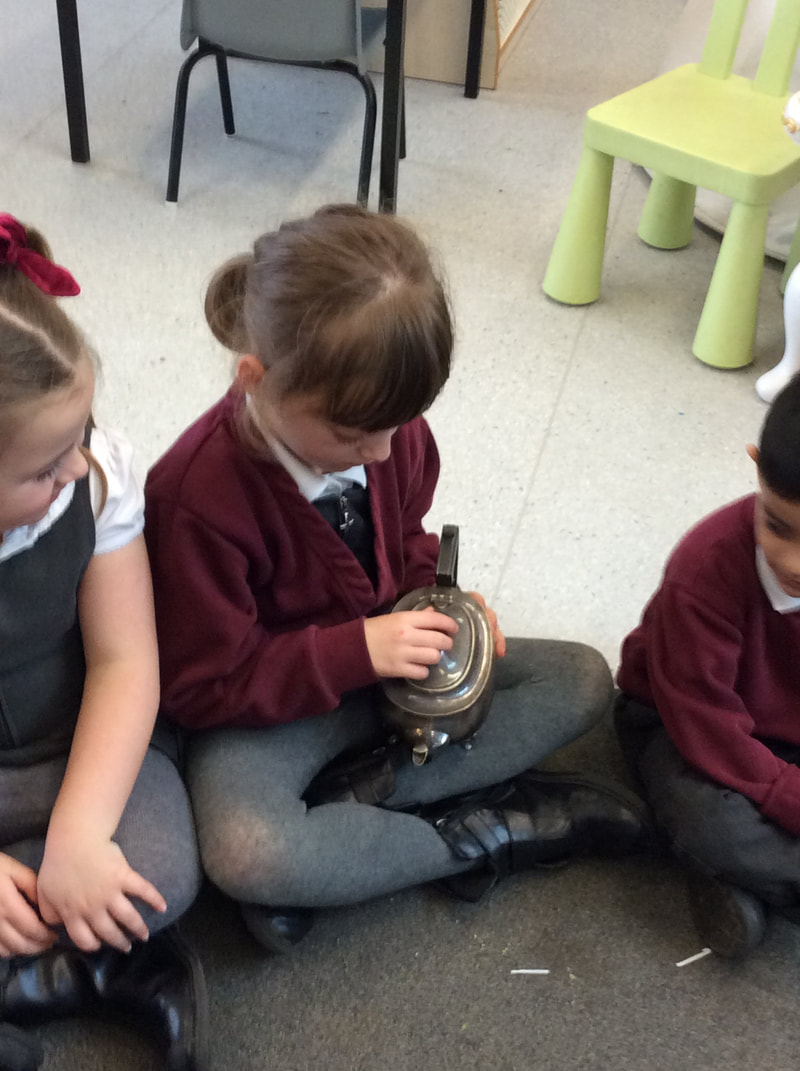
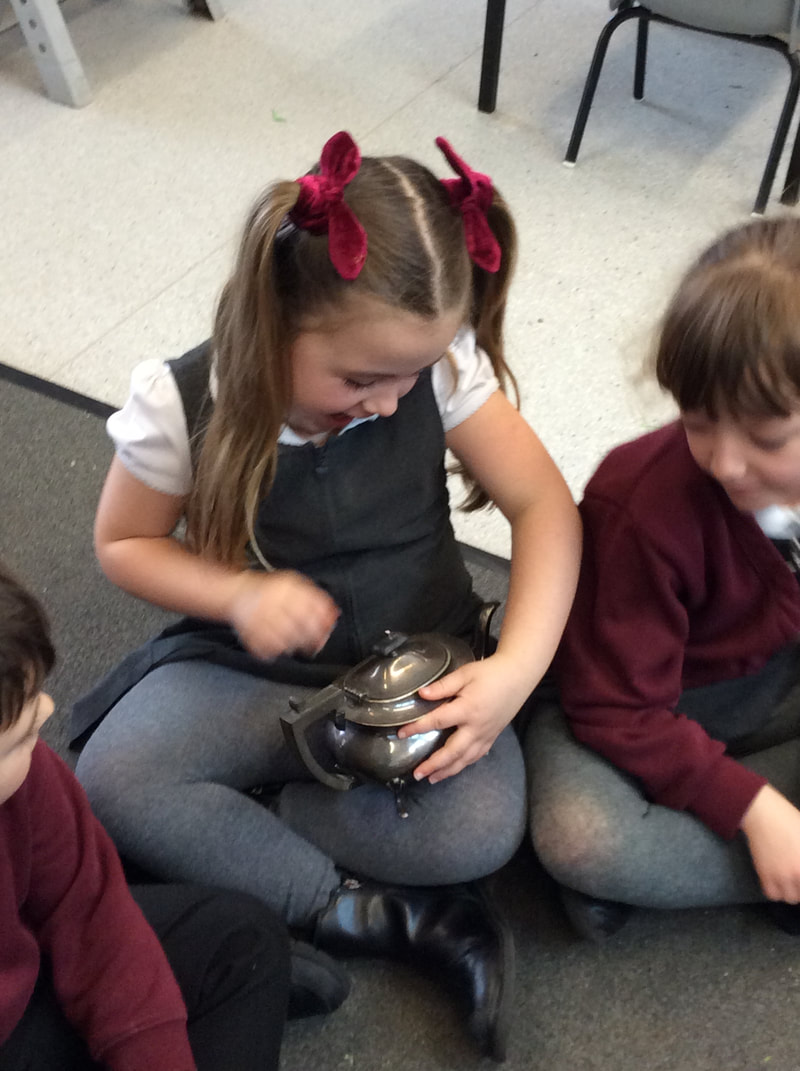
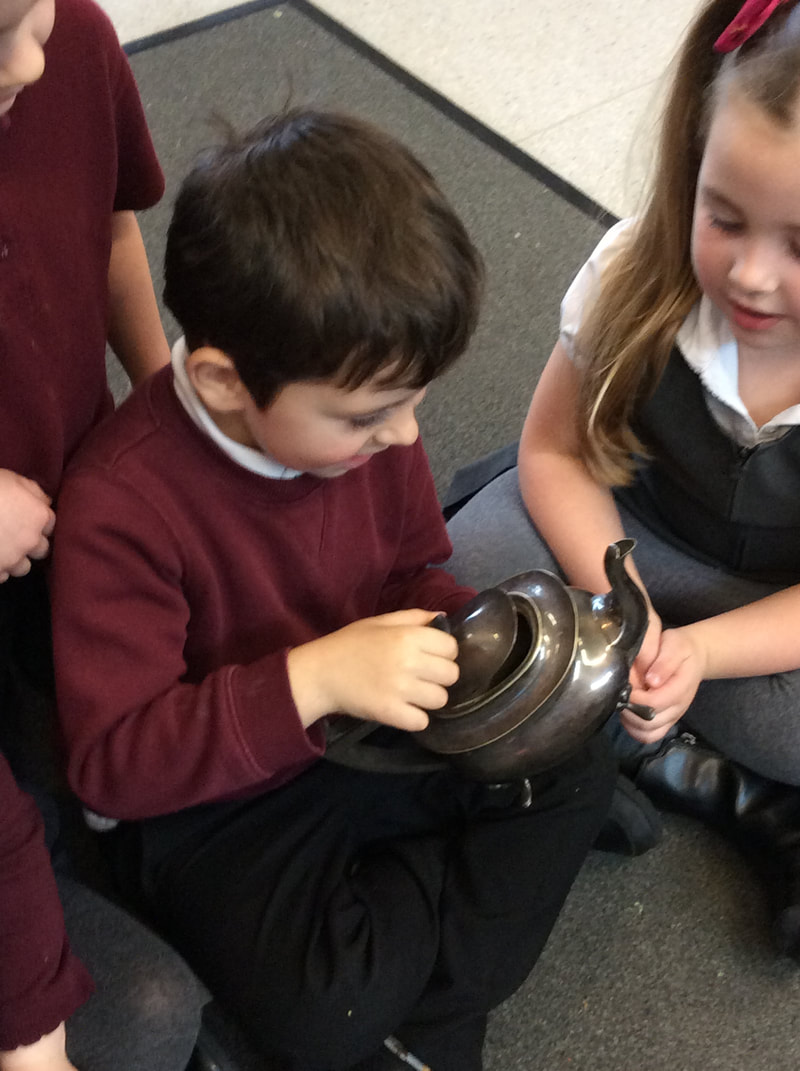
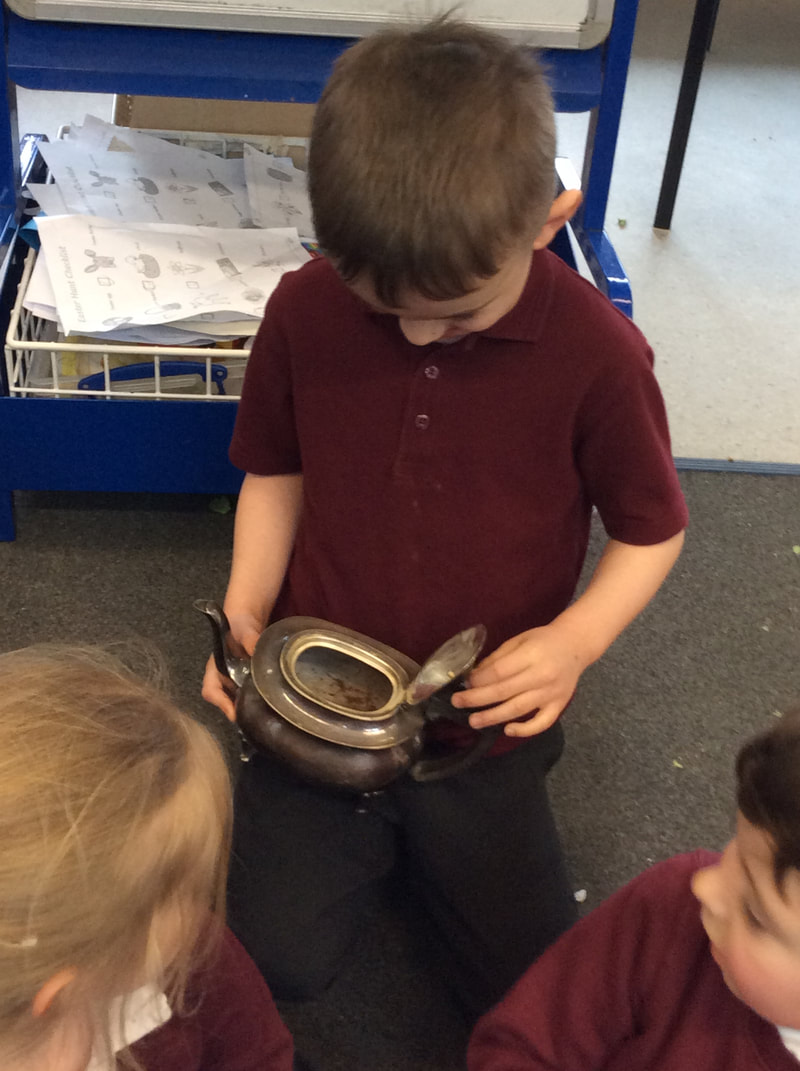
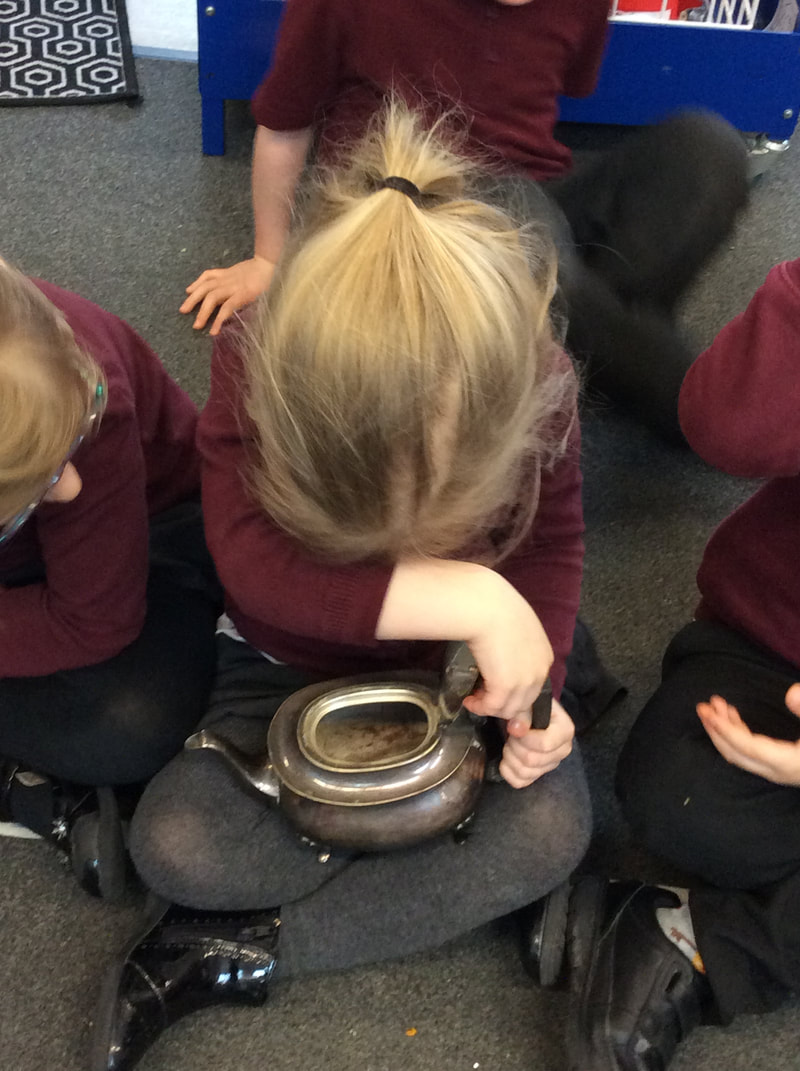
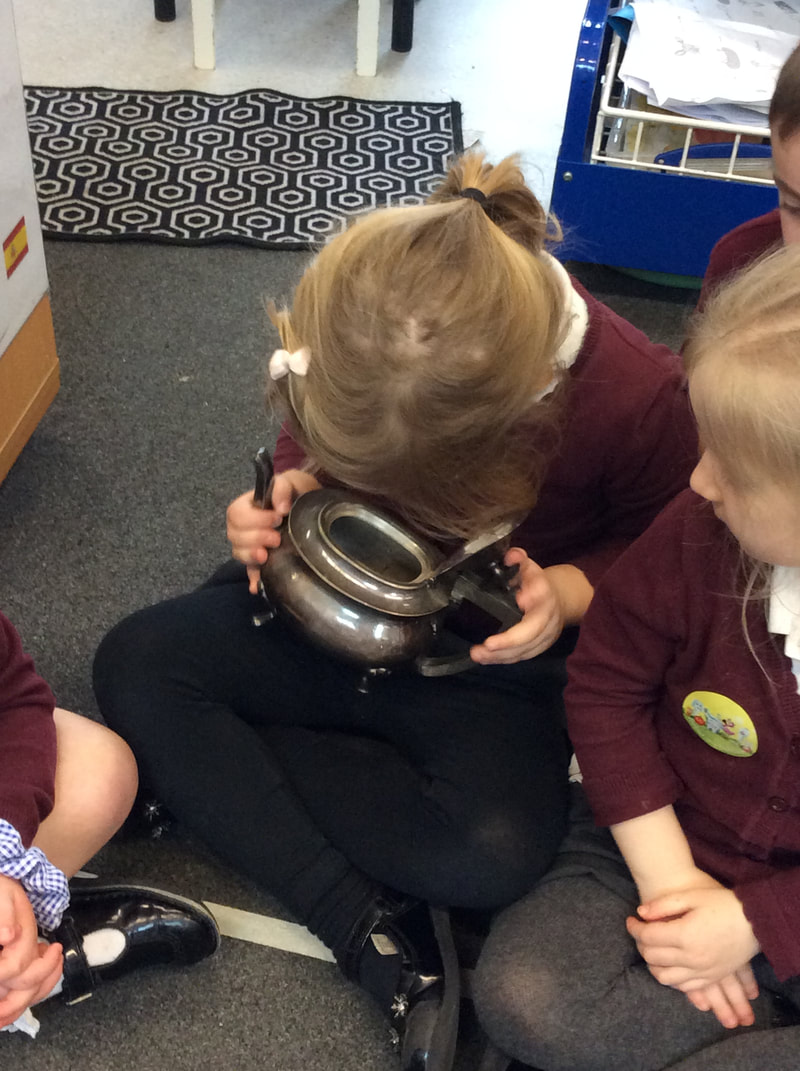
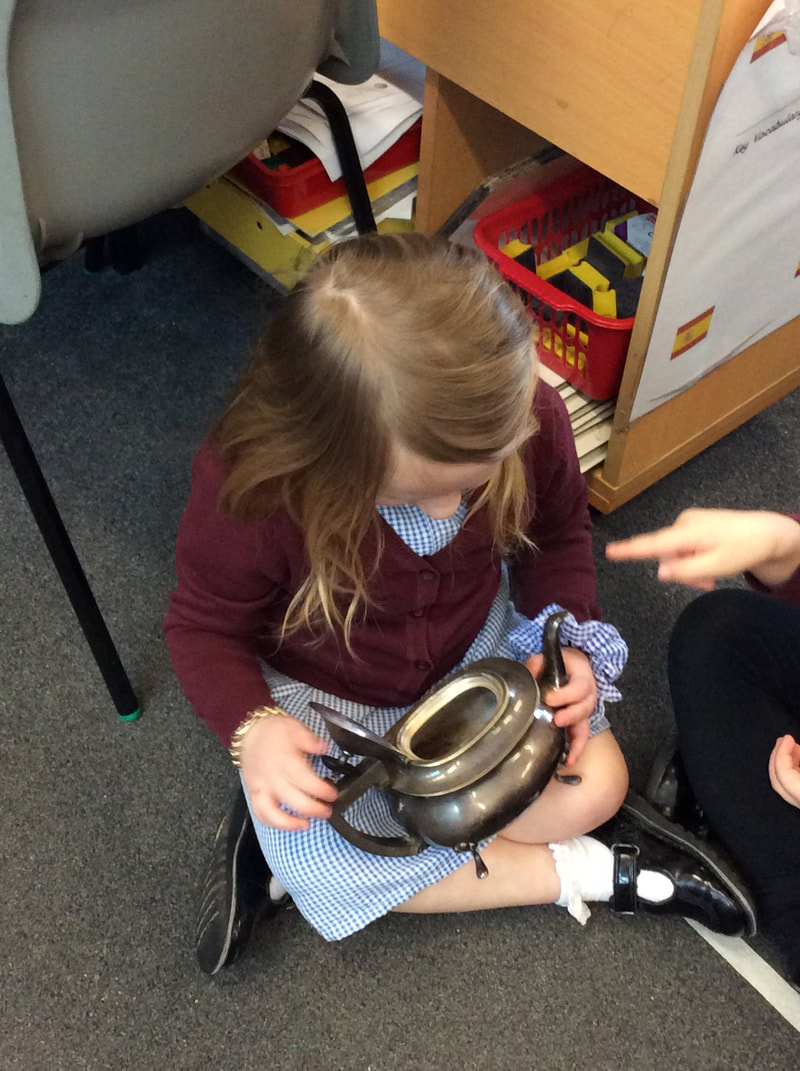
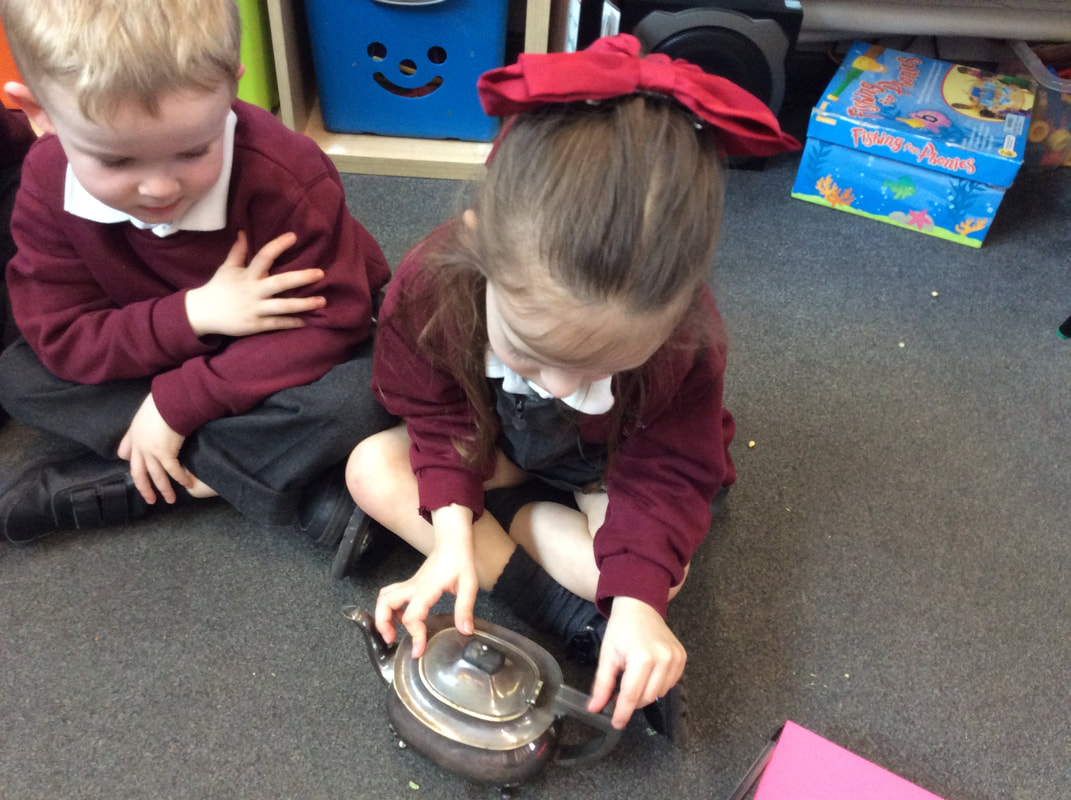
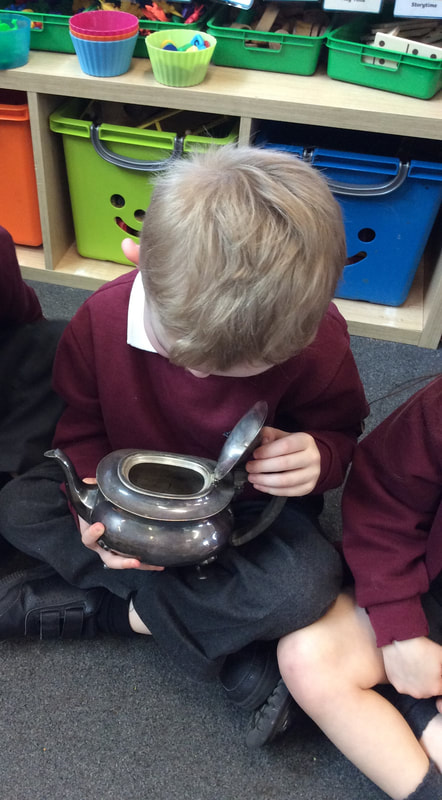
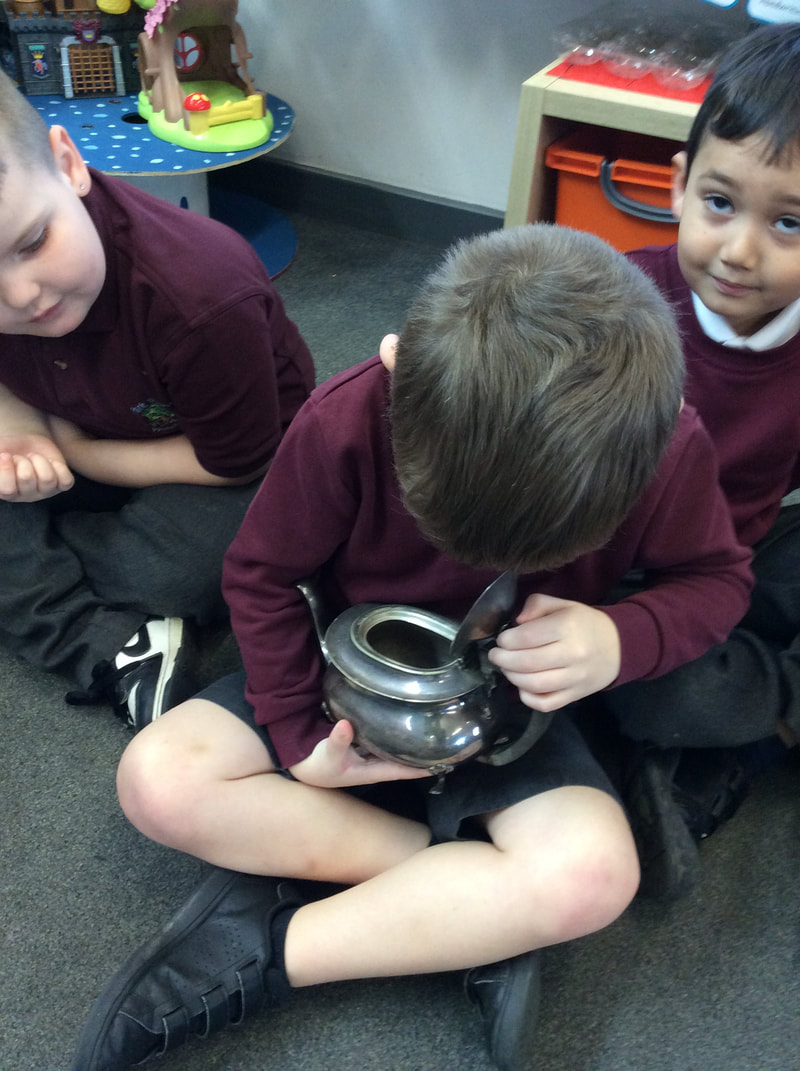
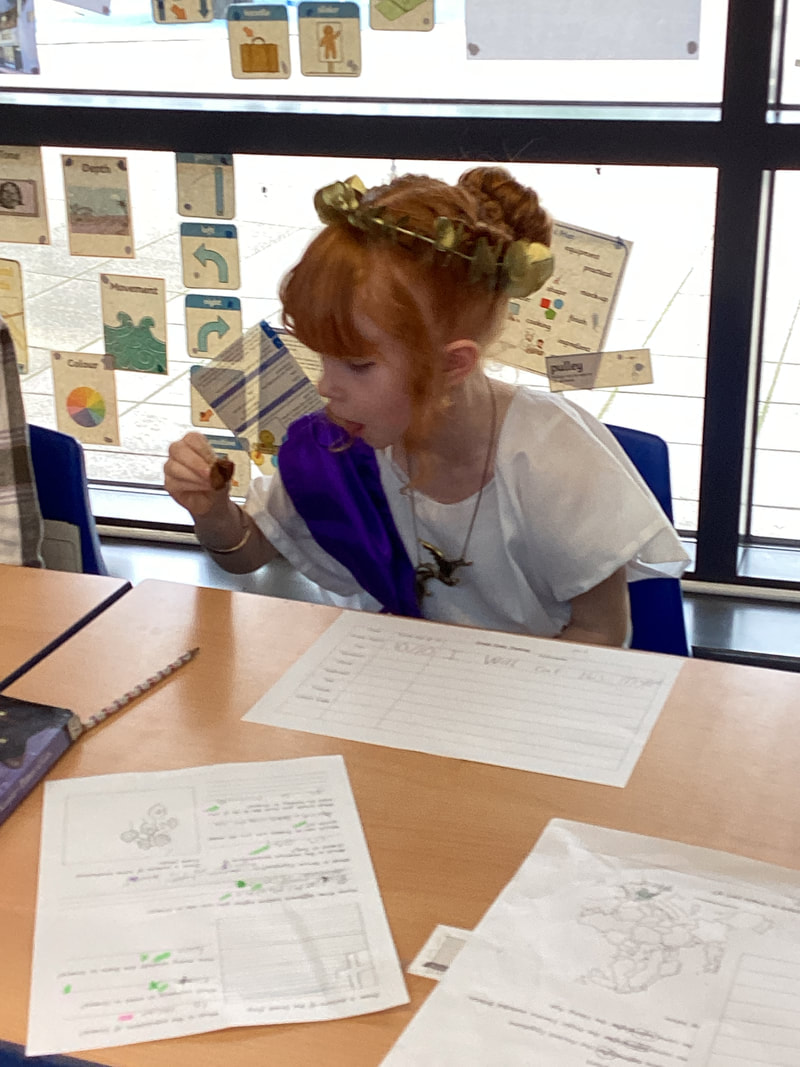
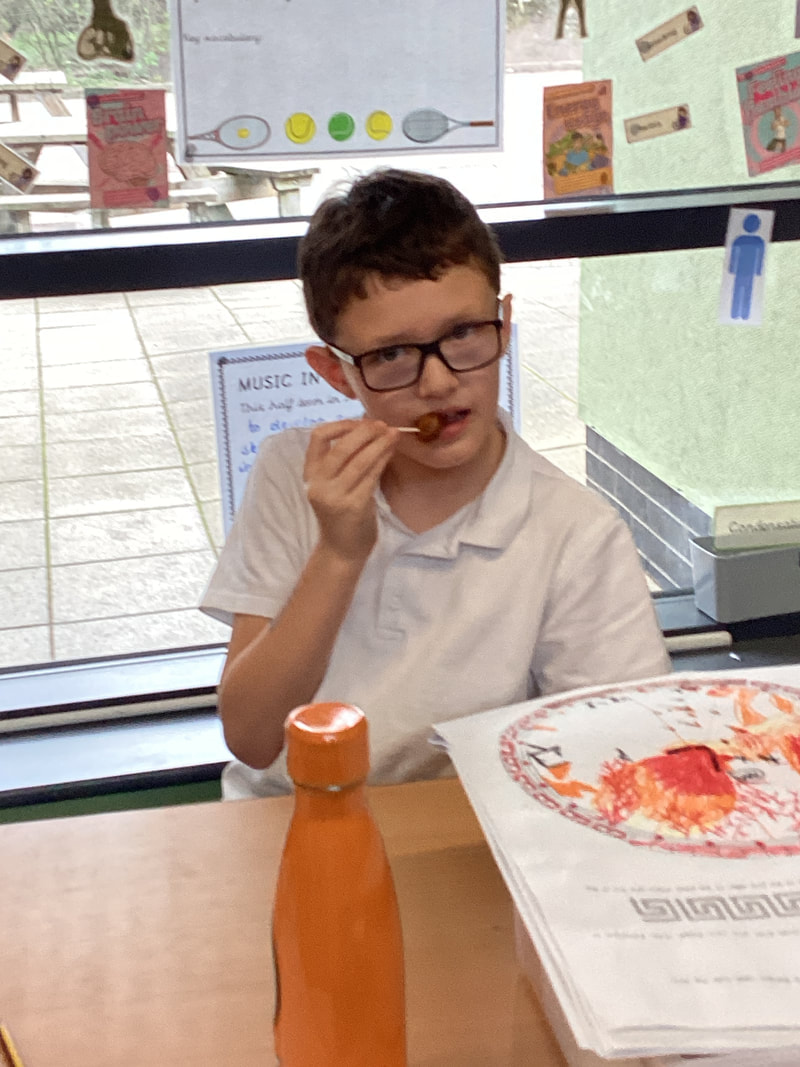
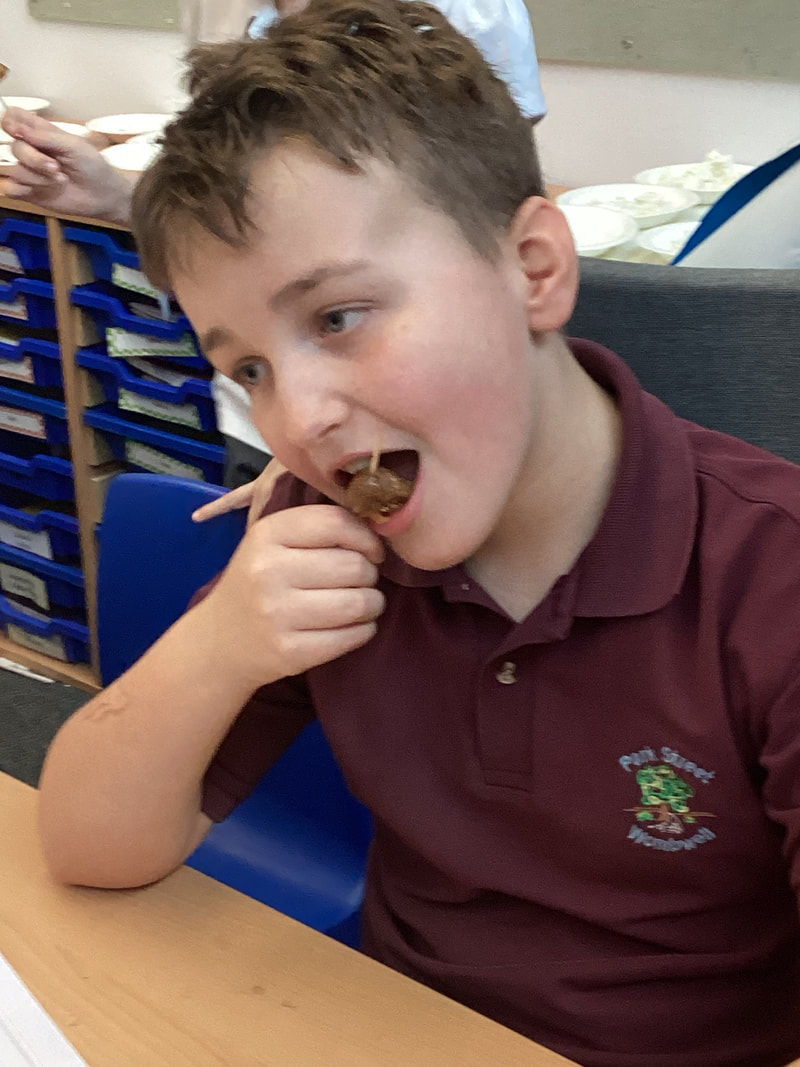
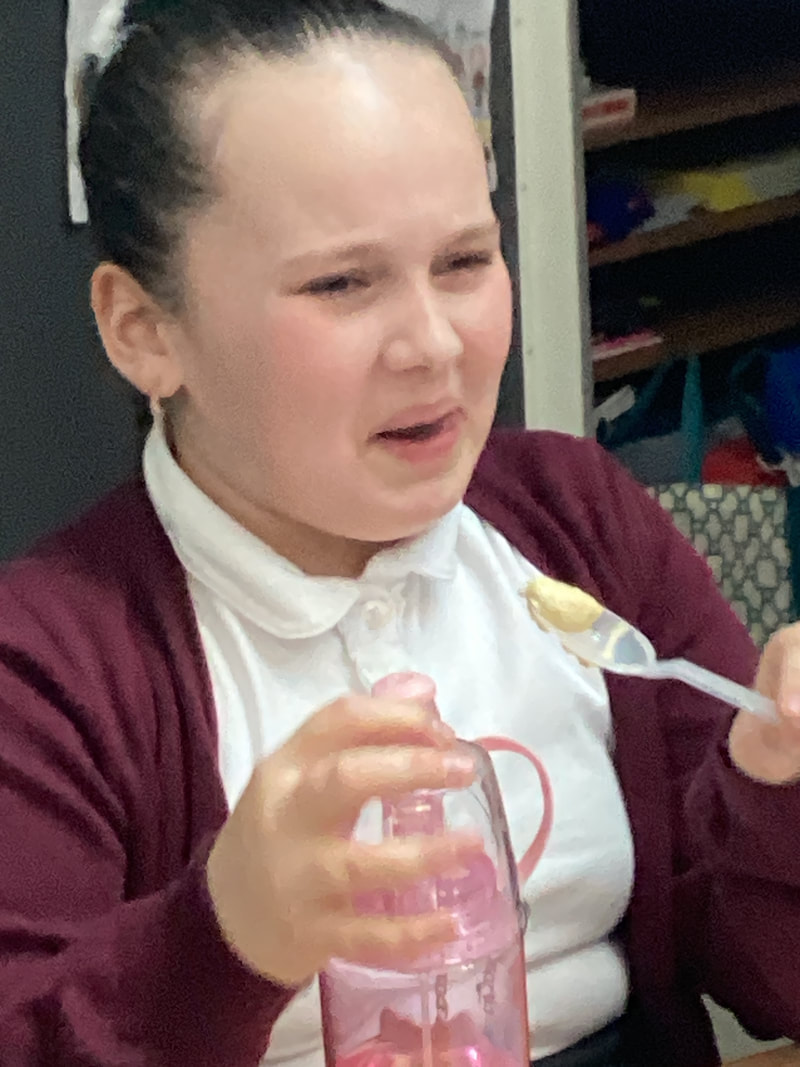
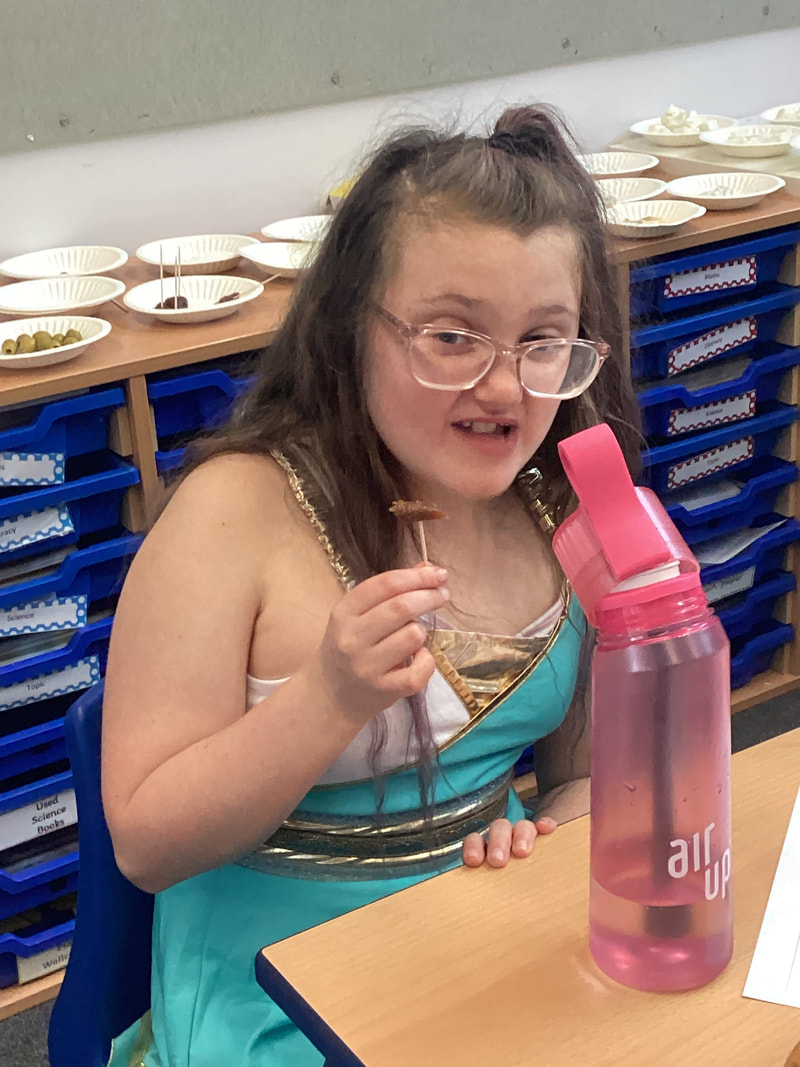
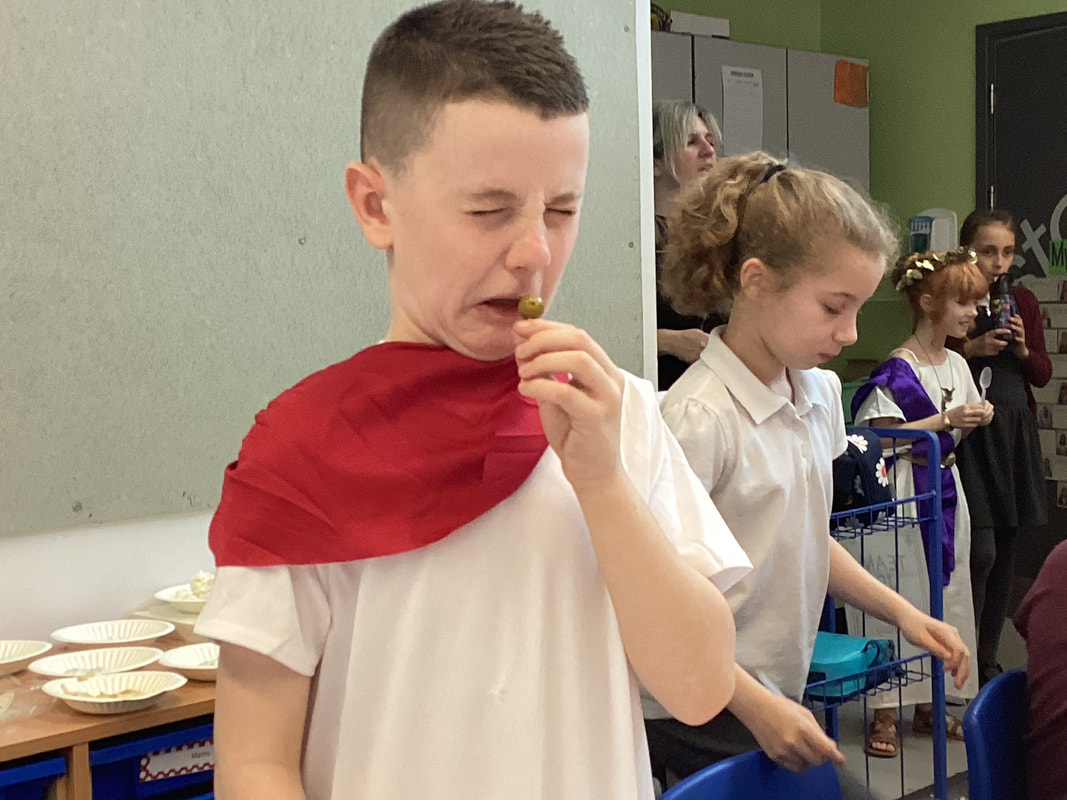
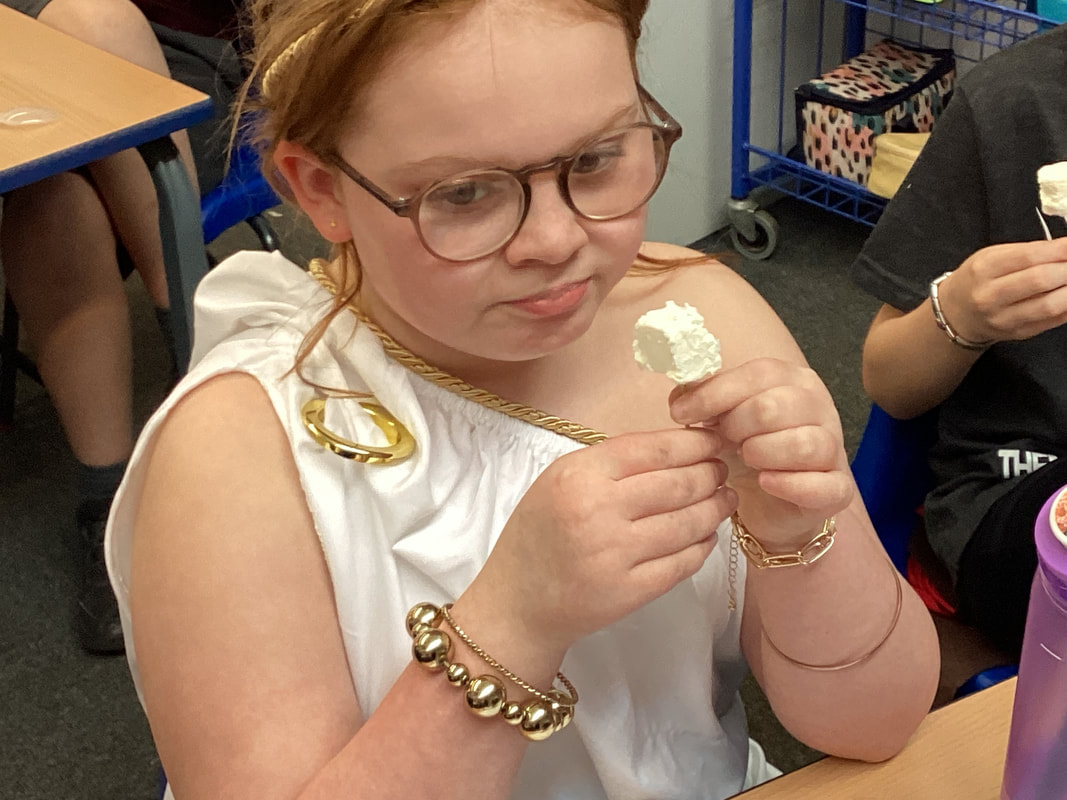
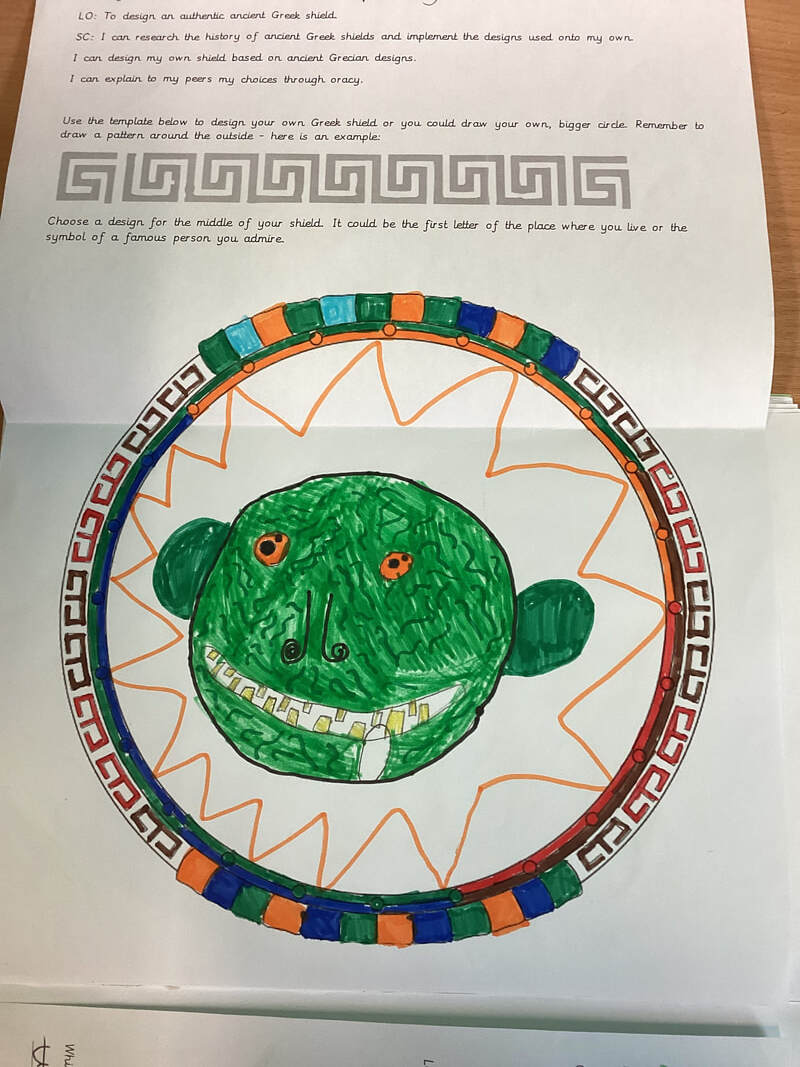
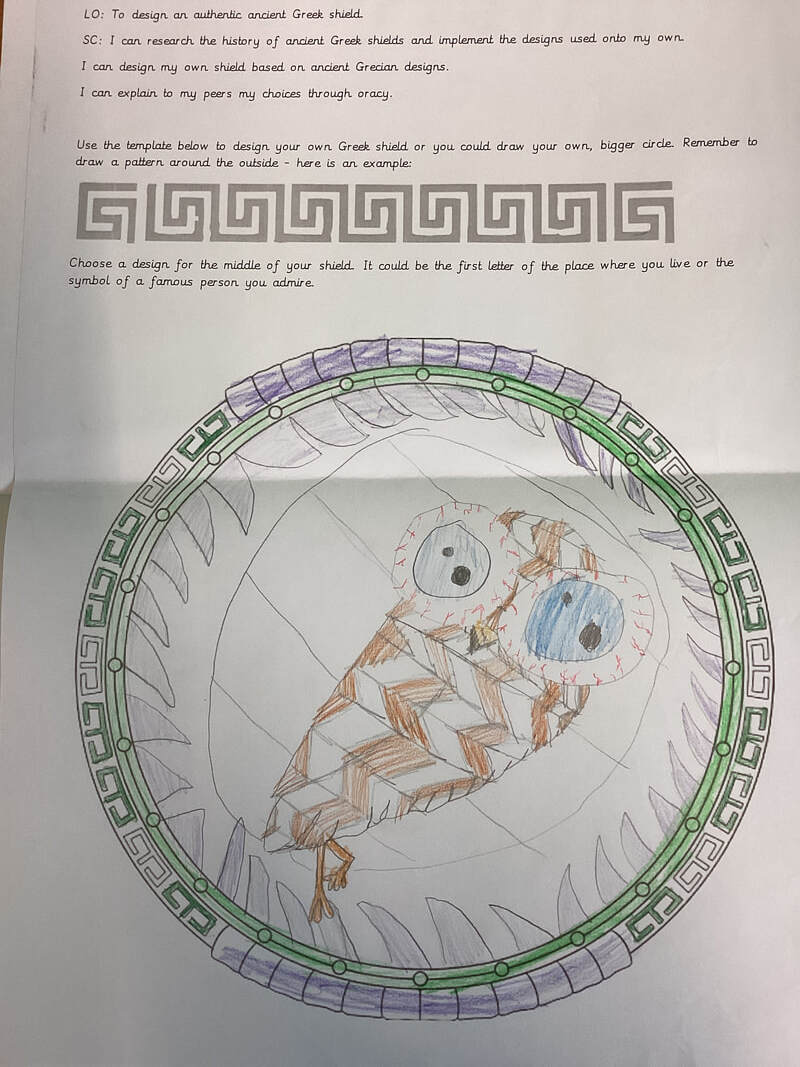
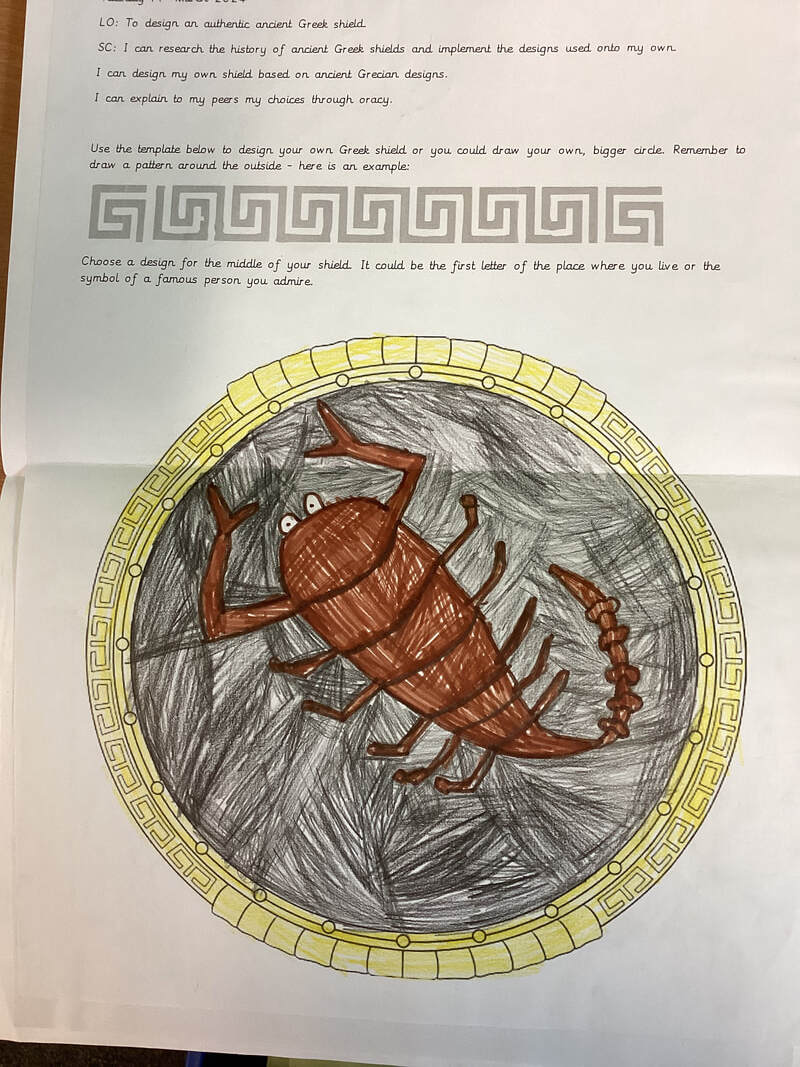
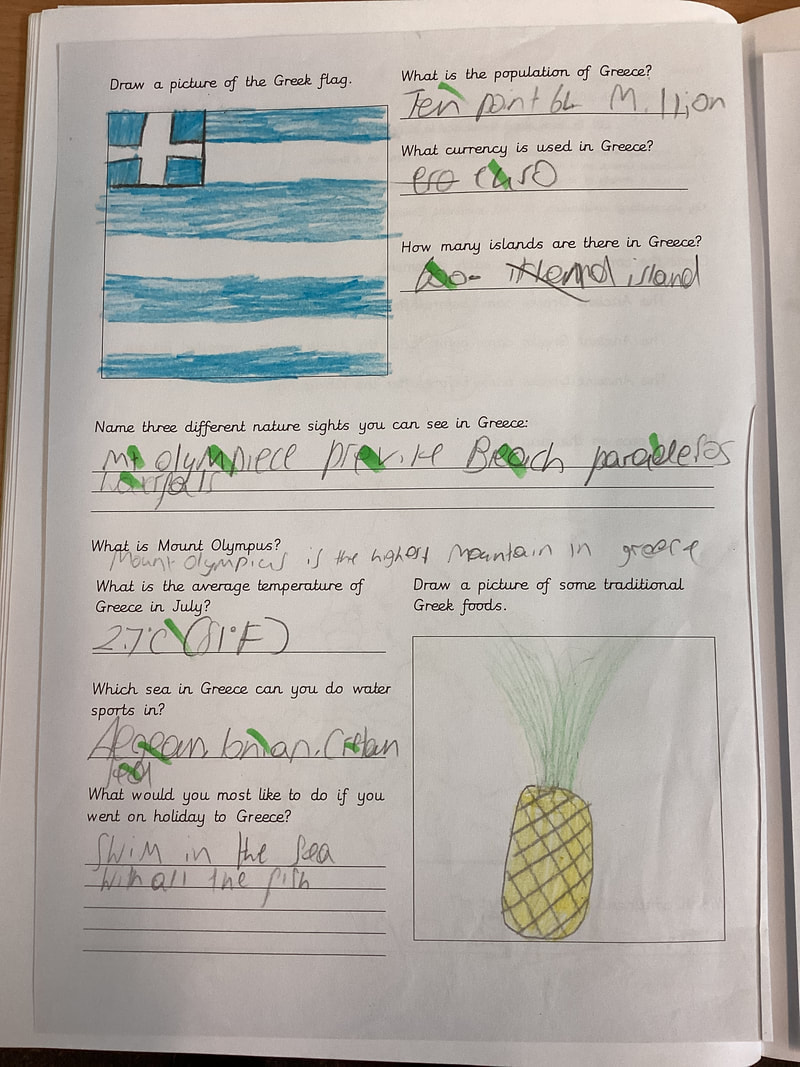
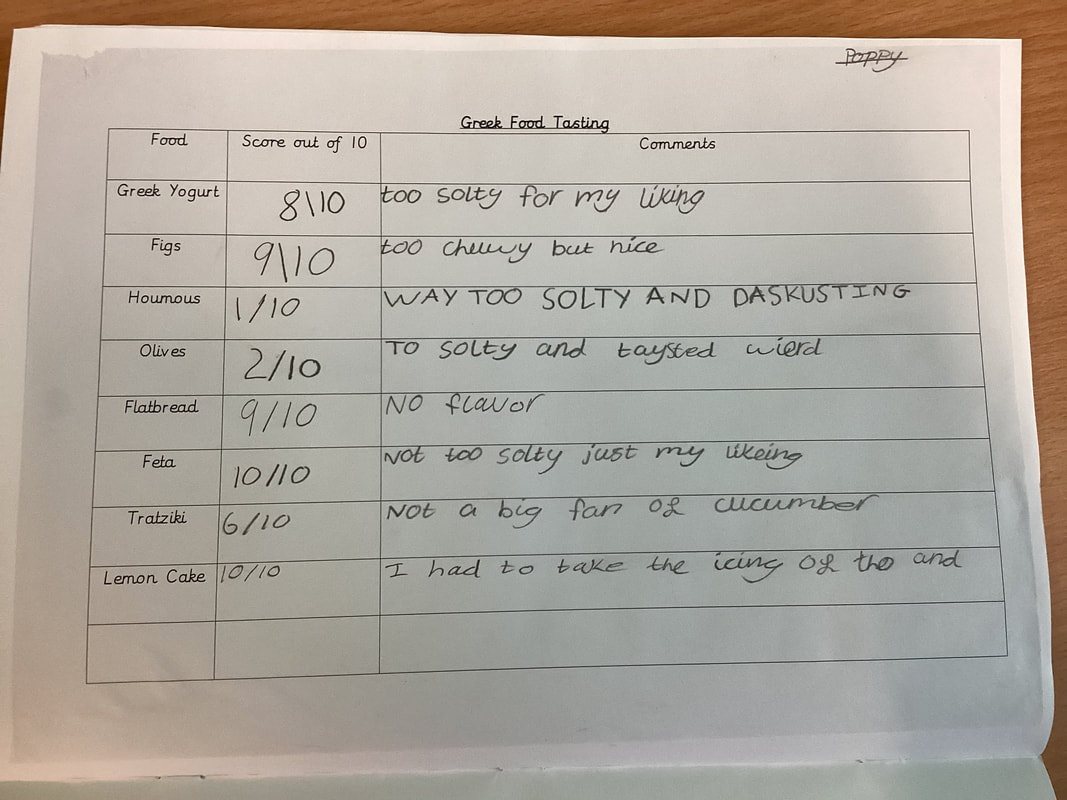
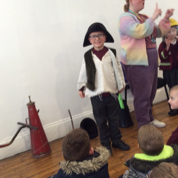
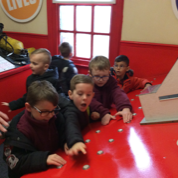
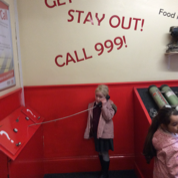
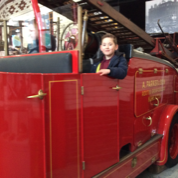
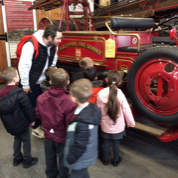
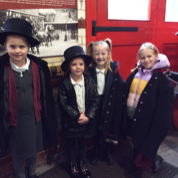
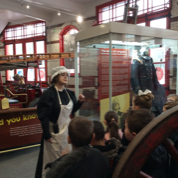
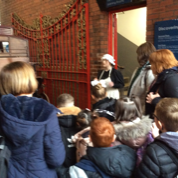
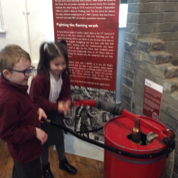
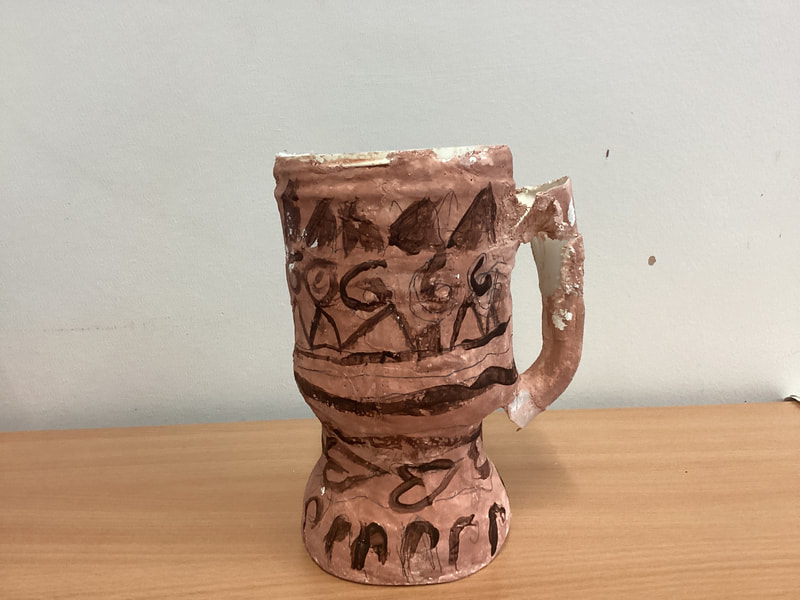
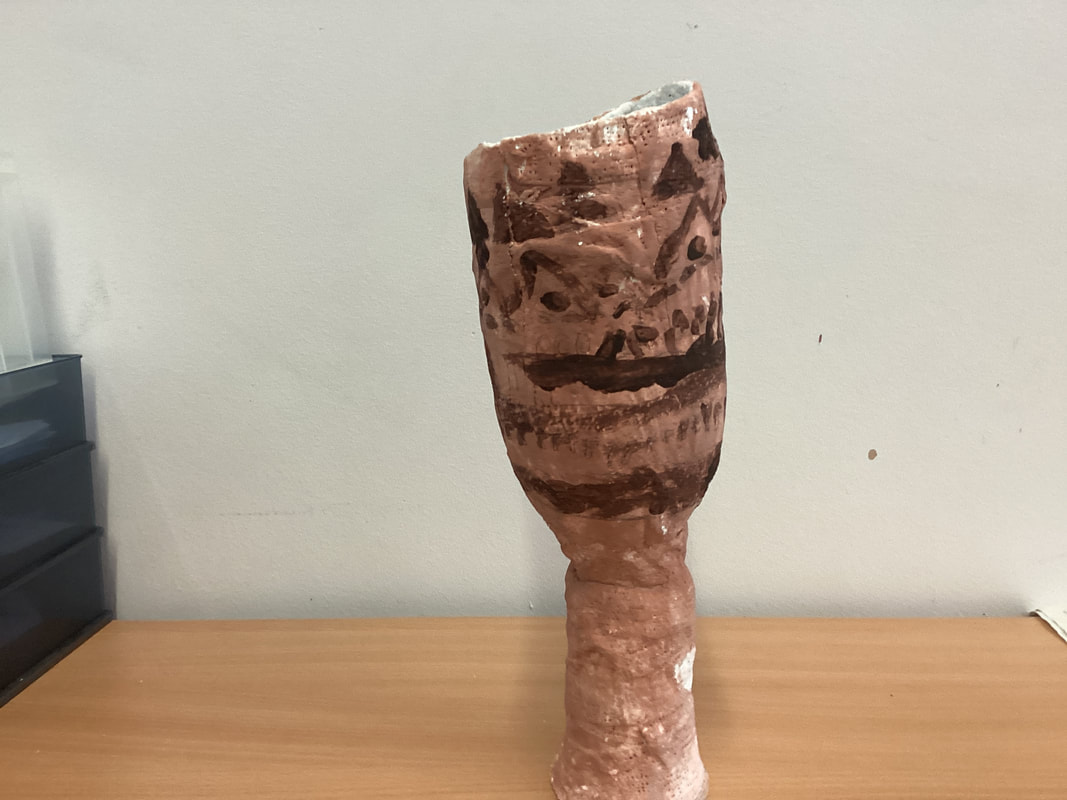
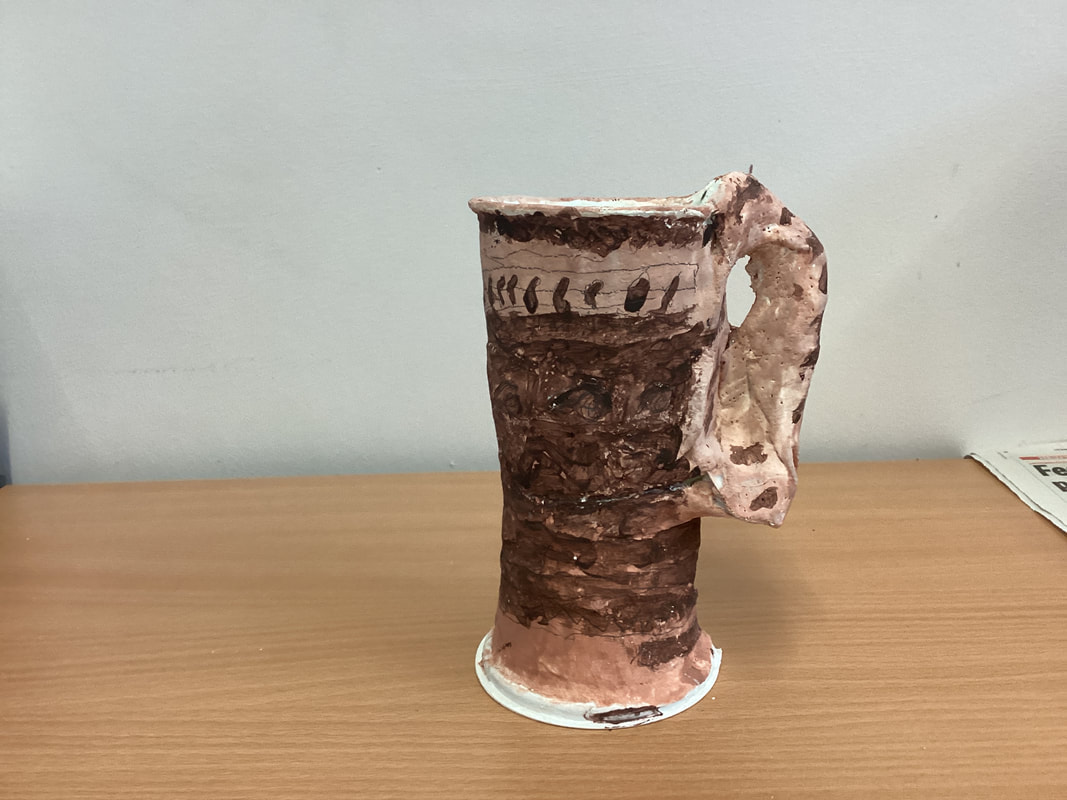
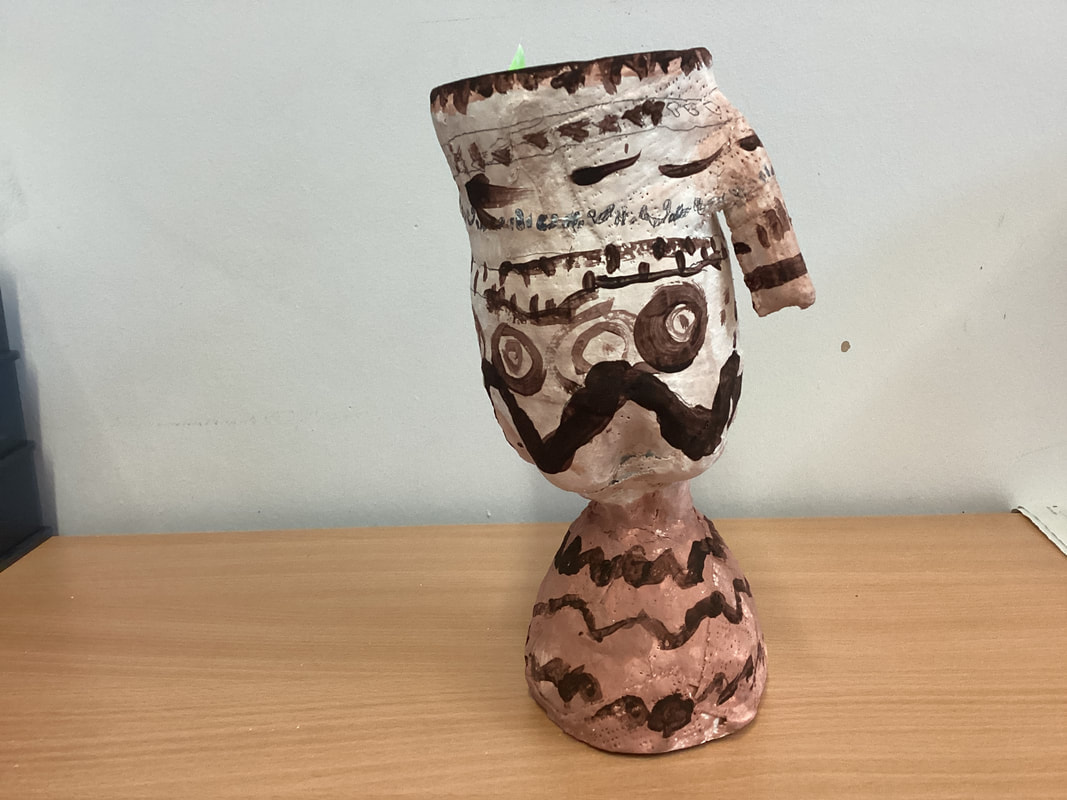
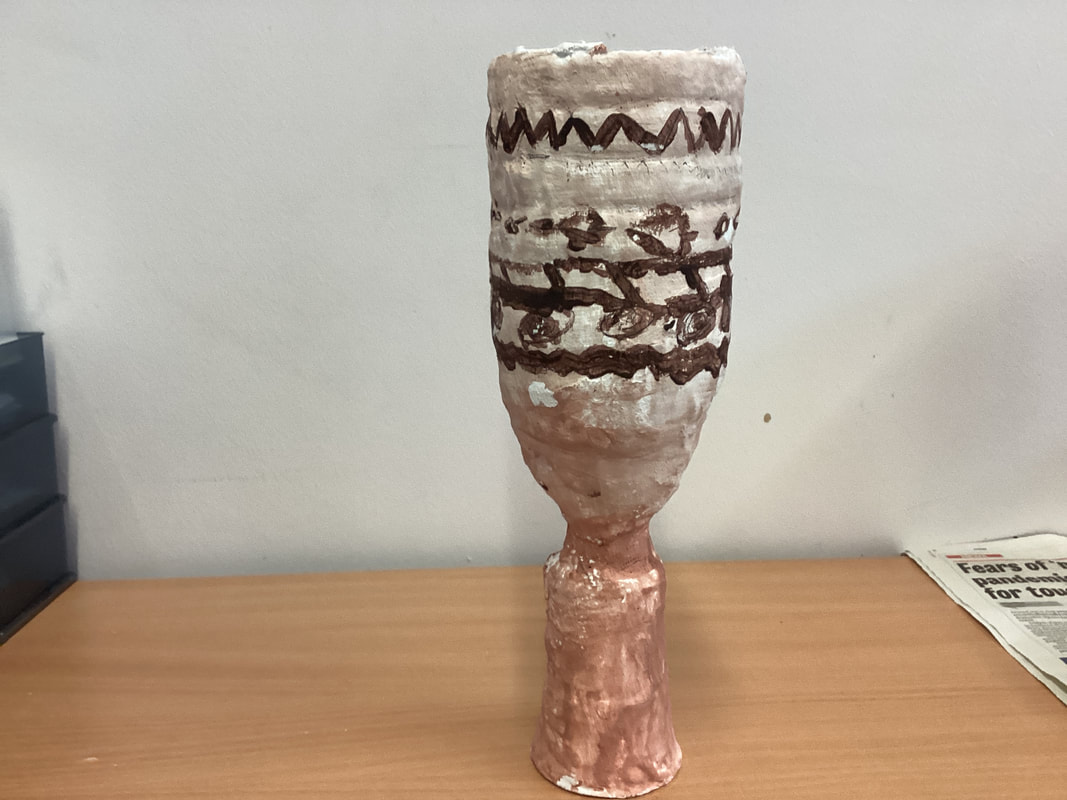
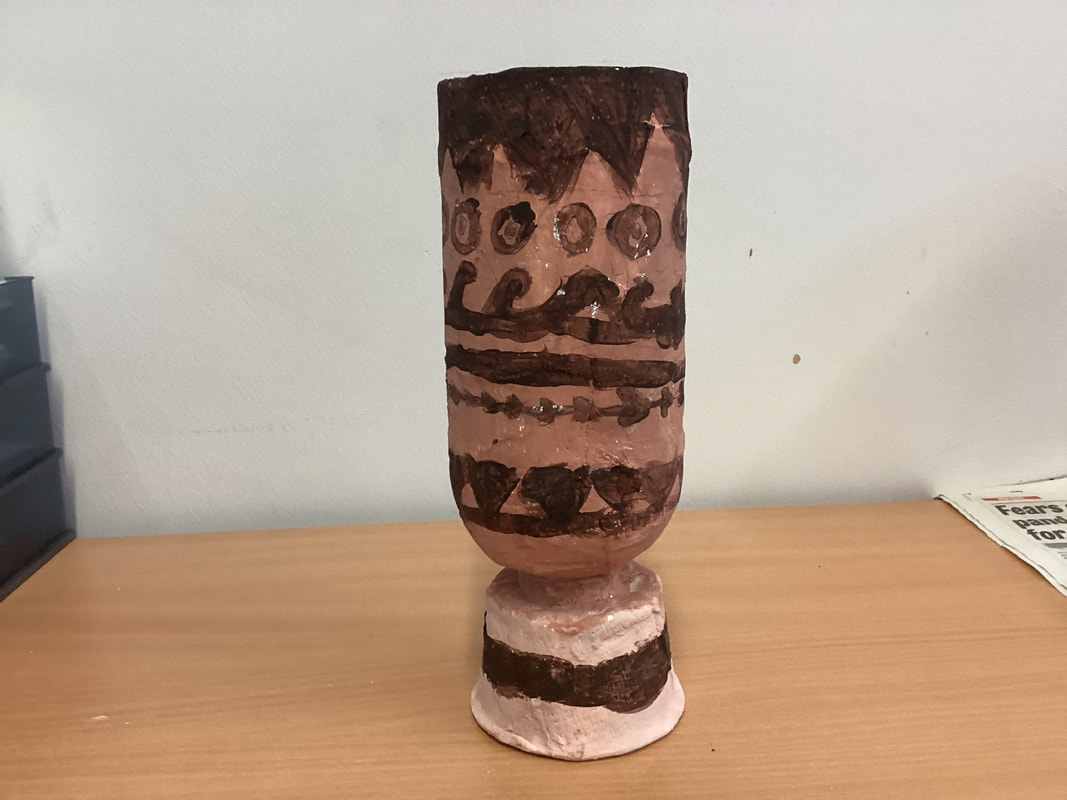
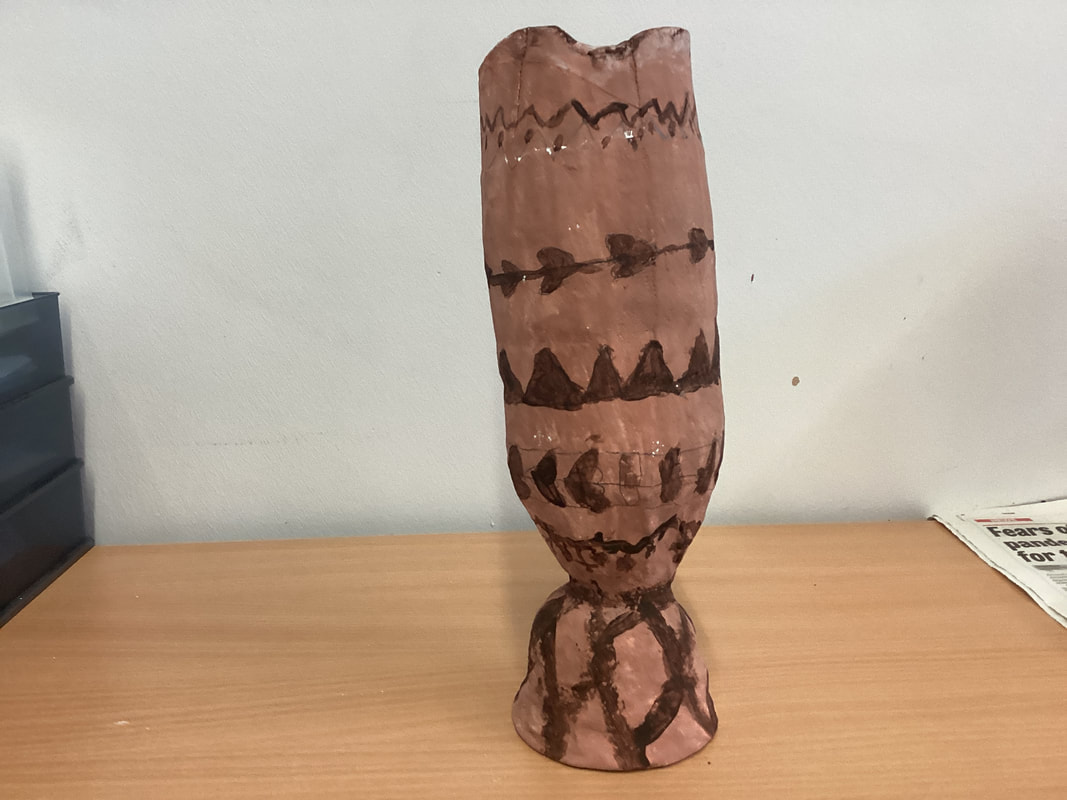
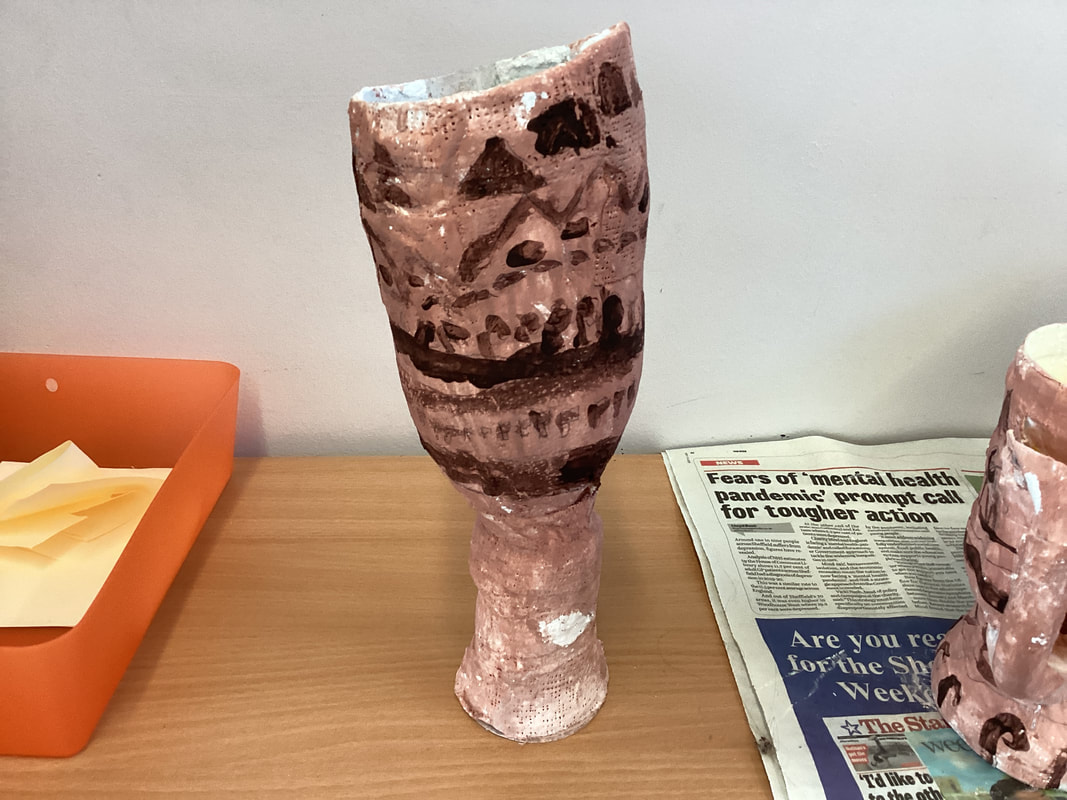
You may have read in another post that Rainbows have been learning about the past and have been exploring miners lamps. To support their understanding of how the world used to be and how it has changed over time they read the book "In the Toy Museum" by David Lucas. The story is about lots of old toys who wake up at night and hide from their friend. They talked about toys that the children have now, and discussed toys they had a long time ago. The children were able to play with some toys from the past during provision time and loved trying something new! Here you can see them having fun and persevering with some new things! Rainbows have had another historical object to explore this week; a miners lamp. They identified that it was made from metal and glass and we talked about how it was much safer than using a candle on their helmet. They have been using the words "A long time ago" and "the past" to help us explain about history. The Rainbows were very interested in the topic of mining, which of course is so important within our community. They looked at some photos of coal mining and talked about the process including the use of pit ponies and how children had to help in the mine! Some of the children did some independent writing about the miners lamp and mining as they found it very interesting. In Early Years children learn about changes over time as a building block to history in KS1 and beyond. An earlier post on the blog details the children looking at some caterpillars that were delivered into Nursery. We now have an update a couple of weeks later... The children have loved watching the growth of our caterpillars this week and there has been so much language and talk while observing closely. They cannot believe how much they have grown throughout the week and today they noticed that some of them have moved onto the lid and begun to hang down. "I think they are getting ready to spin their cocoon" said one of the Shooting Stars! They cannot wait to see what has happened after the weekend! 1st March - In History, Team EO have continued our learning on the Great Fire of London. This week they have been ordering the events of the fire. They know that the fire started in a bakery shop on Pudding Lane as the oven fire wasn’t put out correctly and a spark fell onto the wooden floor. They know that it spread because the houses were close together, made out of wood and that it was windy! They also discussed the effect the fire had on London – like houses being built out of different materials and further apart! 15th March - In History, Team EO have explained about how they know about the Great Fire of London. They discussed the different sources of information and know that cameras were not invented in 1666. They identified sources which are most and least helpful such as dairy entries and paintings or coins. 12th April - In History, They have looked at the changes that were made in London after the fire. They know streets were made wider, houses were built further apart and that they were made out of brick. 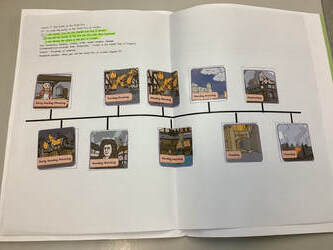 Nursery have been learning about changes over time, an important skill and building block for history. On Monday, Shooting Stars had a delivery of 5 live caterpillars which they are hoping to look after and watch them grow into butterflies! They looked very carefully at them and noticed that they were very tiny and very still! During the week, they kept watching them and they cannot believe how much they have grown already! Shooting Stars have also noticed that they are eating the food in the bottom of the pot and are now doing lots of moving around too! They are looking forward to checking on their progress after the weekend. Rainbows have been exploring an object from the past. They began by guessing what the object could be. There were some really good examples including a coffee pot, kettle, lamp and a teapot. There were some really interesting comments from the children including "This is old" and "it's old because it is dirty." They learnt the word "tarnished" and discussed what material the teapot is made from. The Rainbows passed it around the circle and said that it felt warm so they also discussed that metal can heat up when touched by people as their body heat does this. They discussed how the teapot looks different to some teapots today and named the legs, feet, handle, lid and spout. They also discussed how before teabags were introduced, loose tea was used and it used to take longer to boil water without an electric kettle. Here they are exploring the teapot! Team JD had a jam packed day experiencing how the Ancient Greeks lived. They looked at Ancient Greek puzzles and designed their own Greek shields using the laptops to research designs and implement them to their shields. They investigated the Greek flag, spent the afternoon food tasting and doing their very own Greek Olympics! They created a taster table and marked each food out of ten. They got to try eight different Greek foods such as, olives, figs and feta cheese. Looking at their photos they weren't very sure of some of the food they tried! Team JD really enjoyed dressing up and spending the day doing lots of exciting learning. This week Team CH had the most amazing time at the National Emergency Museum. They have learned so much about the Great Fire of London and really enjoyed travelling through history. Thank you to their special people for making this visit possible! Here they are in action, getting to see everything they have been learning about over their history topic this term. Well here they are! Team JD's magnificent Greek pots! They are super proud and impressed with how they have turned out! They really enjoyed planning and creating these master pieces! Their beautiful geometric patterns they had researched and practised previously were added and aren't they amazing! |
Subject LeadMiss C Clementson and Mrs S Allen Archives
June 2024
Categories |
 RSS Feed
Location
|
Contact UsMailing address:
Wombwell Park Street Primary School, Park Street, Barnsley, S73 0HS Telephone: 01226 752029 Email: [email protected] General Enquiries: Our Admin Team will be happy to assist you with any enquiries and direct you to the relevant staff as necessary. Our Leadership team will always be happy to help, as will our Parent Support Advisor Mrs Carol Mason. If you require a paper copy of any of the information found on our website we will be happy to provide you with this free of charge upon request, Please contact a member of our office staff who will be more than willing to help. ECM Trust: http://www.ecmtrust.org/index.html |